Last updated October 30, 2026
 House lockouts
 Re-keying
 Deadbolt upgrades
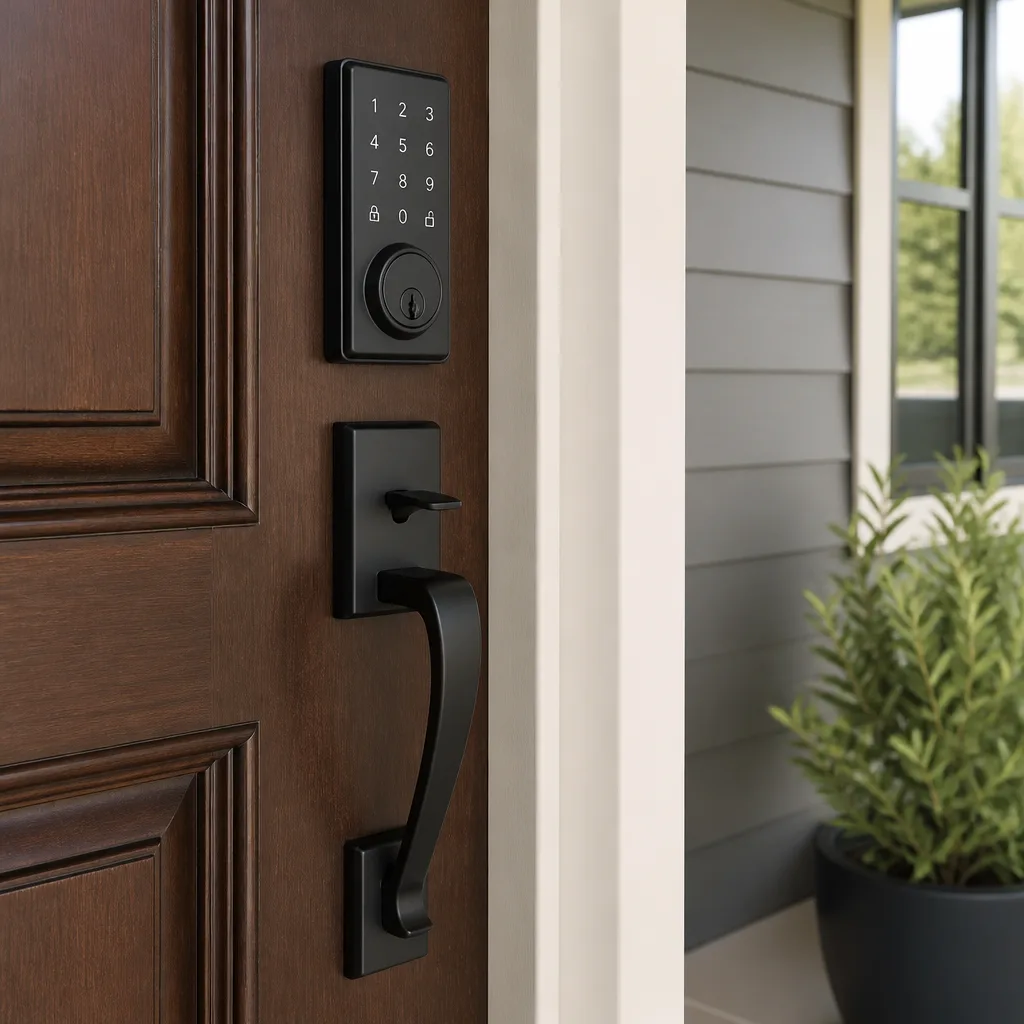 Smart locks
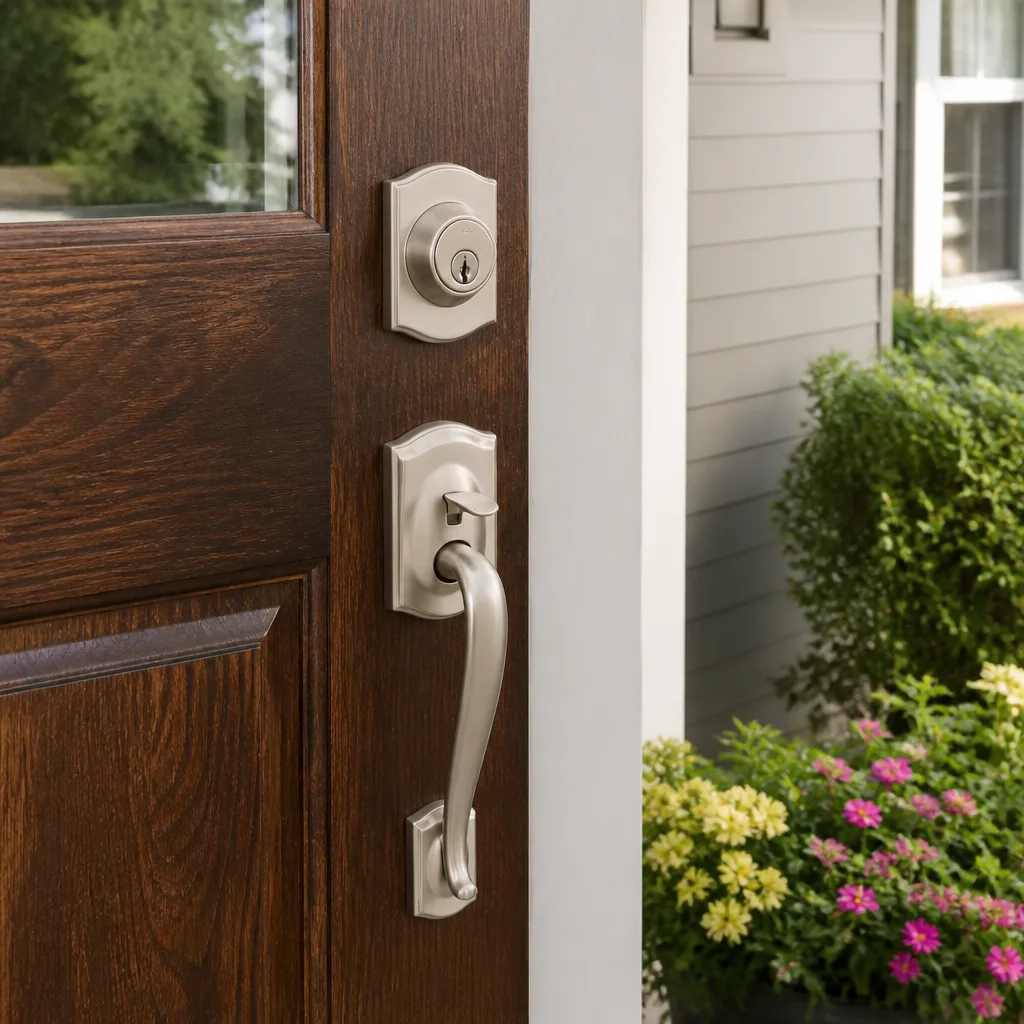 Schlage
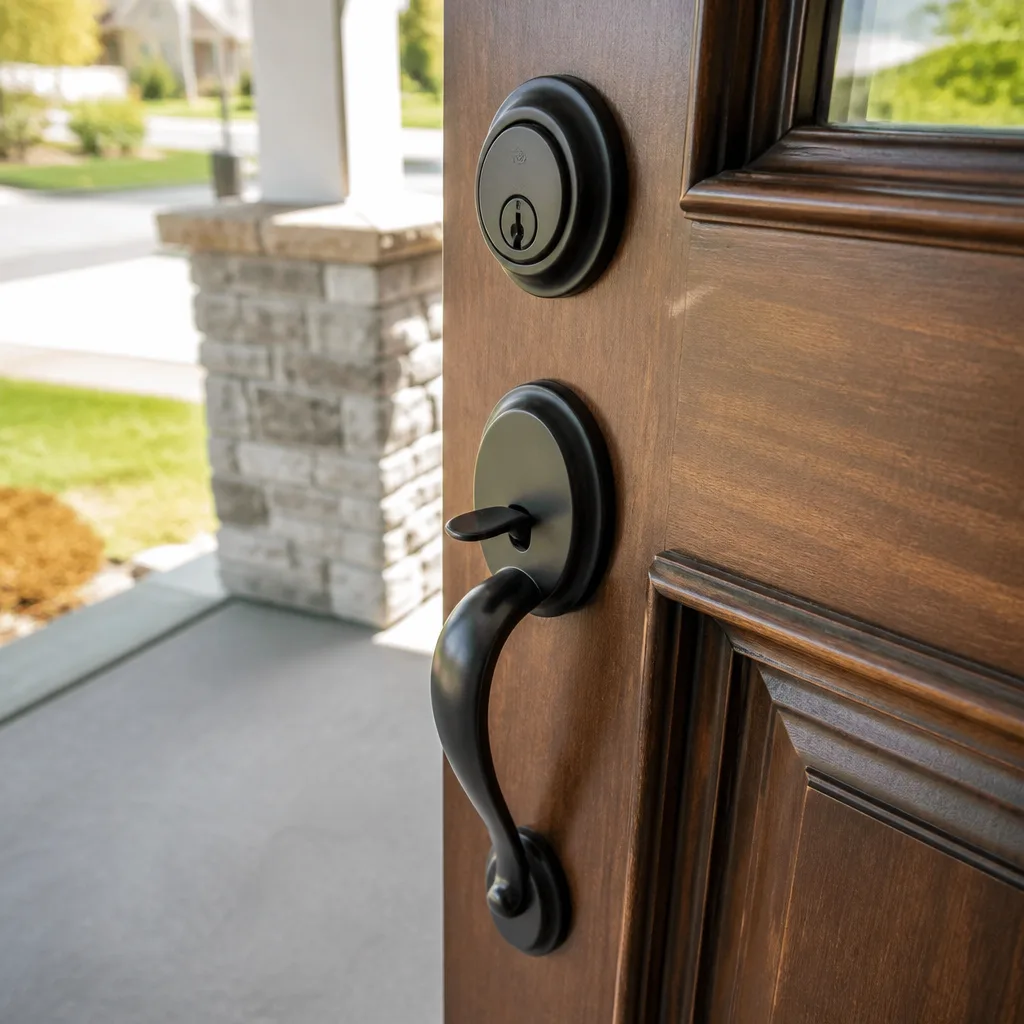 Kwikset
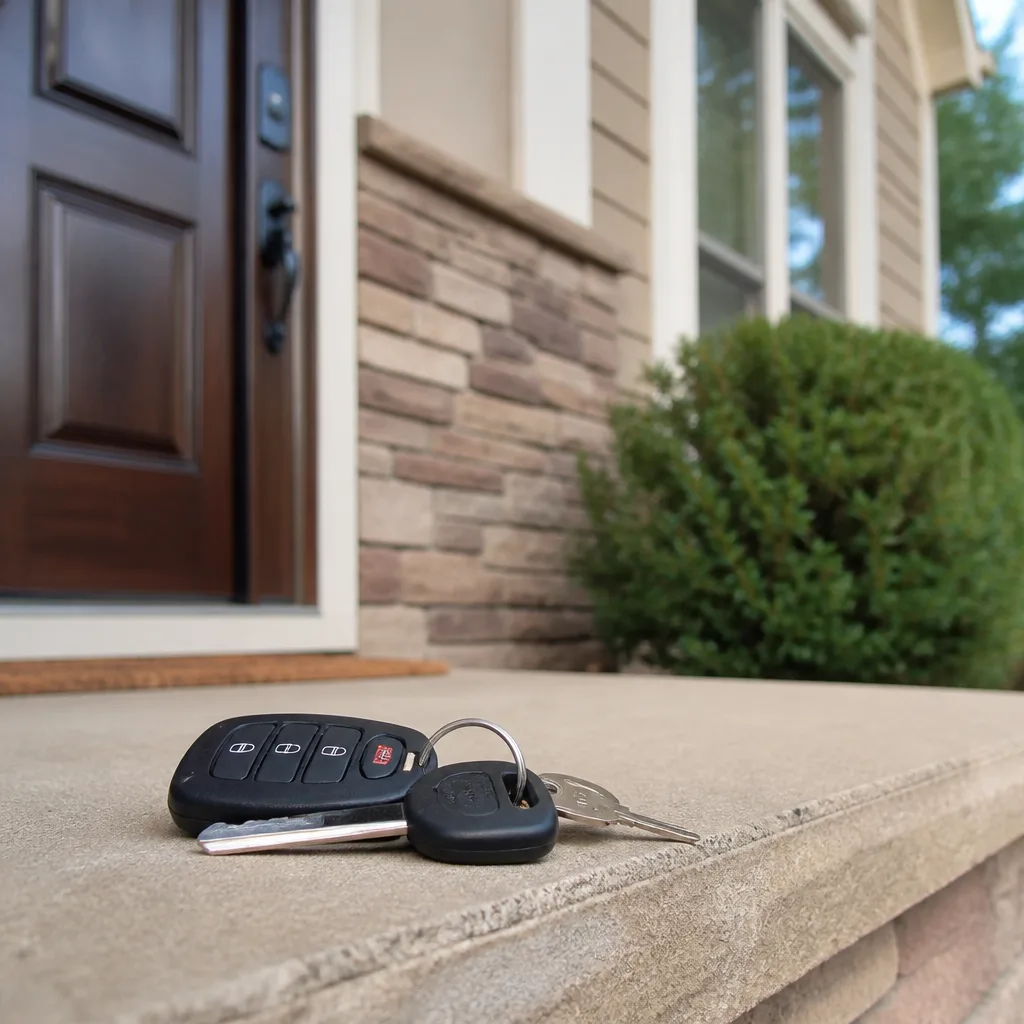 Car keys & fobs
Non-destructive entry first, always - and we re-key Schlage, Kwikset, and Baldwin locks on the spot while you watch
You get a price before we start. It does not change when we arrive. No surprises.
Get your free estimateCar Key Replacement Maintenance Checklist for Bellevue Homeowners
A replacement key fob for many 2020+ vehicles now runs between $200 and $500 once programming labor is factored in. What most Bellevue drivers don’t realize is that the majority of those failures follow predictable patterns that surface weeks or months before the key actually dies. This guide covers the maintenance windows, moisture problems specific to the Pacific Northwest, and the spare-key strategy that can cut your eventual replacement cost in half, with links to more guides & resources.
Quick Answer
A car key maintenance routine for Bellevue homeowners comes down to four habits: replace fob batteries every 18 to 24 months on a schedule rather than waiting for symptoms, keep one spare transponder key programmed and stored indoors, protect fobs from PNW moisture with a simple desiccant routine, and know which key type your vehicle uses so you can compare locksmith programming rates against dealership pricing before an emergency forces the decision (see our Choosing the Right Locksmith Brand: A Buyer’s Guide for Bellevue).
Styles & brands we work with
Table of Contents
- Know Which Key Type Your Vehicle Uses
- Battery Replacement Schedules by Fob Type
- Why Pacific Northwest Moisture Kills Key Fobs
- The Spare Key Strategy That Saves Bellevue Drivers Hundreds
- Locksmith-Programmed vs. Dealer-Programmed Keys in Bellevue
- What a Lost Key Situation Actually Requires, Step by Step
- The Annual Car Key Maintenance Checklist
Know Which Key Type Your Vehicle Uses
Before any maintenance plan makes sense, you need to know what kind of key your car actually takes. Bellevue drivers run everything from 2005 sedans with basic transponder chips to 2024 SUVs with proximity fobs and push-button start. The maintenance needs are different for each, and so is the replacement cost.
In our experience, most Bellevue homeowners fall into one of these four categories:
- Basic mechanical key – no chip, no remote. Found on older vehicles, usually pre-1998. Replacement cost is minimal: a few dollars to cut. No programming needed.
- Transponder key – a mechanical key with an embedded RFID chip that the vehicle’s immobilizer must recognize before the engine starts. Found on most vehicles from roughly 1998 to 2010. Replacement typically runs $120 to $250 programmed, depending on vehicle make.
- Remote-head key – combines a transponder chip with remote lock/unlock buttons in a single plastic head. Common from about 2010 onward for many brands. Replacement ranges from $180 to $350 programmed.
- Proximity fob / smart key – no physical key blade needed for starting. The fob communicates with the vehicle when it’s nearby. Found on most 2020+ models with push-button start. Replacement carries the highest cost: $200 to $500 or more programmed, depending on brand and whether you go through a locksmith or a dealership.
Here’s the maintenance angle most write-ups skip: each of these has a different failure profile. Transponder chips rarely fail on their own; the mechanical blade wears down, or the chip loses sync after a battery disconnect. Remote-head keys tend to fail in the button membrane first. Proximity fobs fail most often from battery drain caused by constant low-level signal broadcasting, not from any defect in the key itself.
Write down your key type somewhere you’ll remember. When you call a locksmith in Bellevue for programming, knowing whether you have a transponder chip or a proximity fob determines which tooling is required, and it changes the quote meaningfully.
Battery Replacement Schedules by Fob Type
The single most common Car Key Replacement call we get in Bellevue turns out to be a dead battery, not a dead key. A weak fob battery produces symptoms that mimic key failure: intermittent unlocking, a vehicle that only starts when the fob is held against the start button, or a dashboard message reading “key not detected.” Replacing the battery proactively eliminates most of these false alarms.
Here are the replacement intervals we recommend based on fob type:
- Standard remote-head key with buttons – replace the battery every 2 years. These use a CR2032 or CR2025 coin cell that costs under $5. Symptoms of a low battery: you have to press unlock twice, range drops to under 20 feet, or the panic button works but unlock doesn’t.
- Proximity fob / smart key – replace every 18 to 24 months, even if it still seems to work. Proximity fobs broadcast a signal continuously when near the vehicle, which drains the battery faster than a button-only remote that only transmits when pressed. A fading proximity fob battery is the top cause of “why won’t my car detect the key” complaints in Bellevue parking garages and driveways alike.
- Aftermarket or replacement fobs – replace batteries every 12 to 18 months. Aftermarket fobs often use lower-draw circuits that drain batteries unevenly, and some draw slightly more current in standby mode than OEM fobs.
- Spare keys in storage – replace batteries every 3 years regardless of usage. Coin cells self-discharge slowly even when the fob sits in a drawer. A spare key with a dead battery is nearly as bad as no spare key at all when you need it on a rainy Bellevue morning.
Battery replacement is a five-minute job you can do at the kitchen table. If you’re replacing the battery yourself, note the orientation of the old cell before removing it, and make sure the new one seats firmly against the contacts. A loose contact produces the same symptoms as a dead battery. If the fob requires a specialty security screwdriver bit (some European vehicles do), a quick stop at any Bellevue hardware store or a call to us will sort it out (our Car Key Replacement Troubleshooting: Common Problems and How to Fix Them covers other common DIY fixes).
Why Pacific Northwest Moisture Kills Key Fobs
Bellevue’s climate deserves its own section in any car key maintenance guide. The city averages 155 rainy days a year, and ambient humidity runs high from October through May. That moisture works its way into key fobs in ways most drivers don’t think about until the key dies mid-November.
What actually happens is this: a key fob’s circuit board is coated, but it is not sealed. Repeated temperature swings – cold garage to warm pocket to cold walk to the car – create condensation on the inside of the fob shell. Over months, that moisture corrodes the solder joints on the circuit board and degrades the button membrane contacts. The failure mode is usually gradual: buttons become less responsive, then the key stops working entirely. When we open failed fobs from Bellevue drivers, the corrosion pattern is unmistakable.
Practical steps that genuinely help:
- Store spare keys indoors in a climate-controlled space, not in the garage. Garages in Bellevue swing ten to fifteen degrees between night and day during shoulder seasons. That cycle is a condensation engine.
- Use a small airtight container with a silica gel packet for any spare fob. Replace the packet every six months. This costs about four dollars and extends the internal life of a spare fob dramatically.
- Never leave a key fob on a windowsill, in a cup holder overnight, or in a damp jacket pocket that hangs in the entryway. The coat hook near a Bellevue front door is usually the most humid spot in the house during winter.
- If a fob gets dropped in water or run through the laundry, remove the battery immediately and place the fob in a sealed container of uncooked rice or silica gel for 48 hours before reinserting the battery. Do not press buttons while it’s still wet; that pushes moisture deeper into the switch contacts.
One Bellevue-specific tip worth remembering: if your key fob sits in a center console while you commute across the 520 bridge and back, the microclimate inside that console traps moisture far more than a jacket pocket does. Stow the fob on your person, not in the car, when possible.
The Spare Key Strategy That Saves Bellevue Drivers Hundreds
Here’s the math most drivers don’t run until it’s too late. Programming a spare key for a vehicle that already has at least one working key costs roughly half what a lost-key replacement costs. The reason is straightforward: with one working key, a locksmith can use onboard programming procedures for many vehicles. With zero working keys, the locksmith or dealer must perform a more involved immobilizer reset, which requires deeper diagnostic equipment and more labor time.
In concrete terms: a planned spare transponder key for a 2016 sedan might cost $120 to $180 programmed. The same key ordered in a lost-key emergency, with the vehicle immobilized in a Bellevue parking lot, can run $250 to $400 by the time you factor in the reset procedure, onsite service, and urgency. Proximity fobs, the gap is wider still: $200 to $300 planned versus $400 to $500 or more in an emergency, at dealership rates especially.
There’s a second layer to the spare-key argument that Bellevue homeowners consistently overlook: a spare key eliminates the “rekey versus replace” decision entirely when one key is lost. If you lose your only key, you’re not just ordering a new key – you’re deciding whether to have the vehicle’s immobilizer system recoded so the lost key won’t start the car if it’s found. With a spare key in a drawer, you can choose to simply program a replacement and move on. Without one, security-minded drivers often pay for a full immobilizer reflash, which adds $100 to $200 to the job.
Get the spare key before you lose the primary. Ten minutes of planning beats an afternoon parked at the dealership’s service intake desk.
Locksmith-Programmed vs. Dealer-Programmed Keys in Bellevue
This is the comparison every Bellevue driver should understand before the first cold morning their car won’t recognize the key they’re holding. Both a qualified automotive locksmith and a franchised dealership can program a replacement transponder key or proximity fob for your vehicle. The difference comes down to three things: cost, wait time, and convenience.
Cost. A Bellevue-area dealership typically quotes $300 to $600 for a proximity fob replacement, including parts, programming labor, and the standard dealer markup. An automotive locksmith with transponder programming equipment typically quotes $180 to $400 for the same vehicle, depending on make and fob type. The price gap exists because dealerships are parts-and-labor businesses that amortize specialized factory tooling across a low daily volume of key jobs, while a locksmith running mobile programming equipment handles key work more frequently and prices it as a core service.
Wait time. Dealerships book key programming by service appointment and usually require the vehicle on-site, which means towing if the key is lost. A mobile locksmith comes to the vehicle in Bellevue, whether it’s in a driveway, a downtown parking structure, or a side street near Crossroads. For a planned spare key, the difference is an hour versus half a day. For an emergency replacement with the vehicle immobilized, it’s mobile service versus a tow truck.
Compatibility. One misconception worth clearing up: locksmith-programmed keys are not “generic” in any functional sense. The key is either the correct OEM or compatible aftermarket key for your vehicle, and the programming procedure writes your vehicle’s unique immobilizer data to it. The key will start the car, unlock the doors, and perform every function. The dealership’s advantage is narrower: factory key fobs for very new models (especially 2023+) sometimes require programming codes that only the dealer’s connected tooling can retrieve. In those cases, a dealer is the only option until aftermarket programming support catches up to that model year. A competent locksmith will tell you upfront whether your specific vehicle falls into that window.
For Bellevue drivers with vehicles older than two or three model years, the locksmith route is almost always faster and cheaper with no functional difference. We recommend checking both options with a simple phone call before you’re stranded.
What a Lost Key Situation Actually Requires, Step by Step
Most people only think through a lost car key when it happens. Here’s the full sequence so you know what to expect and where each decision point sits. This applies whether you’re parked at Bellevue Square, at home in Lake Hills, or anywhere in between.
- Confirm the key is genuinely lost, not just out of range. Check the spot you were in, check coat pockets, check the trunk lid, check the ignition if you have a physical key. A key left in an unusual spot is a thirty-minute headache, not a key replacement job.
- Determine what key type you’re replacing and whether you have a spare. If you have a spare at home, you can retrieve it and drive normally; the replacement of the lost key becomes a planned job rather than an emergency. If you have no spare, proceed to the next step.
- Call a locksmith and describe your vehicle precisely. Year, make, model, and whether it has a keyed ignition or push-button start. A competent Bellevue locksmith will quote a firm price range for the key plus programming before dispatching. Ask whether the quote includes the immobilizer reset procedure, which is required when no working key exists.
- Decide whether to rekey or replace the immobilizer coding. If you lost the key somewhere you can identify (a restaurant, the gym, a specific trailhead), you may be comfortable with a simple replacement. If the key was lost in a place where someone could associate it with your vehicle, many Bellevue drivers choose to have the vehicle’s immobilizer recoded so the lost key is rendered useless. This adds cost but prevents the unpleasant situation of your car being stolen with the very key you lost.
- Get the new key cut, programmed, and verified on-site. The locksmith should cut the mechanical blade (if applicable), program the transponder or fob, and verify that the vehicle starts with the new key and that all remote functions work. A good technician tests the key in the ignition multiple times, not just once.
- Order a second spare immediately, or schedule it within the week. This sounds counterintuitive right after paying for a replacement. But a vehicle with one working key is one lost-key away from another emergency. Ordering the second key now, while you understand the cost and the process is fresh, closes the loop permanently.
The full lost-key sequence, including mobile service in Bellevue, typically takes one to two hours from first call to vehicle running. It is not a half-day affair, and it should not require a tow truck unless the vehicle is in a secured location where service cannot be performed.
The Annual Car Key Maintenance Checklist
Here’s the actionable core of this guide. Set a calendar reminder once a year, spend ten minutes, and you’ll catch most key failures before they strand you. We recommend doing this every October, before the wet season sets the PNW moisture cycle into full swing.
- Check battery age on all keys. If it’s been more than 18 months for a daily-use fob or 24 months for a button remote, replace the battery. Mark the date on a small piece of tape inside the fob shell or note it in your phone.
- Test the spare key. Take the spare out of storage, unlock the vehicle, start the engine. This is the most-missed maintenance item we see. A spare that hasn’t been tested in three years is a spare you don’t actually have.
- Test remote range. Stand 30 feet from the vehicle and press unlock. If the fob doesn’t respond at that distance, the battery is fading or the antenna in the fob is compromised. Both are fixable before total failure.
- Inspect the key blade for wear. For physical keys, examine the cuts in the blade. A worn key will feel loose in the ignition and may eventually fail to turn the lock cylinder. Replace a worn key before it breaks off.
- Inspect fob housing. Check for hairline cracks, loose button membranes, or a shell that’s separating. Moisture enters through these openings. If your fob is held together with tape, it’s time for a proper replacement shell.
- Check that your spare is stored properly. Indoors, climate-controlled, in a sealed container with fresh desiccant. Not in the garage. Not in the car itself (a spare key stored in a car is stolen with the car, and it exposes the key to full PNW humidity cycles).
- Verify current pricing for your key type. Call a locksmith and ask for a ballpark price for a spare key for your specific vehicle. Lock in that number while you don’t need the key. In an emergency, you’re calling from a less advantageous position.
Ten minutes, once a year, saves Bellevue drivers an average of $200 to $400 in emergency replacement costs and a great deal of standing in a parking lot in the rain.
Common Mistakes to Avoid
- Waiting until the key dies to replace the battery. A dead battery is the most preventable cause of a “key replacement” call in Bellevue. Symptoms show up weeks in advance. Scheduled replacement prevents the failure entirely.
- Storing the spare key in the vehicle. A spare key in the glovebox is a spare that disappears when the car is stolen. It also sits through daily PNW temperature and humidity swings, accelerating internal degradation. Store spares indoors, sealed.
- Assuming the dealership is the only option. Bellevue has multiple mobile automotive locksmiths equipped for vehicle programming. For most makes and model years, locksmith programming costs 30% to 50% less than dealer pricing with no functional difference in the key.
- Only having one key. A single key means every key-related failure is an emergency. A spare key converts every future key problem into a planned expense.
- Replacing the fob shell without transferring the chip. If your fob housing cracks, the fix is a replacement shell, not a complete new key. But the transponder chip from the old fob must be transferred into the new shell. Skip that step and the new shell will unlock the doors but never start the car.
- Ignoring a key that only works intermittently. Intermittent function is not a quirk. It’s a warning sign that the chip, battery, or circuit board is failing. A key that works 70% of the time is a key that will fail at the worst possible moment.
- Paying for a tow before calling a locksmith. If the key is lost, dead, or damaged, a mobile locksmith can often come to the vehicle and complete the job on-site. A tow to a dealership is usually the more expensive and slower path in Bellevue.
When to Call a Professional
A car key replacement is not a DIY project. Programming a transponder key or proximity fob requires specialized diagnostic equipment and access to programming procedures specific to your vehicle’s make and model. Attempting to program a key without the right tooling can lock the immobilizer system and turn a $200 job into a more involved reset. Call a professional when you need a key cut and programmed, when the key is lost and no spare exists, when a fob has been water-damaged, or when the vehicle won’t start despite a fresh battery in the fob. Belmont Lock & Key offers free estimates in Bellevue – call (855) 473-2502.
Frequently Asked Questions
Car key replacement in Bellevue typically ranges from $120 to $500 depending on key type, vehicle make, and whether a working key exists. Basic transponder keys run $120 to $250, remote-head keys $180 to $350, and proximity fobs $200 to $500. Planned spare keys cost roughly half what lost-key emergency replacements cost. Call (855) 473-2502 for an exact quote for your vehicle – estimates are free.
Yes, a qualified automotive locksmith in Bellevue can program transponder keys, remote-head keys, and proximity fobs for most vehicles on the road, including vehicles from the last ten to fifteen model years. Very new models may require dealer-level programming codes that aftermarket tooling doesn’t yet support. A locksmith will confirm compatibility before dispatching.
A “key not detected” message almost always means the fob battery is too weak to communicate with the vehicle’s receiver. Replace the fob battery first. If the problem persists with a fresh battery, the fob’s antenna or circuit board may be damaged, and a replacement fob programmed by a locksmith is the next step.
Call a mobile locksmith and describe your vehicle’s year, make, and model. The locksmith will quote a price for the replacement key including programming and the immobilizer reset that’s required when no working key exists. Mobile service comes to the vehicle, so no tow is needed in most Bellevue locations. Expect the job to take one to two hours.
Replace a proximity fob battery every 18 to 24 months and a standard remote-head key battery every 2 years. Spare keys in storage should receive new batteries every 3 years regardless of how often they’re used. Coin cell batteries self-discharge over time, and a spare key with a dead battery fails when you need it most.
Functionally, yes. A locksmith-programmed key performs every function of a dealer key: starting the vehicle, unlocking doors, triggering remotes. The mechanical blade and transponder chip are the same parts. The difference is cost and convenience: a locksmith in Bellevue typically charges 30% to 50% less and can complete the job at your location without a service appointment.
The Bottom Line
Car key replacement in Bellevue is a five-hundred-dollar problem that most drivers don’t think about until they’re standing in a parking lot with a dead fob and no spare. Ten minutes of annual maintenance, a scheduled battery swap, and one spare key stored properly indoors is the difference between a planned $150 expense and an emergency $400 bill on the worst possible day. Know your key type, know your battery schedule, store your spare key correctly, and compare locksmith versus dealer pricing before you’re forced into a decision. Then set a calendar reminder for next October and repeat.
Written by the team at Belmont Lock & Key, serving Bellevue since 2013. We service locks across the full spectrum – from Schlage and Kwikset to Medeco and Mul-T-Lock – and handle car key replacement, emergency lockouts, and rekeying for Bellevue homeowners and drivers.
If you need a car key replacement, a spare key programmed, or a rekey after moving into a new home in Bellevue, call (855) 473-2502. We quote the full price on the phone before anyone is dispatched – and that’s the price you pay. For emergency lockouts, Emergency Locksmith in Bellevue service brings the right tools to your location. For planned spare keys, Car Key Replacement in Bellevue covers key types and programming details. If you’ve recently bought a home in Bellevue and want the locks matched to one key, Rekey Locks in Bellevue is the trust-first option – and for the full range of what we do, start at the Belmont Lock & Key home page.