Last updated October 30, 2026
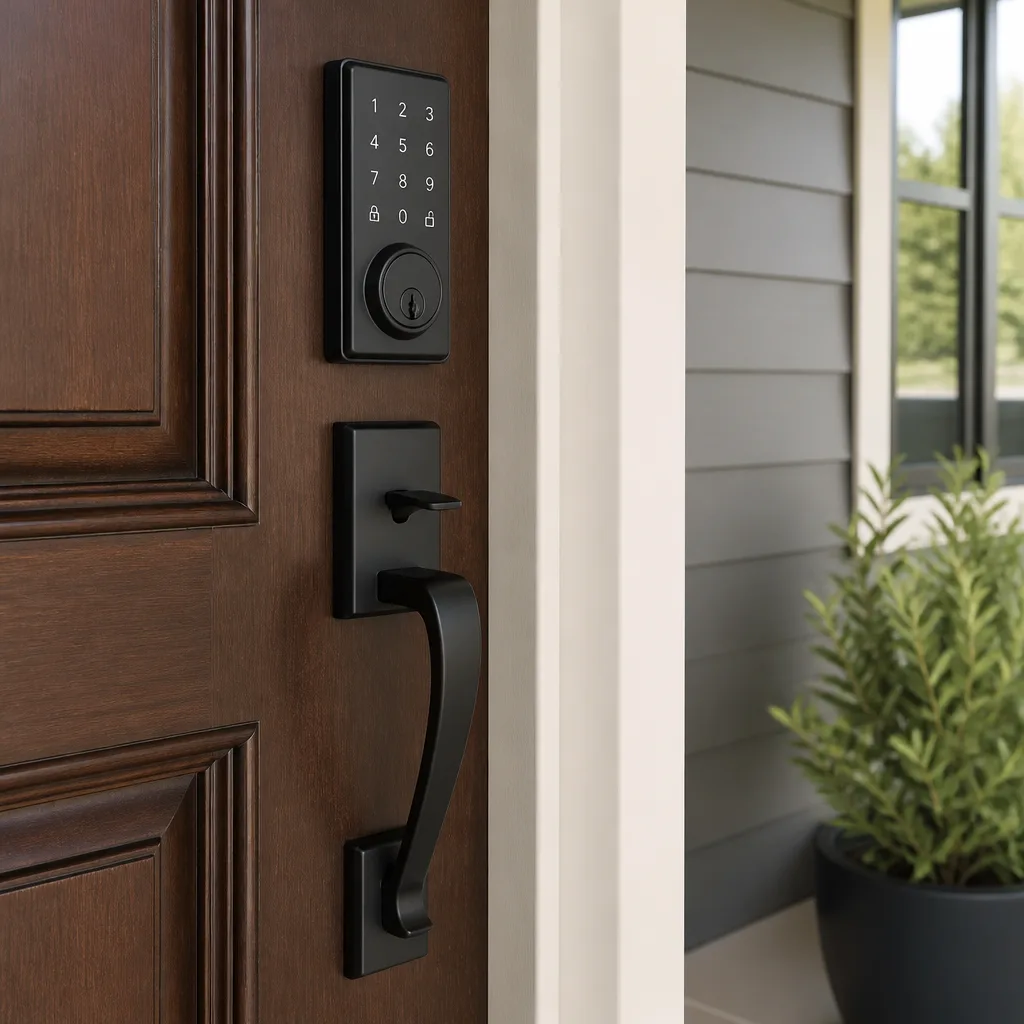 Smart locks
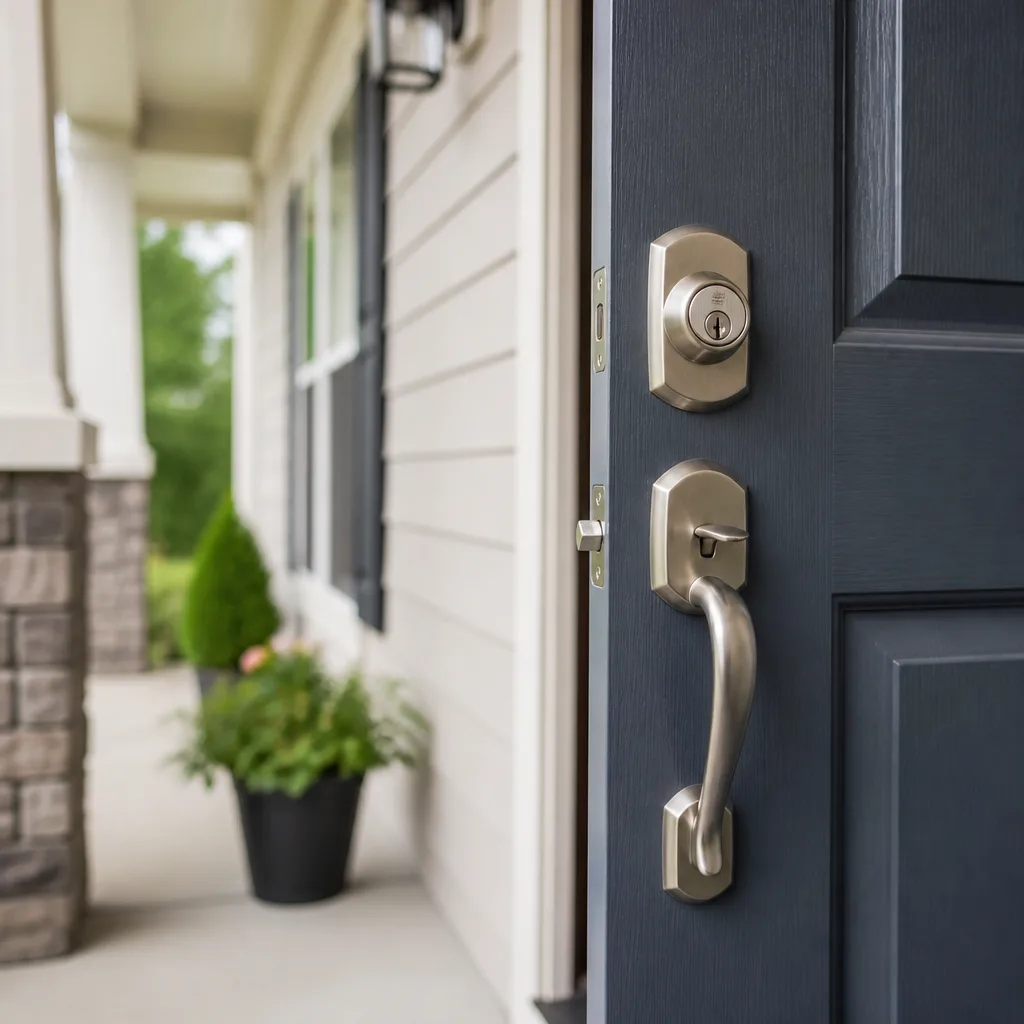 House lockouts
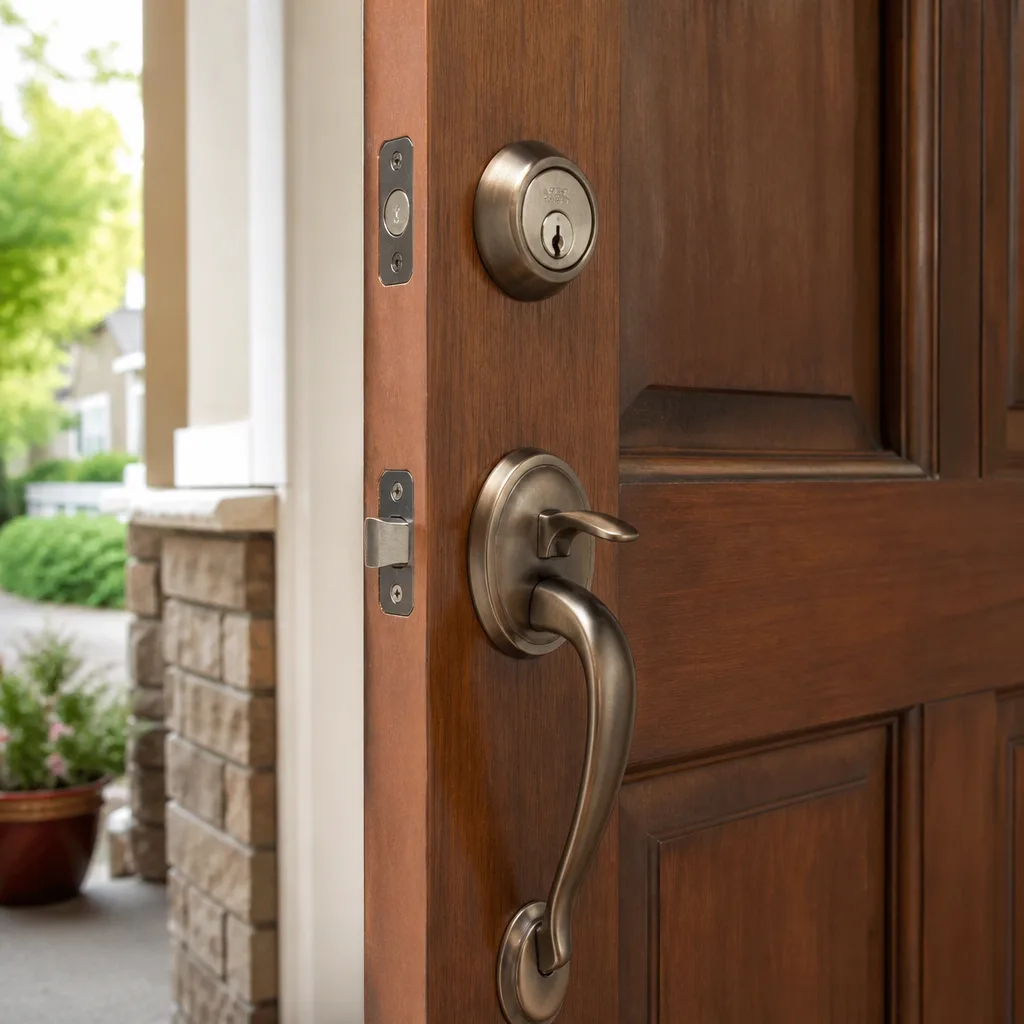 Re-keying
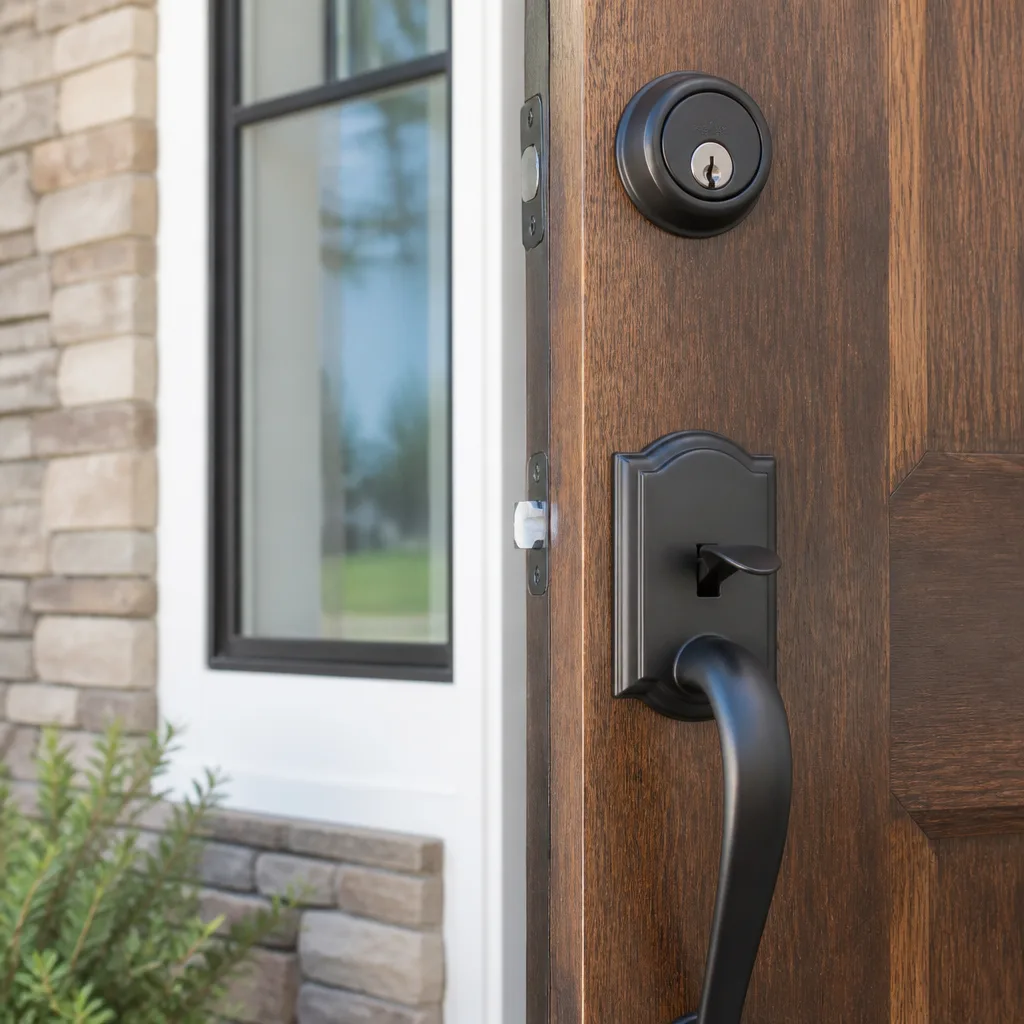 Deadbolt upgrades
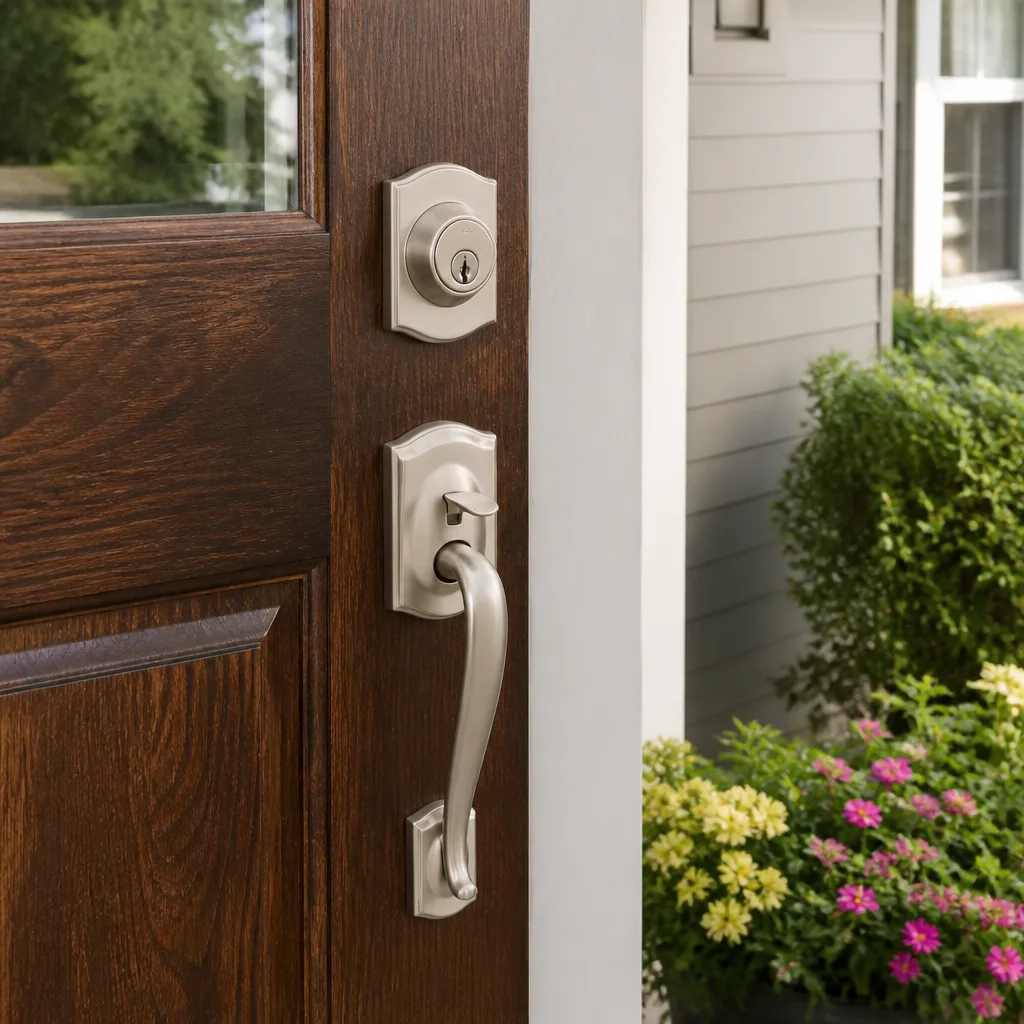 Schlage
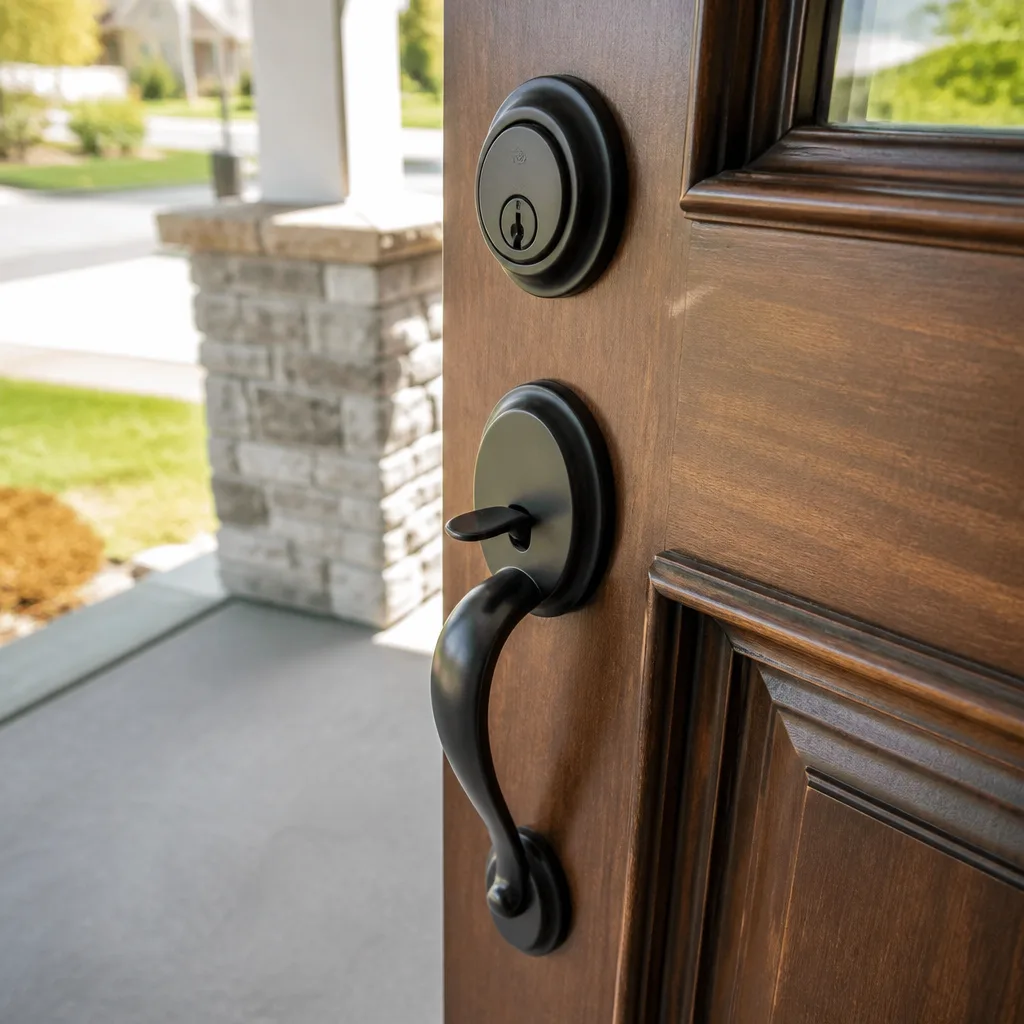 Kwikset
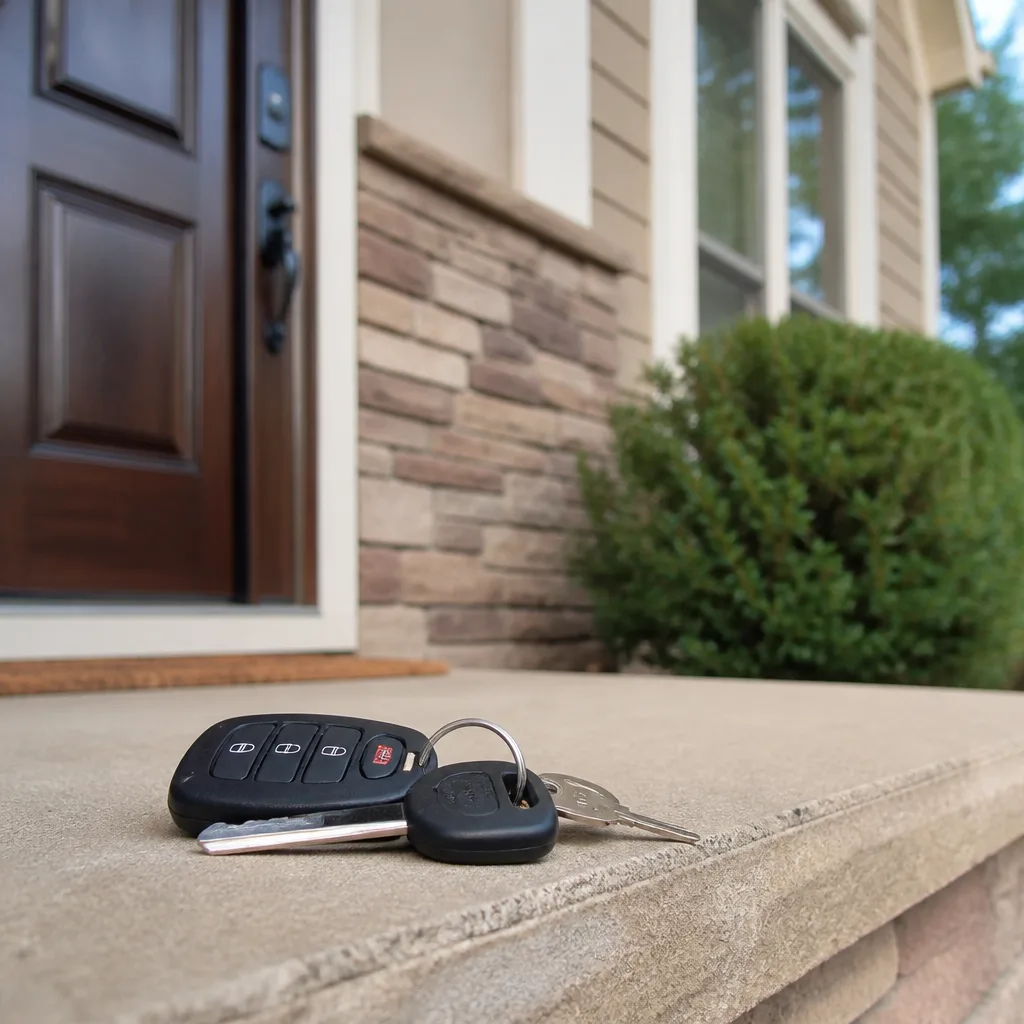 Car keys & fobs
Non-destructive entry first, always - and we re-key Schlage, Kwikset, and Baldwin locks on the spot while you watch
You get a price before we start. It does not change when we arrive. No surprises.
Get your free estimateSeasonal Locksmith Care for Bellevue: Year-Round Homeowner’s Guide
The most common call a Bellevue locksmith gets in January isn’t a lockout. It’s a deadbolt that started stiffening in October and finally seized in the cold. That’s three months of warning signs that went unaddressed. This guide walks through what actually happens to locks, deadbolts, and strike plates across Bellevue’s four seasons, and the quarterly maintenance routine that prevents most of it. For more guides & resources, see our blog. You’ll learn which lubricants work in Pacific Northwest conditions, why your door frame swells in November, and when a rekey makes more sense than waiting for a failure.
Quick Answer
Seasonal lock maintenance in Bellevue means lubricating hardware in fall before wet weather arrives, adjusting strike plates when door frames swell from winter rain, protecting smart lock gaskets from summer UV exposure, and rekeying whenever you lose track of who has a key. The core routine takes about 20 minutes per door, four times a year, and it prevents nearly every stiffness, seizure, and lockout we see during Bellevue’s wet winters.
Styles & brands we work with
Table of Contents
- Winter: Why Deadbolts Seize When Bellevue Gets Wet
- Spring: Freeze-Thaw Cycles and Door Frame Movement
- Summer: UV Damage to Gaskets and Smart Lock Pads
- Fall: The Maintenance Window That Prevents Winter Failures
- Which Lubricants Work in the Pacific Northwest (and Which Damage Locks)
- When to Rekey Instead of Repair
- Common Mistakes to Avoid
- When to Call a Professional
- Frequently Asked Questions
Winter: Why Deadbolts Seize When Bellevue Gets Wet
Bellevue gets roughly 38 inches of rain per year, and most of it lands between November and March. That moisture doesn’t just sit on the surface. It gets into the wood fibers of door frames and doors themselves, especially in older Bellevue homes built before modern weather sealing standards. Wood absorbs moisture and expands. When the frame expands, the strike plate shifts slightly, the bolt no longer lines up with the hole, and the deadbolt starts binding against the plate. You feel it as stiffness in the thumb turn or a key that’s harder to rotate.
This isn’t a lock problem. It’s a frame problem. The fix is twofold. First, lubricate the internal mechanism with a dry lubricant so the cylinder and bolt move freely regardless of alignment. Second, adjust the strike plate so the bolt has clean clearance. On many Bellevue homes we’ve seen, the strike plate screws have been overtightened into swollen wood, pulling the plate inward and creating a wedge effect. Loosening them slightly, adding a thin shim, or resetting the plate a millimeter outward solves most binding.
If left alone through winter, a binding deadbolt eventually strains the cylinder pins and the tailpiece. The key starts to catch at certain angles. Then one January morning the thumb turn won’t move at all because the bolt is wedged against the strike plate under pressure from the swollen frame. The door is locked shut. That’s the call we get.
Winter Maintenance Checklist for Bellevue Homes
- Test every exterior deadbolt by operating it 10 times. Any resistance is a signal to act.
- Apply a dry PTFE or graphite lubricant to each cylinder and bolt.
- Loosen and inspect strike plate screws on exterior doors. If wood looks swollen, consider a shim or plate adjustment.
- Check weather stripping around each exterior door. Worn stripping lets moisture migrate into the frame.
- Program or test any smart lock codes. Battery drain accelerates in cold, damp conditions.
Bellevue’s winter temperatures rarely drop far below freezing for long stretches, but persistent humidity is the real driver of lock failures. It’s not dramatic. It’s gradual, and it’s predictable.
Spring: Freeze-Thaw Cycles and Door Frame Movement
Bellevue sits in a unique microclimate where winter temperatures hover near freezing overnight and rise into the 40s during the day. That freeze-thaw cycling, especially in February through April, does specific things to door hardware. Older Bellevue homes with solid wood doors and wood frames experience the most movement. The wood freezes while slightly saturated, then thaws and dries partially. Each cycle creates microscopic movement in the frame. Over a season, that movement loosens hinges, shifts strike plate alignment, and can warp older doors enough to change how the latch and bolt sit.
Newer construction in Bellevue, particularly homes built in the last 15 years, uses engineered door frames and composite doors that resist this movement. The hardware on those homes still suffers from humidity-related expansion, but the extent is smaller. The difference matters when diagnosing stiffness. On a newer home, a stiff deadbolt is almost always a lubrication issue. On an older home, the same symptom might be frame movement that requires strike plate adjustment or hinge tightening.
How to Diagnose Spring Lock Stiffness
- Operate the deadbolt with the door open. If it’s smooth with the door open but stiff when closed, the issue is alignment, not the lock internals.
- Operate the deadbolt with the door closed but not pulled tight. If pressure on the handle changes the feel, the frame has moved.
- Inspect the gap between door and frame. An uneven gap, wider at the top or bottom, indicates hinge wear or frame shift.
- Check the strike plate for scrape marks on the bolt. Metal-to-metal contact points show exactly where the misalignment sits.
- Test the latch, not just the deadbolt. On warped doors the latch often fails first because it engages further inside the frame.
Spring is also the season when homeowners discover that winter moisture has rusted old hardware that was overdue for replacement. We see this most often on east-facing and north-facing doors in Bellevue neighborhoods like Crossroads and Lake Hills, where morning fog sits longer and afternoon sun dries doors unevenly. The result is hardware that looks fine from a distance but has internal corrosion on springs and pins.
Summer: UV Damage to Gaskets and Smart Lock Pads
Bellevue’s summers are dry by Pacific Northwest standards, with long stretches of clear sky between July and September. That sun does damage to a specific category of lock hardware: rubber gaskets, silicone keypad covers, and the plastic housings on smart locks and electronic deadbolts. UV radiation breaks down the polymers in these materials. They crack, shrink, and lose their seal. Once a gasket fails, moisture gets into the electronic compartment, and once moisture is inside, the circuit board fails when autumn returns.
This is one of the least discussed seasonal lock problems in Bellevue. We’ve replaced smart lock gaskets on homes in Somerset and Newport Hills where the lock face pointed southwest and took direct afternoon sun for five years. The keypad buttons looked fine, but the gasket behind the faceplate had gone brittle and crumbled on removal. Water intrusion followed that winter, and the lock failed completely.
Summer Maintenance Checklist for Bellevue Homes
- Remove the faceplate or keypad cover on each exterior smart lock and inspect the gasket for cracks, shrinkage, or brittleness.
- Wipe down keypad surfaces with a dry microfiber cloth. Do not use water or solvent-based cleaners on electronic lock faces.
- Test battery contacts for corrosion. Summer heat accelerates battery expansion and leakage in sealed compartments.
- If you have a south-facing or west-facing exterior door, consider a small awning or overhang if the smart lock sits in direct sun for more than four hours a day.
- Operate every exterior lock once, even doors you rarely use, to keep internal springs and pins moving.
Manual deadbolts and knobs do not suffer from UV damage the way electronic locks do, but brass and bronze finishes can oxidize in dry heat. A thin coat of automotive wax on exposed metal hardware, applied once in early summer, protects the finish through the dry months and into fall.
Fall: The Maintenance Window That Prevents Winter Failures
October is the single most important month for lock maintenance in Bellevue. The rain starts again, temperatures drop, and service calls climb sharply by mid-November. Homeowners who do 20 minutes of work in early October avoid most of the emergency calls we field between Thanksgiving and Valentine’s Day. Fall is the time to lubricate, inspect, and rekey before weather makes repairs harder.
Fall maintenance also catches problems that summer hid. A smart lock that worked perfectly through July and August might have a cracked gasket invisible until rain gets inside. A deadbolt that felt fine in dry weather might be close to binding now that humidity has returned. The goal of fall maintenance is to address every mechanical and electronic issue before the cold, wet season adds strain to marginal hardware.
Complete Fall Lock Checklist
- Lubricate every exterior lock cylinder, deadbolt bolt, latch, and hinge with a dry lubricant.
- Operate each lock 10 times to distribute lubricant and identify any remaining stiffness.
- Inspect all strike plates. Tighten loose screws. Shim or adjust any plate that shows scrape marks from the bolt.
- Replace smart lock batteries preemptively. Cold weather drains batteries faster, and you don’t want a dead lock in January.
- Inspect weather stripping and door sweeps. This is your main defense against frame swelling in winter.
- Audit who has keys. If you’ve had contractors, house cleaners, dog walkers, or tenants come and go this year, consider a rekey.
- Test all exterior doors from the outside. A lock that works from inside can still fail from outside due to misalignment.
For landlords and small-business owners in Bellevue, fall is also the right time to rekey after tenant turnover or staff changes. Waiting until spring means another season of uncertainty about who has access. Our Rekey Locks in Bellevue service handles this efficiently, often with multiple locks done in a single visit.
Which Lubricants Work in the Pacific Northwest (and Which Damage Locks)
The most common mistake we see in Bellevue homes is not a lack of maintenance. It’s maintenance done with the wrong product. WD-40 is the usual culprit. It’s a penetrating oil and water displacer, not a lock lubricant. It frees a stuck lock temporarily, then attracts dust and grime, mixes with moisture from Bellevue’s humidity, and creates a paste inside the cylinder that binds the pins worse than before. Within months, that temporary fix becomes a bigger problem.
Graphite powder is the traditional choice for lock cylinders, but it has limits in Pacific Northwest conditions. In damp environments, graphite can clump, particularly in cheap locks with loose tolerances. A dry PTFE-based lubricant, also called Teflon lubricant or dry film lubricant, is more reliable in Bellevue’s humidity because it leaves a slick film that repels moisture without attracting grime. Houdini Lock Lube and Tri-Flow Superior Dry are two product lines we’ve seen perform well on everything from Schlage to high-security brands like Mul-T-Lock and Abloy.
Lubricant Guide for Bellevue Conditions
| Lubricant Type | Use Case | Bellevue Suitability |
|---|---|---|
| Dry PTFE spray | Lock cylinders, deadbolt bolts, latches | Excellent. Repels moisture, doesn’t attract grime. |
| Graphite powder | Lock cylinders only | Acceptable in dry weather but clumps in damp conditions. |
| White lithium grease | Hinges, large mechanical parts | Good for hinges. Never use inside a lock cylinder. |
| Silicone spray | Weather stripping, plastic parts | Good for gaskets and plastic keypad surrounds. |
| WD-40 or penetrating oil | Not recommended for locks | Avoid. Creates grime buildup inside cylinders. |
The method matters as much as the product. Spray a short burst into the keyway, insert the key, and work it back and forth several times. Then wipe the key clean. Repeat if the key shows dark residue. For deadbolts, extend the bolt fully and apply lubricant to the bolt surface. Operate the thumb turn several times to work the lubricant into the internal mechanism. Do the same for latches. One application in spring and one in fall is sufficient for most homes, though doors facing the prevailing weather may need three applications per year.
If you’re not sure what your lock needs, the team at Belmont Lock & Key home can assess it during any service call. We work on eight lock brands including Schlage, Kwikset, Medeco, Yale, Baldwin, Mul-T-Lock, Sargent, and Abloy, and we’re familiar with how each responds to Bellevue’s specific climate conditions.
When to Rekey Instead of Repair
Maintenance prevents failures, but it doesn’t solve a different class of problem: key control. You might know how many keys you were given when you moved in, but you rarely know how many copies were made before that. Rekeying replaces the pins inside the lock cylinders so old keys stop working and new keys operate the same hardware. It’s faster and less expensive than replacing locks, and it’s the smartest security upgrade most people overlook.
In Bellevue, the most common rekey scenarios we handle are new home purchases, rental property turnover, and the aftermath of a lost key or a relationship change. Homeowners who buy in neighborhoods like Bridle Trails, Factoria, or Lake Hills often move in with no knowledge of who the previous owner gave keys to. A neighbor, a cleaner, a contractor, an ex-spouse. Rekeying eliminates that unknown in one visit.
For landlords in Bellevue, rekeying between tenants should be standard procedure, not an occasional practice. Washington landlord-tenant law doesn’t require rekeying between every tenancy, but the liability of a former tenant with a working key far outweighs the modest cost of a rekey. Our Rekey Locks in Bellevue service offers flat per-lock pricing, and we quote the full amount on the phone before anyone is dispatched.
Rekey Decision Checklist
- You bought a home in Bellevue and received keys from the previous owner or a real estate agent.
- You rent out a property and a tenant has moved out, regardless of whether they returned keys.
- You’ve had contractors, cleaners, or pet sitters with key access for more than a few days.
- You lost a key and can’t be certain where it went.
- You have multiple doors keyed differently and want a single key for all of them.
- Your existing locks are high-security hardware from brands like Sargent or Medeco that’s worth keeping but needs new key control.
Rekeying is also the right call when a lock has been repeatedly lubricated and still binds. Internal wear from years of use can’t be fixed with lubrication. A rekey replaces the pins and springs inside the cylinder, which often restores smooth operation without the expense of new hardware.
Common Mistakes to Avoid
- Using WD-40 on a lock cylinder. It works for a week, then attracts Bellevue’s humidity and creates grime that binds the internals. Use a dry PTFE lubricant instead.
- Ignoring strike plate scrape marks. Those tell you the bolt has been hitting metal instead of clearing cleanly. Every scrape mark is alignment damage worsening over time.
- Waiting until a smart lock is dead to replace batteries. Low battery warnings are easy to miss in daily routine. Replace smart lock batteries every fall regardless of what the display says.
- Skipping fall lubrication because the lock feels fine in September. The point is prevention. A lock that moves freely in dry fall air can seize by January when the frame swells.
- Forgetting about side and back doors. Front doors get most of the attention, but a side door to the garage or a back door off the deck is often the one that fails first because it’s less used and less maintained.
- Over-tightening strike plate screws into swollen wood. It seems like the right fix, but it pulls the plate deeper into the frame and makes the alignment worse. Shim and adjust instead.
- Assuming keypad locks are maintenance-free. They still have mechanical components, and their gaskets fail in Bellevue’s wet winters and dry summers. Inspect them just like a mechanical deadbolt.
When to Call a Professional
Some lock problems are worth fixing yourself with a lubricant and a screwdriver. Others need a trained hand. If a deadbolt binds even with the door open, the issue is inside the cylinder and lubricant alone won’t fix it. If a key turns partially but won’t complete the rotation, a pin or spring has likely broken. If a smart lock shows water staining or corrosion inside the battery compartment, the electronics are compromised. If you’ve lost a key and can’t account for who might have a copy, no amount of maintenance addresses that risk. And if you’ve been locked out in Bellevue weather, time matters. Our Emergency Locksmith in Bellevue service handles time-critical lockout situations with purpose-built tools and brand-specific knowledge. Belmont Lock & Key offers free estimates in Bellevue. Call (855) 473-2502 and we’ll tell you what the job costs before anyone is dispatched. The price we quote on the phone is the price on the invoice.
Frequently Asked Questions
If you do it yourself, a can of dry PTFE lubricant costs $8 to $15 and lasts for years. Professional lubrication and adjustment, done as part of a service call, typically runs $75 to $150 in Bellevue depending on how many doors need attention and whether strike plates require adjustment. Call (855) 473-2502 for an exact quote. Estimates are free.
Twice a year is the baseline: once in early fall before the rain returns, and once in early spring after the freeze-thaw season ends. Doors exposed to heavy rainfall or direct south-facing sun may need a third application in mid-summer. High-use locks on busy households benefit from quarterly attention.
Bellevue’s winter rain causes wooden door frames to swell, shifting the strike plate so the bolt no longer aligns cleanly. The stiffness is misalignment, not an internal lock problem. Lubricate the bolt, then adjust or shim the strike plate so the bolt clears without scraping.
No. WD-40 is a penetrating oil that temporarily frees stuck parts but attracts dust and mixes with moisture to create a paste inside the cylinder. In Bellevue’s damp climate, that paste binds pins and worsens stiffness within weeks. Use a dry PTFE-based lock lubricant instead.
Rekey when key control is the problem, not mechanical function. New home purchase, tenant turnover, lost keys, or uncertainty about who holds copies are all rekey situations. Rekeying replaces the pins in the cylinder so old keys stop working while your existing hardware stays in place. It’s the smartest security upgrade most Bellevue homeowners overlook.
Not always. Most locksmiths are comfortable with consumer brands like Schlage and Kwikset. Fewer are trained and equipped for high-security brands like Medeco, Mul-T-Lock, Abloy, and Sargent, which require specialized tools and knowledge. Belmont Lock & Key is equipped to service eight lock brands across residential, commercial, and automotive categories, including professional-grade high-security hardware. If you have a specific brand on your door, ask before you book. Call (855) 473-2502.
Not necessarily. If the gasket held and the battery compartment stayed dry, the lock will likely survive. If you see water staining, corrosion, or intermittent function, the electronic components have taken damage and replacement may be the only reliable fix. The best prevention is a fall inspection of the gasket and a preemptive battery swap. Call (855) 473-2502 and we’ll assess it for free.
The Bottom Line
Lock maintenance in Bellevue is a quarterly habit, not a reactive repair. Lubricate in fall before the rain. Adjust strike plates in winter when frames swell. Inspect gaskets in summer when UV exposure is highest. Rekey whenever key control is uncertain. Twenty minutes per door, four times a year, prevents most of the failures, lockouts, and emergency calls that hit Bellevue homeowners every winter. The right products matter as much as the right schedule, and in Pacific Northwest conditions, dry PTFE lubricant beats everything else. When maintenance isn’t enough, or when lost keys create risk beyond what lubrication can fix, a professional rekey or repair is the smart move.
Written by the team at Belmont Lock & Key, serving Bellevue since 2013.