Last updated October 30, 2026
 House lockouts
 Re-keying
 Deadbolt upgrades
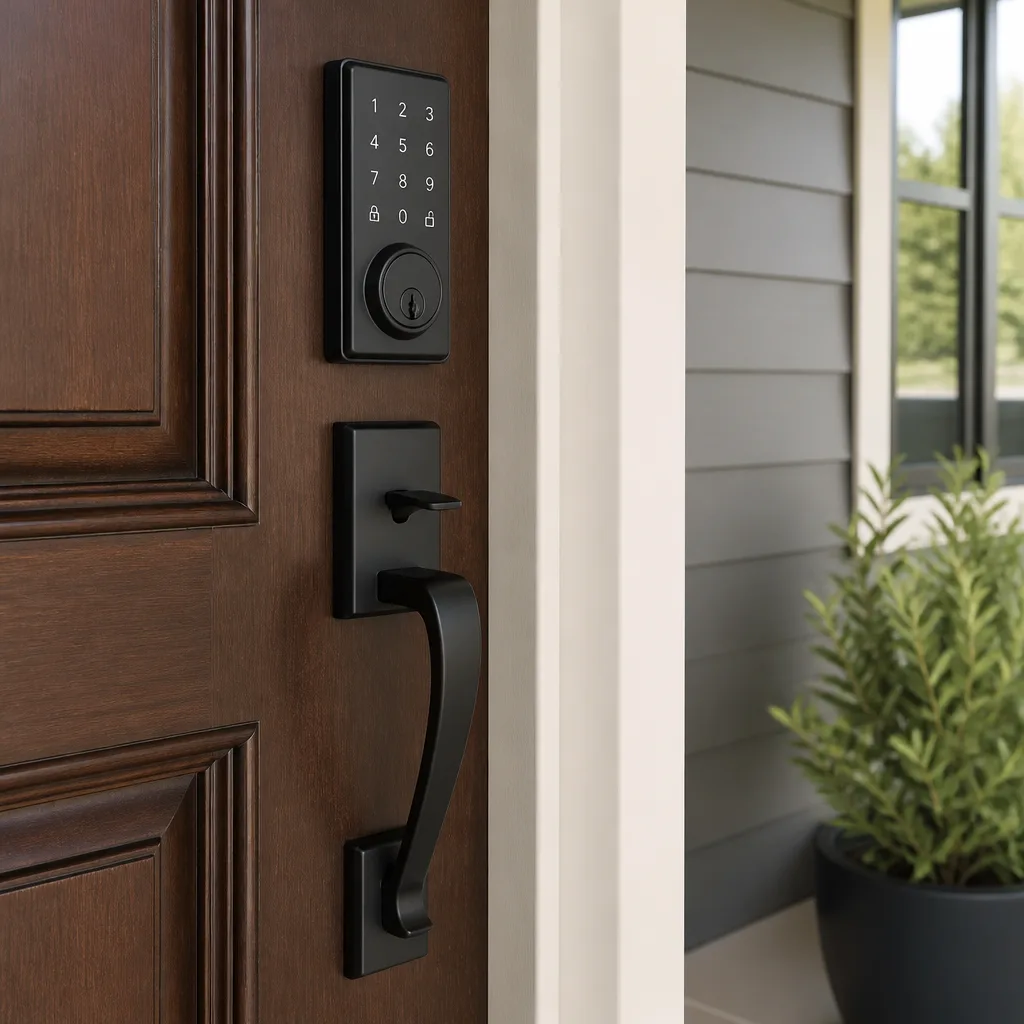 Smart locks
 Schlage
 Kwikset
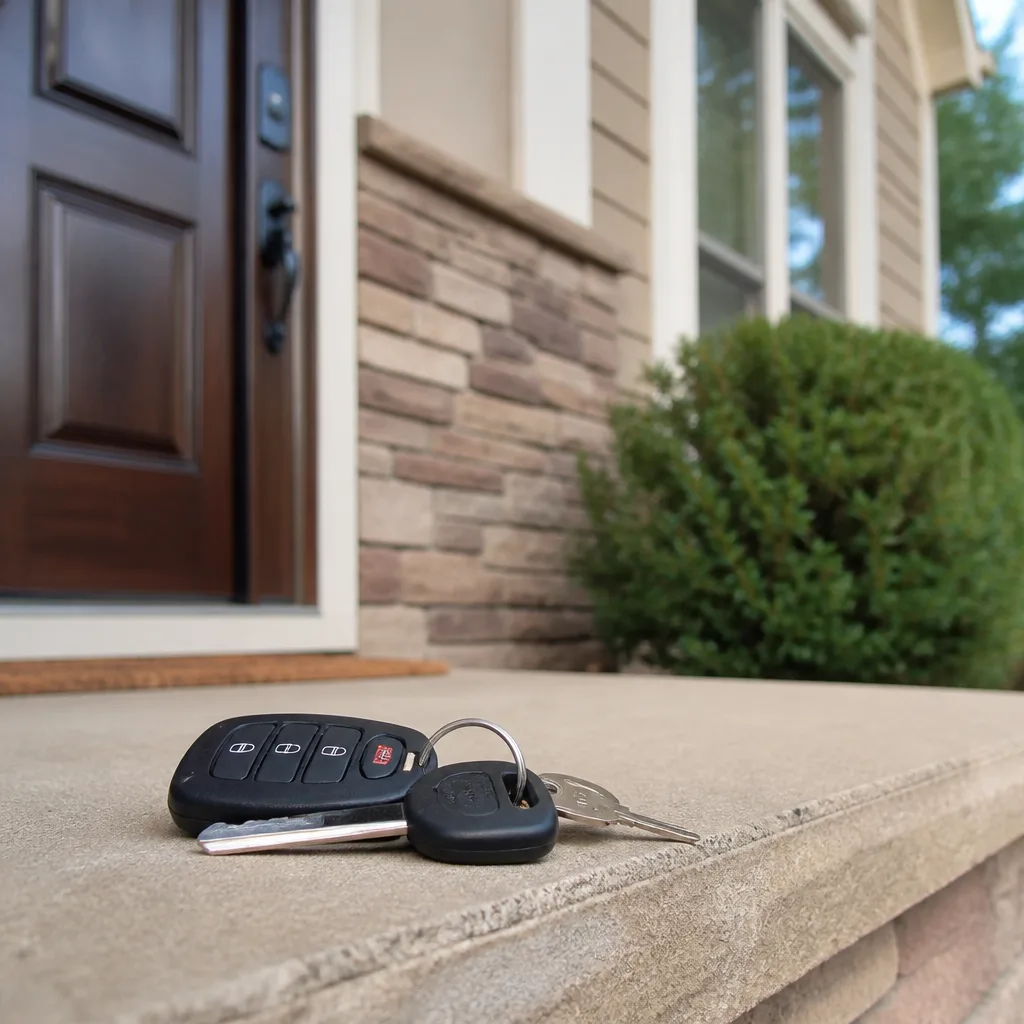 Car keys & fobs
Non-destructive entry first, always - and we re-key Schlage, Kwikset, and Baldwin locks on the spot while you watch
You get a price before we start. It does not change when we arrive. No surprises.
Get your free estimateCar Key Replacement Troubleshooting: Common Problems and How to Fix Them
Here’s a number most drivers never hear: a significant portion of car key “failures” don’t require a new key at all. Across Bellevue’s service bays and parking garages, we regularly see fobs and transponder keys that look dead but only need a battery, a resync, or a look at the car’s receiver. Reading our Complete Car Key Replacement Guide for Bellevue Homeowners before paying for a full replacement will teach you to tell the difference between a five-minute fix and a real replacement job. We’ll walk through the exact diagnostic sequence a technician uses, so you’ll know what’s wrong before you even call.
Styles & brands we work with
Quick Answer
Most car key problems fall into five categories: dead fob battery, transponder desync, receiver module failure, worn ignition cylinder, or physical key damage. Start with the cheapest possible cause (the battery) and work up. If your key turns in the door but won’t start the car, the problem is programming, not cutting – and that’s usually repairable without a new key.
Table of Contents
- Step One: Check the Fob Battery Before Anything Else
- Cut vs. Programmed: Why Your New Key Won’t Start the Car
- Transponder Keys That Read as Dead but Are Actually Desynced
- When the Problem Is the Car, Not the Key: Receiver and Immobilizer Issues
- Ignition Cylinder Wear: The Problem That Mimics a Key Failure
- Post-Replacement Problems: New Key Cut but Won’t Program
- Three Situations Where Troubleshooting Stops and Replacement Is the Only Path
- Common Mistakes to Avoid
- When to Call a Professional
- Frequently Asked Questions
- The Bottom Line
Step One: Check the Fob Battery Before Anything Else
A key fob that stops working is, in our experience, running on a dead CR2032 coin cell about 80% of the time. That’s not a statistic from a textbook. It’s what we see when Bellevue drivers hand us a “dead” fob at the counter, and we pop the back off to find a battery that’s been drained for months. The fob gave warnings: shorter range, needing to press the button twice, the car intermittently not unlocking. Those are the symptoms nobody notices until the fob stops entirely.
Here’s the diagnostic sequence for a fob that’s not working:
- Use the physical key inside the fob. Most fobs have a slide-out emergency key. If the physical key unlocks the door, the fob itself is dead – not the key’s transponder.
- Replace the battery with a fresh CR2032 (or whatever your fob specifies). The battery costs a few dollars at any Bellevue pharmacy or hardware store. If your fob uses a CR2025, don’t substitute a CR2032 – it’s thicker and can damage the contacts.
- Test the fob within 30 seconds of installing the new battery. Some fobs need to be re-synced by pressing the unlock button while holding the key in the ignition or near the start button.
- If the fob still doesn’t work after a fresh battery, the problem is likely pairing or internal damage. At this point, you’re past the cheap fixes and into diagnostic territory.
One more thing Bellevue drivers should know: the Pacific Northwest’s damp winters are not kind to fobs. Humidity corrodes battery contacts slowly, and you won’t see it until the fob dies. If you’ve been through a rough winter with a fob that’s seen snow, rain, or a few drops on the garage floor, corrosion is a real possibility. Sometimes it’s cleanable. Sometimes it’s not.
Cut vs. Programmed: Why Your New Key Won’t Start the Car
This is the single most common point of confusion in the entire car key world. A key can be cut to match your door lock perfectly – it slides in, it turns, it opens the door – and still won’t start the engine. The reason is that modern car keys contain a transponder chip that the car’s immobilizer must recognize before the engine will fire. Cutting the key is just the mechanical half. Programming is the electronic half. If the key isn’t programmed to your car’s specific immobilizer, the car will turn over but never start.
Here’s how it works, in plain terms:
- Cutting is the physical process of shaping the metal key blade to match your lock cylinder’s pins or wafers.
- Programming is the electronic process of introducing the transponder chip inside the key to the car’s immobilizer system, so the car recognizes it as authorized.
- Both steps are required for a replacement key to work.
- A key that’s been cut but not programmed will unlock the door and turn in the ignition, but the engine won’t stay running (or won’t start at all).
We see this all the time with Bellevue car owners who get a key cut at a hardware store or big-box retailer. The key looks right. It feels right in the lock. But it won’t start the car. The store didn’t program the transponder because they don’t have the automotive diagnostic tooling to do it. The key isn’t defective. It just hasn’t been introduced to the car. This is a programming fix, not a replacement issue.
Transponder Keys That Read as Dead but Are Actually Desynced
A transponder key that’s lost its sync with the car is one of the most misunderstood failures in automotive locksmithing. The chip inside the key is fine. The signal is fine. But the rolling code sequence between the key and the immobilizer has drifted out of alignment. The result looks exactly like a dead key: you turn the ignition, and nothing happens. The security light on the dash may blink or stay solid. The engine won’t crank. You’d swear the key is dead. It isn’t.
Desync happens for a few reasons:
- Rapid repeated button presses that send the rolling code sequence ahead of what the car expects.
- Interference from other electronic devices – a phone charger, a Bluetooth adapter, or a dash cam that emits noise near the ignition.
- Long periods of storage without use – the car’s internal clock drifts and the key’s rolling code no longer matches the expected range.
- A battery that died slowly and caused intermittent, partial signals before failing completely.
The good news: resyncing a transponder key is often a fast job for a locksmith with automotive diagnostic equipment. The key is placed in the ignition, a specific sequence is run (often involving turning the key to the ON position and holding it for a set interval), and the car and key renegotiate their codes. In most cases, the original key is restored to full function without cutting or programming a new one. We’ve done this for Bellevue drivers who were told by dealerships they needed a $400 replacement. They didn’t. They needed a $0 resync.
When the Problem Is the Car, Not the Key: Receiver and Immobilizer Issues
You replaced the battery. You tested the emergency key. You even had the transponder checked. But the car still won’t unlock or start. At this point, a good technician starts looking at the car’s receiver module. The receiver is the antenna inside the car that picks up the fob’s signal. If the receiver has failed, every key you try will look “dead” – because the car can’t hear any of them.
Symptoms that point to the receiver rather than the key:
- Multiple keys suddenly stop working at the same time. If one key fails, it’s probably the key. If both fail simultaneously, the problem is almost certainly the car.
- The fob works when held very close to the car’s door or dash but fails at normal range. This suggests a weakened receiver, not a dead fob.
- The car battery was recently disconnected or died. This can reset the receiver module and clear stored key pairings.
- The car’s security light stays on or flashes rapidly when the key is turned, even with a known-good key.
Receiver and immobilizer problems are beyond quick-fix territory. They require diagnostic equipment that reads the car’s body control module and security system. A locksmith or auto technician can test whether the receiver is picking up the fob signal. If the receiver has truly failed, replacement is the fix – but that’s a car repair, not a key replacement. Knowing the difference can save you hundreds of dollars. We tell Bellevue customers this all the time: if a new key didn’t fix the problem, the key was never the problem.
Ignition Cylinder Wear: The Problem That Mimics a Key Failure
An ignition cylinder with 100,000+ miles of use develops wear. The wafers inside the cylinder wear down. The key wobbles. Eventually, the cylinder won’t turn even with the correct key. Many people interpret this as a key failure because the physical key is the thing that stopped working. But the key is fine. The lock is worn out.
Here’s how to tell ignition cylinder wear from a bad key:
- The key is difficult to insert or remove. If you have to wiggle the key to get it in or out, the cylinder’s internals are worn, not the key.
- The key turns but the car doesn’t start. This is often an ignition switch issue inside the cylinder, not the key or the transponder.
- The key turns, the car starts, but then dies. A worn cylinder can fail to maintain contact, killing the engine after the key is released from the start position.
- The key becomes loose in the cylinder. Over time, the key should fit snugly. If it wobbles visibly, the cylinder is the issue.
A locksmith can inspect the ignition cylinder and tell you whether the key or the cylinder is at fault. In many cases, the cylinder can be repaired or replaced. The key may not need to be touched at all. If the key is worn, Car Key Replacement services can cut and program a new key to the existing cylinder, which is often the cheaper first step. But if the cylinder is the problem, a new key will temporarily feel better and then fail again as the worn cylinder chews on it. Bellevue’s hilly terrain and frequent start-stop driving put real wear on ignition cylinders. This is a failure we see regularly, especially in older sedans and SUVs with push-to-start systems that still use a mechanical key backup.
Post-Replacement Problems: New Key Cut but Won’t Program
This is the frustrating one. You paid for a new key. It was cut to match your VIN. The technician tried to program it. And nothing. The car refuses to accept the new key. You now have a perfectly cut key that won’t start your car. What’s going on?
Several things can cause a non-programming replacement key:
- The immobilizer system has locked out new key registrations. Some vehicles limit the number of keys that can be programmed to the immobilizer. If the system is full, new keys won’t be accepted until old ones are deleted.
- The key’s transponder chip is incompatible with your specific car’s year or trim. The same key blank may fit a 2018 model but not the revised immobilizer in a 2020 model. A good locksmith verifies compatibility before programming.
- The car’s onboard diagnostic port is obstructed or has an aftermarket alarm interfering. Remote starters, aftermarket alarms, and GPS trackers can block programming signals. Some cars refuse to program new keys until these aftermarket systems are bypassed.
- The vehicle’s body control module has a fault that prevents it from entering programming mode. This requires an automotive diagnostic scan to identify.
This is exactly why we tell Bellevue drivers not to purchase cheap “will fit your car” replacement keys from online marketplaces. The key blank may be correct, but the chip inside may be wrong. A locksmith with automotive tooling can read the replacement key’s chip and tell you definitively whether it will work with your car before attempting programming. That pre-check saves time and avoids a failed programming session on a key that was never going to work.
Three Situations Where Troubleshooting Stops and Replacement Is the Only Path
Troubleshooting is valuable. But there’s a point where spending more time diagnosing a key that’s clearly failed becomes a waste of your day. Here are the three situations where we stop diagnosing and recommend a replacement immediately:
- The key is physically broken or the chip is visibly damaged. If the key blade has snapped off in the ignition or a door lock, or if the fob’s circuit board is cracked, damaged, or waterlogged to the point of visible corrosion, no amount of resyncing will revive it. The key is done. Order the replacement and move on.
- The fob has been lost or stolen. There’s nothing to troubleshoot. A lost key is a security problem, not just a convenience issue. Replacement is mandatory, and you’ll also want to consider having the remaining keys re-paired so the lost key no longer works with your car.
- The car is a push-to-start system with a failed proximity fob that won’t hold a battery charge or respond to re-syncing. Some proximity fobs wear out internally. The antenna inside the fob weakens. The range shrinks from 20 feet to six inches. Once a proximity fob is physically degraded, replacement is the only real fix. Continuing to troubleshoot a weak proximity fob just means more mornings standing in the rain, fob pressed against the door handle, hoping the car unlocks.
If you’ve hit any of these three points, your next step is a Car Key Replacement in Bellevue – and the decision is less about “if” and more about “how fast.”
Common Mistakes to Avoid
After years of troubleshooting car key problems for Bellevue drivers, these are the mistakes we see over and over again in our Choosing the Right Locksmith Brand: A Buyer’s Guide for Bellevue experience. They cost time, money, and sometimes create new problems that didn’t exist before.
- Replacing the fob battery with the wrong size. The CR2032 and CR2025 look nearly identical but have different thicknesses. Using the wrong one can bend the contacts and permanently damage the fob. Always match the exact number printed on the old battery.
- Attempting to program a replacement key with online “universal” instructions. Programming sequences vary between makes, models, and even trim years. A sequence that works on a 2017 Camry may not work on a 2019 Camry. Following the wrong sequence can sometimes lock the immobilizer and create a more expensive problem.
- Cutting the key first, then finding out it can’t be programmed. A key that’s cut but never programmed is useless. Always verify programming compatibility before cutting. Some locksmiths skip this check to speed up the job – and the customer ends up with a key that opens the door but can’t start the car.
- Ignoring a fob that’s slowly losing range. A fob that used to work from 30 feet away but now only works from 10 feet away is giving you warning signs. Fix it then, before it dies completely in a Bellevue parking lot at 10pm.
- Buying a replacement fob from an online marketplace without checking the FCC ID. The FCC ID on the back of your fob identifies the exact radio frequency your car uses. A fob with a mismatched FCC ID will never work, even if it looks identical to your original.
- Attempting to disassemble a key fob with a flathead screwdriver. Fob housings are plastic and held together with small tabs and sometimes security screws. Prying them open with the wrong tool breaks the tabs and leaves you with a fob held together with tape. A proper fob splitter costs less than one replacement fob.
- Having a key cut from a worn original rather than the VIN. A key cut from a tired, decades-old original duplicates the wear. It may be sticky, difficult to turn, or fail to operate the door entirely. Cut from the VIN, and you get a fresh, factory-spec key.
When to Call a Professional
You’ve checked the battery. You’ve verified the physical key works. The fob still won’t unlock the car, or the transponder won’t start it. This is the point where a professional diagnostic is cheaper than continuing to guess. A locksmith with automotive tooling can test the fob’s signal, read the transponder chip, check the receiver module, and inspect the ignition cylinder – all in one visit. Belmont Lock & Key offers free estimates in Bellevue. Call (855) 473-2502 before you spend money on a replacement that may not be necessary – the diagnosis may show your key still has life in it.
Frequently Asked Questions
In the Bellevue area, a basic transponder key replacement typically runs $150 – $300 depending on the make and model. A proximity fob or push-to-start key pushes higher. The exact price depends on the key’s chip type and the programming time required. Call (855) 473-2502 for a quote before you schedule – the price quoted on the phone is the price on the invoice, with no surprise fees added on arrival. For more guides & resources, visit our blog.
Yes. A professional locksmith gives you a price before dispatch, based on your car’s year, make, and model. That price includes the key, cutting, programming, and the service call. If the phone quote is vague or “depends,” that’s a red flag. Always ask for a firm number before a technician is dispatched.
In most cases, yes. A mobile locksmith carries keys, programming equipment, and batteries. A basic transponder key cut and programmed on site usually takes under an hour. Complex proximity fobs or high-security keys with specialized chips may need to be ordered. If you need same-day service in Bellevue, call early in the day – morning appointments get the widest availability.
Two different systems are at play. The door lock is purely mechanical: if the key is cut correctly, it turns the cylinder. The ignition is mechanical plus electronic: the key must also have a transponder chip programmed to the car’s immobilizer. A key that works in the door but not the ignition has been cut correctly but not programmed. This is fixable without buying another key.
Sometimes. If a key fob falls in water, the first step is removing the battery immediately and letting the circuit board dry completely, ideally in a sealed bag with desiccant. Water damage that hasn’t caused corrosion can often be cleaned and restored. Saltwater or prolonged moisture that causes corrosion on the circuit board typically means replacement. The damage is easiest to assess within the first 24 hours, so don’t wait.
No. An automotive locksmith with transponder and proximity key programming equipment can cut and program keys for most vehicles at a lower cost and often with faster scheduling than a dealership. The exception is very new luxury models with encrypted programming that requires a dealership-only tool. A qualified locksmith will tell you upfront if your vehicle falls into that category.
The Bottom Line
Car key problems are rarely straightforward, but you don’t have to guess. Check the fob battery first. Test the physical key. Before you pay for a new key, isolate whether the problem is the key, the chip, the receiver, or the ignition cylinder. A significant portion of “replacement” jobs are actually resyncs, battery swaps, or receiver fixes. And when replacement is the only option, ensure the key is cut and programmed by a technician with automotive diagnostic equipment. The difference is the difference between one visit and three. Need help with a stubborn car key in the Bellevue area? Call Belmont Lock & Key at (855) 473-2502 – we’ll walk you through the diagnosis before you spend a dime.