Last updated October 30, 2026
 Smart locks
 House lockouts
 Re-keying
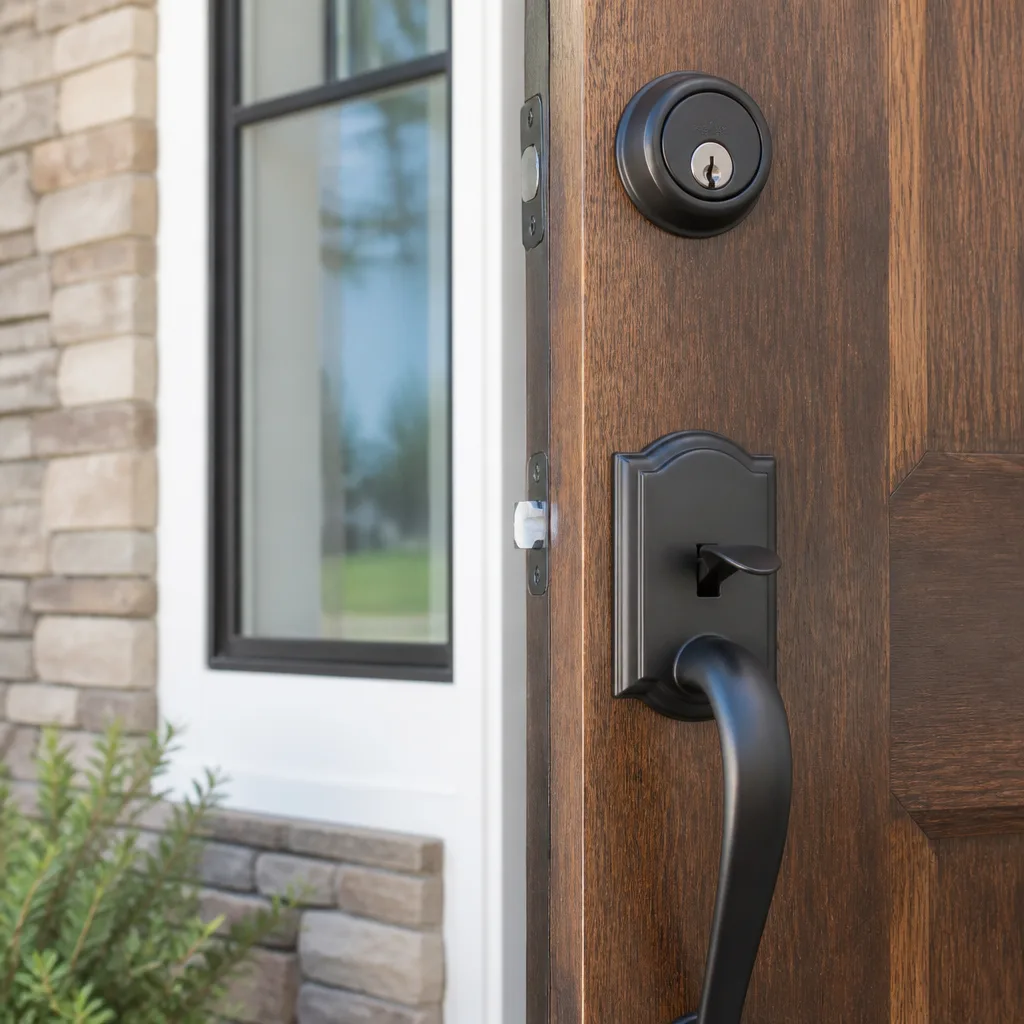 Deadbolt upgrades
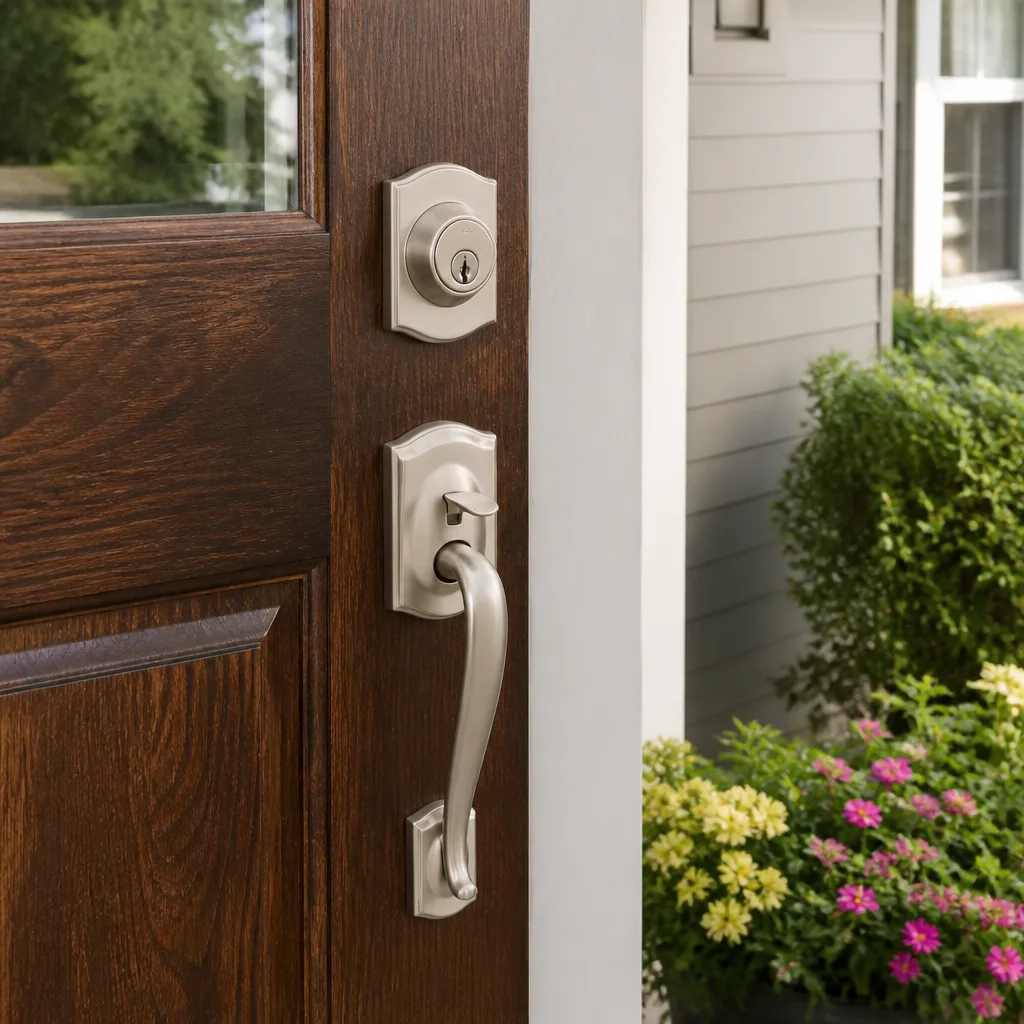 Schlage
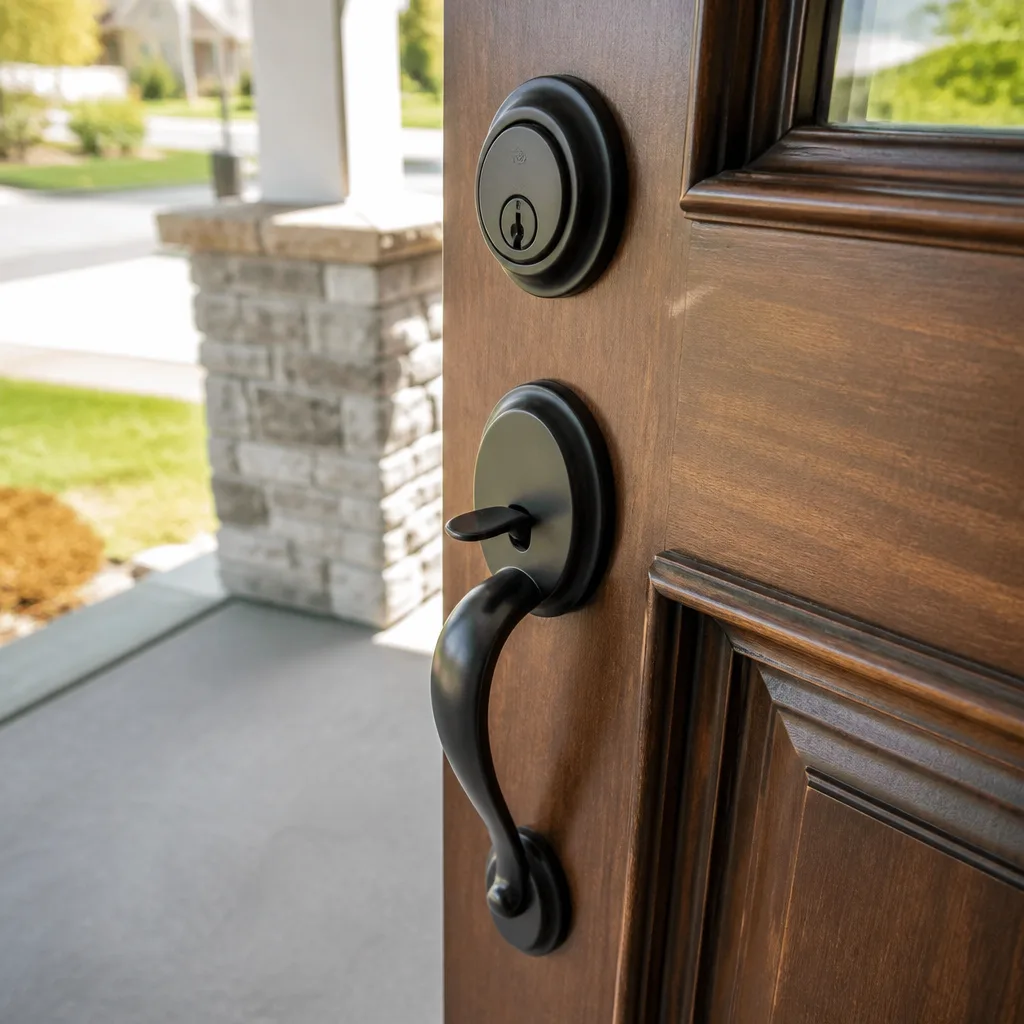 Kwikset
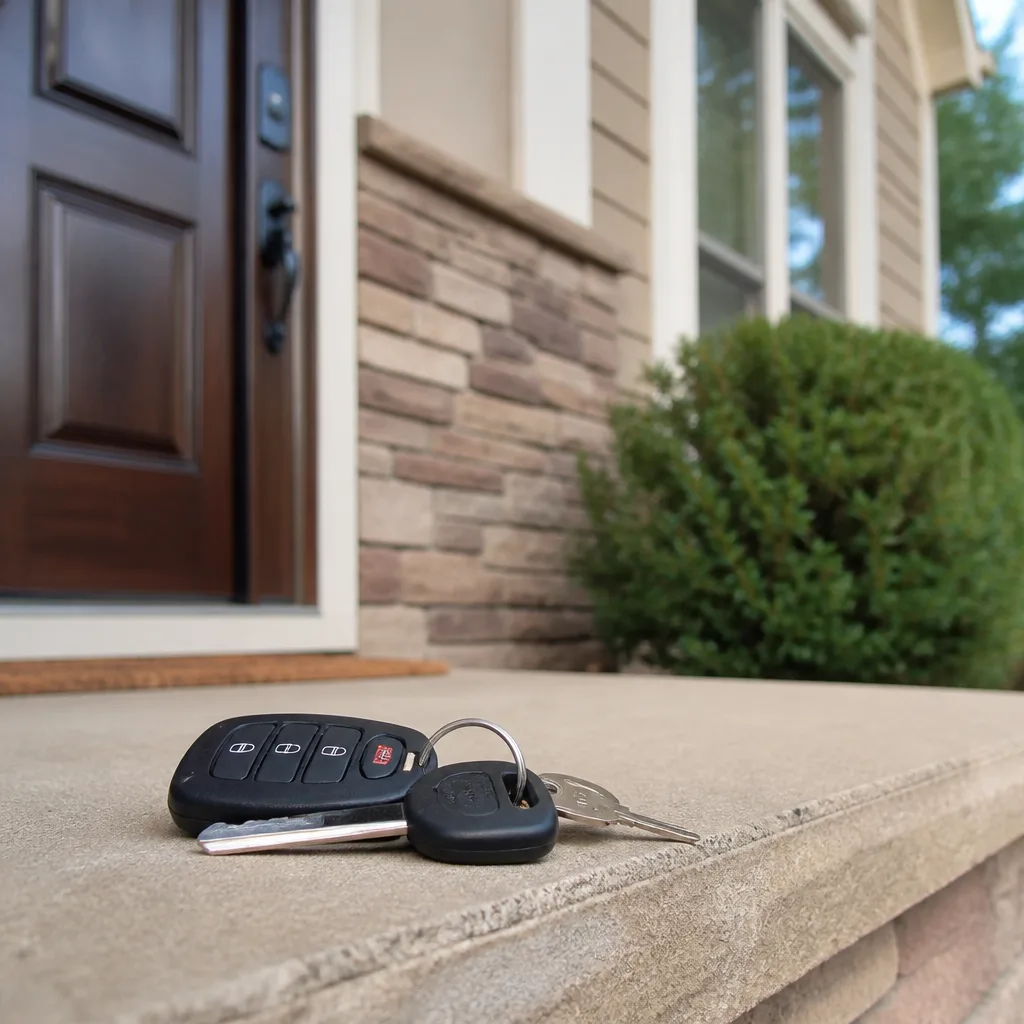 Car keys & fobs
Non-destructive entry first, always - and we re-key Schlage, Kwikset, and Baldwin locks on the spot while you watch
You get a price before we start. It does not change when we arrive. No surprises.
Get your free estimateChoosing the Right Locksmith Brand: A Buyer’s Guide for Bellevue
Schlage and Kwikset sit side by side on the shelf at Home Depot, both bronze and brushed nickel, both promising to keep your family safe. But under the finish, they are not the same lock. Their key control, cylinder design, and bump resistance differ in ways that directly affect how hard your door is to force open, how long the mechanism lasts in Bellevue’s damp winters, and whether a local locksmith can service it next year without replacing the whole thing. Most people choose a lock the way they choose a doorknob: by color and price. This guide explains what actually matters at the hardware level, so the lock you buy in Bellevue is the right one for your door, your budget, and how you actually live.
Quick Answer
For most Bellevue homeowners, a mid-grade Schlage (B-series deadbolt or better) offers the best balance of build quality, key control, and local serviceability. If you want real protection against key duplication and picking, step up to a restricted-keyway brand like Medeco or Mul-T-Lock. And whichever brand you choose, buy it from a source that can also maintain it: a lock is only as good as the locksmith who can service it in Bellevue when it fails.
Styles & brands we work with
Table of Contents
- Tier Comparison: Entry-Level vs. Mid-Grade vs. High-Security
- Key Control and Restricted Keyways: The Feature That Matters More Than ANSI Grade
- Smart Lock Brand Evaluation: Yale, Schlage Encode, and August
- Pacific Northwest Door Conditions and Hardware Wear
- The Service Ecosystem: Which Brands Bellevue Locksmiths Can Actually Fix
- Matching the Brand to Your Actual Life
- Common Mistakes to Avoid
- When to Call a Professional
- Frequently Asked Questions
Tier Comparison: Entry-Level vs. Mid-Grade vs. High-Security
Lock brands do not all compete in the same league. They are built for different doors, different threat levels, and different budgets. Understanding the three tiers is the single most useful thing you can do before shopping, because it reframes the decision from “which brand?” to “which tier does my situation actually require?”
Entry-Level: Kwikset and Schlage B-Series
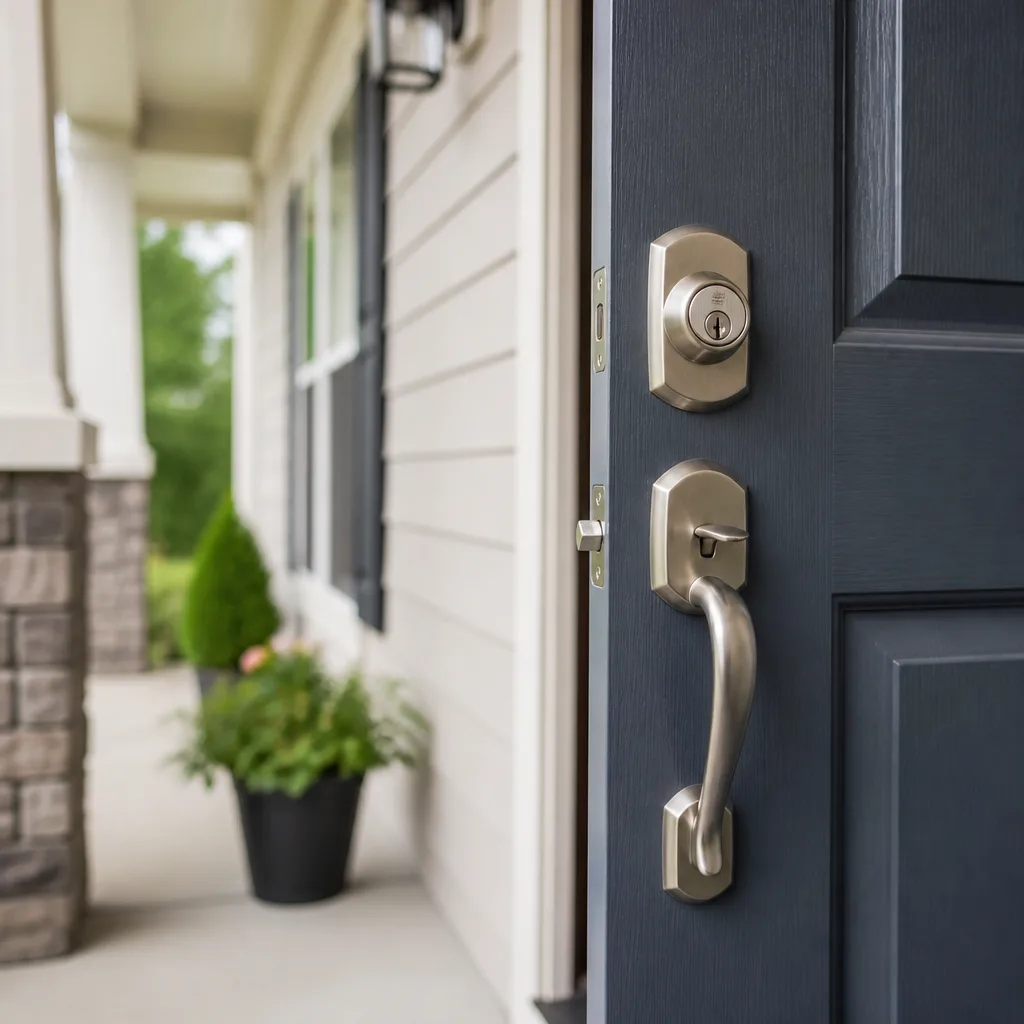
Kwikset dominates the big-box shelf, and for good reason: the locks are inexpensive, widely available, and easy to install. Their SmartKey rekeying feature is genuinely clever. The trade-off is in the cylinder. Kwikset’s standard pin and tumbler mechanism has fewer security pins than higher-tier brands, and the tolerances are looser. That means a skilled picker can open a standard Kwikset faster than a higher-grade lock, and the mechanism wears faster in daily use. Schlage’s entry-level B-series deadbolts sit in the same price band but with a meaningfully better cylinder. The keyway is tighter, the pins are machined to closer tolerances, and the deadbolt itself has a hardened steel core that resists sawing. If you are choosing between the two at the same price point, Schlage is the better mechanical lock. We rekey both every week in Bellevue, and the Schlage units consistently hold up longer before key insertion gets sloppy.
Mid-Grade: Schlage Commercial B-Series and Baldwin
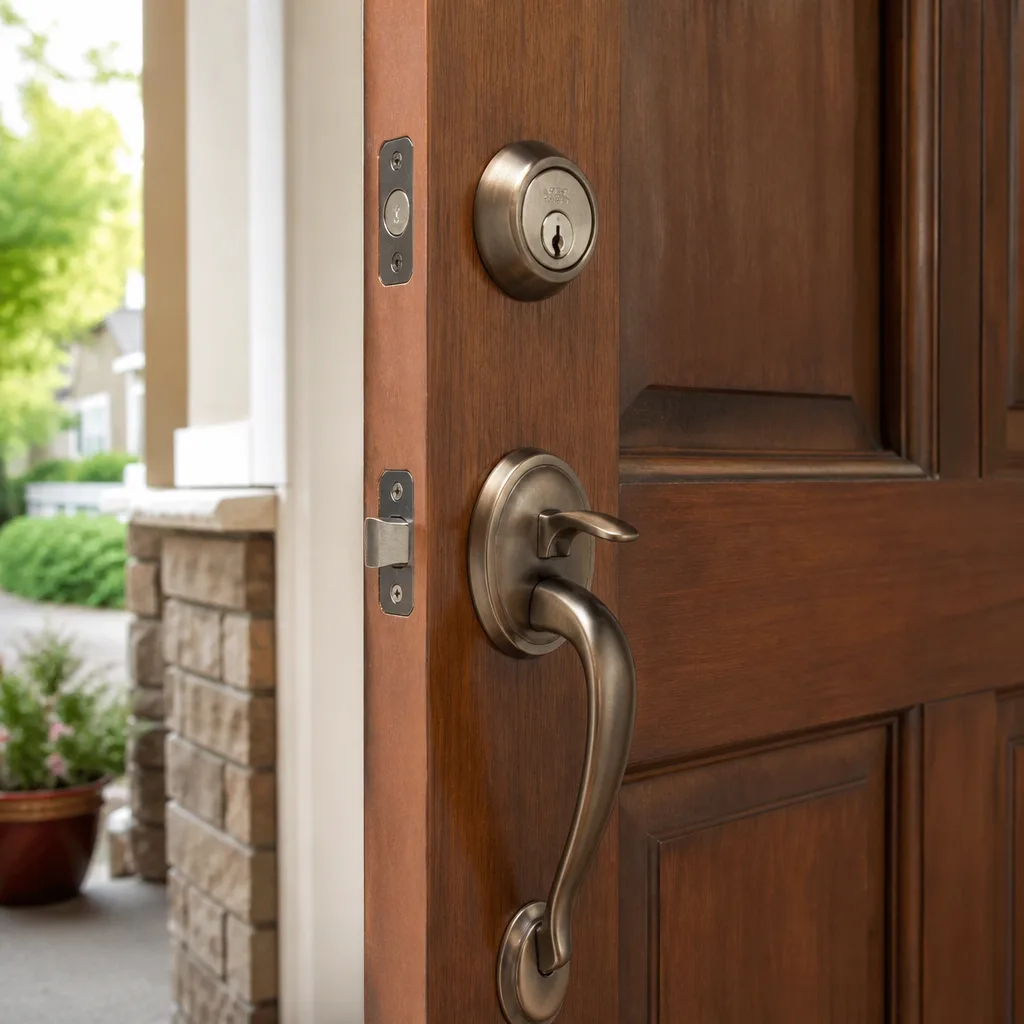
This is the sweet spot for homeowners serious about security without going full high-security. Schlage’s commercial B-series (sometimes called “B560” or “B660”) upgrades the deadbolt to a full 1-inch throw with a reinforced strike plate. The cylinder gets additional spool pins that make picking substantially harder. Baldwin, a brand better known for its aesthetics, actually builds some of the sturdiest residential hardware on the market. A Baldwin deadbolt feels different in the hand: heavier, smoother, with tighter internal components. The nice part is that Baldwin cylinders can often be keyed to match Schlage keys, which simplifies integration. For a Bellevue homeowner replacing builder-grade hardware on a house bought in the last 15 years, this tier is the best value per dollar spent.
High-Security: Medeco, Mul-T-Lock, and Abloy
At the top of the pyramid sit brands most people have never touched. Medeco uses angled cuts and a sidebar mechanism that makes the lock dramatically harder to pick. Mul-T-Lock, an Israeli brand, uses a telescoping pin-in-pin design that defeats most picking tools outright. Abloy, a Finnish company, uses a rotating disc mechanism instead of pins, which is why it is the standard for commercial facilities across Europe. These locks are not sold at retail. You buy them through licensed dealers, and the keys are cut only by authorized locksmiths who verify your identity against a registry. The initial cost is higher – often $150 to $400 per cylinder – but the security difference is real. We service Mul-T-Lock and Medeco systems for small businesses and landlords in Bellevue who need key control above all else. For a single-family home, this tier is usually overkill unless you have specific concerns about unauthorized key duplication, a previous break-in, or a shared-access situation like a vacation rental.
What this means in practice: The best lock brand for your Bellevue home is not the most expensive one. It is the highest tier you can justify based on who has access to your keys and what you are protecting.
Key Control and Restricted Keyways: The Feature That Matters More Than ANSI Grade
Ask any locksmith what actually determines a lock’s real-world security, and you will get a different answer than the marketing department gives. ANSI grades measure physical strength: how many strikes with a hammer, how many pounds of torque. Those matter. But the more common vulnerability in a Bellevue neighborhood is not a brute-force attack. It is a copied key. The contractor who renovated your kitchen had your house key for six weeks. The teenager down the street borrowed your car key and maybe made a spare. The previous owner’s cleaning lady still has a key to the back door. Every one of those keys can be duplicated at any hardware store for $3, no questions asked.
What Restricted Keyways Actually Do
A restricted keyway is a key blank that is not available to the public. The manufacturer controls who can buy the blanks, and the locksmith who sells you the system registers every key cut to your name. When you need a copy, you show identification, and the locksmith verifies that you are authorized to duplicate that key. If someone tries to take a restricted key to a corner hardware store, the store cannot even order the blank. Medeco, Mul-T-Lock, Abloy, and some Schlage Primus lines all operate this way. Sargent, common in commercial and institutional settings, offers restricted keyways as well.
Why This Matters More Than the Lock Itself
Think of your lock as a system, not a device. A $30 Kwikset deadbolt with unrestricted keys is a system where anyone who ever held a key can get another copy forever. A $200 Mul-T-Lock with a restricted keyway is a system where you know exactly how many keys exist and who holds each one. For a landlord in Bellevue managing a rental turnover, that difference is not theoretical. It is the difference between changing locks every time a tenant leaves and simply rekeying with a new registered key set. For a homeowner who has hired multiple contractors, it is the difference between sleeping soundly and wondering who still has a key. We explain this to customers constantly: the most impactful security upgrade for most people is not a stronger deadbolt. It is taking control of the keys.
- Count every spare key you know about. If you cannot account for all of them, you do not actually know who has access to your home.
- Ask whether the key blank is restricted or open. If the blank is sold at Home Depot, anyone with a photocopy of your key can make a copy.
- If you need key control, budget for it. Restricted systems cost more up front and have a process for requesting new keys. Expect to spend 2-3 times the cost of standard hardware.
Smart Lock Brand Evaluation: Yale, Schlage Encode, and August
Smart locks have moved from novelty to mainstream, and the three brands most Bellevue homeowners ask about are Yale, Schlage (specifically the Encode line), and August. All three make good products. They differ meaningfully in integration, power management, and what happens when the electronics fail.
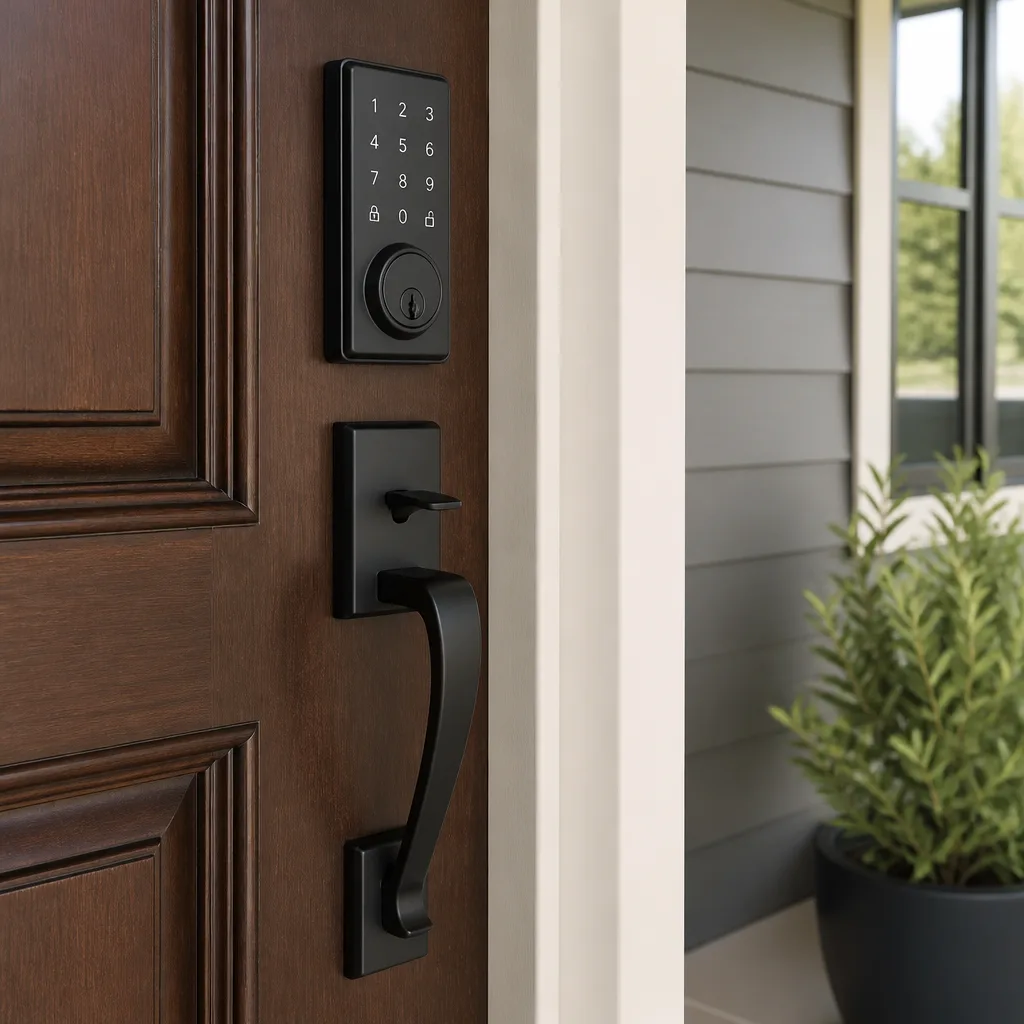
Yale: The Keypad-First Option
Yale’s Assure Lock line is built around the keypad experience. The mechanism is solid, the app is reliable, and the keypad is the best in the category – large buttons, good tactile feedback, weather-resistant. Yale works well with Z-Wave and Zigbee hubs, which makes it a favorite for homeowners who already run a smart home system like SmartThings or Hubitat. The trade-off: Yale’s Wi-Fi version requires a separate bridge for full remote control, which adds cost and a potential failure point. Battery life on the keypad-focused models is good – typically 8-12 months on four AAs – because the lock is not constantly maintaining a Wi-Fi connection.
Schlage Encode: The Simplest Wi-Fi Lock
The Schlage Encode is notable because it connects directly to Wi-Fi without a bridge. If you want to lock or unlock your door from your phone while you are in downtown Bellevue or on a flight, it just works. The keypad is good, the physical lock mechanism is Schlage’s proven B-series hardware, and the integration with Amazon Key and Ring is seamless. The trade-off is battery life. Wi-Fi locks drain batteries faster than Bluetooth or Z-Wave models – expect to change four AAs every 4-6 months. That is not a design flaw; it is the physics of maintaining a constant wireless connection. Just know it going in.
August: The Retrofit Option
August takes a different approach: instead of replacing your deadbolt, the August smart lock replaces the interior thumbturn on your existing hardware. That means you can keep your Baldwin or Schlage deadbolt on the outside and add smart control on the inside. For a Bellevue renter who is not allowed to change the exterior hardware, or a homeowner who wants to keep a specific finish, August is the only option that works. The trade-off: the lock depends on your existing deadbolt’s quality, and the August unit sits on the inside of the door where it can be knocked around by kids, dogs, and groceries. Installation is genuinely easy – about 10 minutes with a screwdriver.
What Happens When the Electronics Fail
Every smart lock eventually loses a connection, kills a battery, or glitches. The question to ask before buying is: does the smart lock have a physical key override? A Schlage Encode has a physical cylinder that accepts a standard key. A Yale Assure can be configured with or without a keyed cylinder. An August depends on the deadbolt it is attached to. In our experience in Bellevue, the most common smart-lock call we receive is a dead battery plus a locked door plus a key left inside the car. If the lock has a physical keyway, that situation is a non-event: we cut or retrieve a key and open the door. If it does not, the only solution is to drill the lock. Factor the failure mode into your buying decision.
Pacific Northwest Door Conditions and Hardware Wear
Bellevue’s climate is hard on door hardware in ways that show up over time. The combination of wet winters, mild but humid summers, and older housing stock with original wood doors creates conditions that expose build-quality differences between brands more clearly than any marketing spec sheet.
Moisture and Wood Expansion
Wood doors in Bellevue absorb moisture from the air. A door that fits perfectly in August is slightly swollen in February. That movement shifts the door relative to the frame, which puts pressure on the deadbolt and latch alignment. A lock with tight manufacturing tolerances – Schlage, Baldwin, Medeco – will continue to operate smoothly when the door moves a few millimeters. A lock with looser tolerances starts to bind. You feel it as a deadbolt that requires jiggling the door handle to throw. We see this constantly in older Bellevue neighborhoods like Enatai and Woodridge, where original 1960s and 1970s doors are still in place. Those swollen doors separate the lock brands faster than any thief ever could.
Finish Durability in Wet Air
The other PNW-specific issue is finish degradation. Locks and handles on covered porches and east-facing doors take on moisture for months at a time. Entry-level Kwikset hardware uses a thinner plating process that can pit and flake within 3-5 years in Bellevue’s climate. Baldwin’s coating process is thicker and holds up longer, which is one reason Baldwin costs more. Schlage’s mid-grade finishes are respectable. If you are buying hardware for an exterior door in Bellevue, prioritize finish quality over finish color. A cheap lock in a pretty finish still looks bad in four years.
What We Recommend for Bellevue Doors
- Newer construction (last 10 years): Schlage B560 deadbolt or better. The door frames are square, the tolerances are predictable, and the mid-grade hardware will last the life of the door.
- Older construction (1970s-1990s): Schlage commercial B-series or Baldwin. The extra deadbolt throw and better internal components handle door movement better.
- Historic homes (pre-1970s): Baldwin or custom mortise hardware. These doors often have non-standard mortise pockets that require more specialized machining. Do not buy big-box hardware and expect it to fit.
The Service Ecosystem: Which Brands Bellevue Locksmiths Can Actually Fix
Here is the question nobody asks in the showroom: after you buy this lock, who can service it? A lock is a mechanical device. It wears. Keys get lost. Cylinders need rekeying. If the brand you choose requires specialized tooling that no local locksmith carries, every service call becomes an expensive, long-wait proposition or a full replacement.
Brands With Good Local Serviceability
Schlage and Kwikset are the easiest brands to service in Bellevue. Every locksmith carries Schlage and Kwikset key blanks, pins, cylinders, and replacement parts. A rekey takes 15 minutes. A lost key gets replaced immediately. The service ecosystem around these brands is deep, which is a genuine reason to choose them even if a competitor has slightly better specs on paper.
Baldwin and Yale are also broadly serviceable. Parts are sometimes special-order, but most Bellevue locksmiths stock common Baldwin cylinders and Yale components. Sargent, used most often in commercial and institutional buildings, is serviceable but the key blanks are less common – expect a slightly longer wait for key duplication outside of a commercial locksmith.
Brands With Restricted Service Ecosystems
Medeco, Mul-T-Lock, and Abloy require authorized-dealer status to cut keys, rekey cylinders, and order parts. That is not a drawback of the brand – it is the point. Restricted access is what makes the key control work. But it means you must choose a locksmith who is certified for that specific brand and maintain a relationship with them. If you buy a Mul-T-Lock system and then lose a key, you cannot just call any lockout service and expect them to make a replacement. You call the dealer who registered your system. In Bellevue, Belmont Lock & Key is equipped to service all three of these high-security brands, along with Schlage, Kwikset, Yale, Baldwin, and Sargent. That range matters: it means you are not forced to switch locksmiths when you upgrade your hardware.
The takeaway: before you invest in high-security hardware, confirm that the locksmith who services it is local to you and carries the brand certification. A Medeco lock installed by someone who cannot service it is a future headache.
Matching the Brand to Your Actual Life
After all the technical comparison, the real question is simpler: which lock fits how you actually live in Bellevue? Here are the scenarios we see most often.
Scenario 1: The New Homeowner
You just closed on a house in Bellevue. The previous owners handed over two keys, but you do not know how many copies exist or who holds them – the previous owner’s sister, the house cleaner, the contractor who staged the home. The smartest move is not to replace the hardware. It is to rekey the existing locks so every old key stops working immediately. If the existing hardware is builder-grade Kwikset, consider upgrading the exterior deadbolts to Schlage B560 or better at the same time. You get new keys, better hardware, and total certainty about who has access.
Scenario 2: The Car Key Crisis
You lost the only key to your car – or the key fob stopped working. Most people do not think of a locksmith for this; they call the dealership. But the dealership is often more expensive and slower than a qualified automotive locksmith in Bellevue. Modern car keys – especially transponder keys and proximity fobs – require programming equipment. Not every locksmith has it. When you are evaluating a locksmith for car key replacement, ask about the specific vehicles they service and the programming equipment they carry. The brand of lock on your car is not something you choose; the locksmith who can service it is.
Scenario 3: The Lockout
Locked out at 9 p.m. on a rainy Bellevue evening. The priority here is not the brand of lock on the door – it is getting inside without destroying the hardware. A skilled emergency locksmith in Bellevue can open most residential locks without drilling. The difference between a good locksmith and a bad one shows up most clearly in lockout situations: a good one preserves your hardware and gets you in fast. A bad one drills the cylinder, charges you for the drill, and then charges you for a replacement lock. Choose a locksmith who works across brands, because they will have the right technique for whatever is on your door.
Scenario 4: The Small Business or Landlord
If you manage a commercial space or a rental property in Bellevue, your priorities are key control and durability. You need to know who has keys, revoke access when someone leaves, and survive heavy daily use. This is where restricted-keyway brands like Medeco, Mul-T-Lock, or Abloy justify their cost. One rekey per tenant turnover is cheaper than replacing hardware, and restricted blanks prevent unauthorized duplication. For this use case, choose your locksmith and your lock brand together – they are one decision.
Common Mistakes to Avoid
- Buying on finish color. The prettiest doorknob in the catalog can have the weakest cylinder. Choose mechanism quality first, then pick the finish that matches your door. Most brands offer the same mechanisms in many finishes.
- Treating ANSI grade as the whole story. ANSI grade measures physical resistance, not key control. A Grade 1 lock with open key duplication is less secure in practice than a Grade 2 lock with a restricted keyway. Understand what each rating actually measures.
- Buying a smart lock with no key override. When the battery dies – and it will – a smart lock without a physical cylinder means drilling. Insist on a keyed override unless you are comfortable with that scenario.
- Ignoring the service ecosystem. A high-security brand with no local dealer is a liability. In Bellevue, choose a brand that at least one reputable locksmith can service quickly. Confirm this before you buy, not after you lose a key.
- Replacing hardware when a rekey would do. If your existing locks are in good mechanical shape, you do not need new locks – you need new keys. Rekeying is faster and typically costs a fraction of full hardware replacement.
- Waiting until you are locked out to find a locksmith. The worst time to evaluate a locksmith is during an emergency. Identify a Bellevue locksmith you trust before you need one, save their number, and know what brands they service.
When to Call a Professional
Some lock work is genuinely DIY-friendly: swapping a doorknob on an interior door, replacing a deadbolt on a well-aligned door, changing a smart-lock battery. But if you are dealing with a door that binds, a cylinder that requires rekeying to match existing keys, or any high-security hardware, professional help is faster and cheaper than trial and error. The moment to call is when the situation involves time pressure – you are locked out, you have lost the only car key, or a tenant is moving in tomorrow. A professional Belmont Lock & Key home locksmith can assess your hardware, recommend a brand-matched solution, and complete the work on site. Belmont Lock & Key offers free estimates in Bellevue – call (855) 473-2502.
Frequently Asked Questions
For most Bellevue homeowners, a mid-grade Schlage (B560 or B660 deadbolt) is the best balance of mechanical quality, weather resistance, and local serviceability. If you want key control that prevents unauthorized duplication, step up to a restricted-keyway brand like Medeco or Mul-T-Lock. Call (855) 473-2502 for a brand recommendation based on your specific doors.
Most locksmiths can rekey open-keyway brands like Schlage, Kwikset, Yale, and Baldwin, because the pin kits and tools are widely available. Restricted brands like Medeco, Mul-T-Lock, and Abloy require authorized-dealer status, because their key blanks and pins are intentionally controlled. When you call a Bellevue locksmith, confirm they service the specific brand before scheduling.
Mechanical locks typically last 15-25 years in Bellevue’s climate, depending on exposure and use. External factors like a badly aligned door or a damp entryway shorten that lifespan significantly. If your deadbolt requires jiggling the door to throw, or the key insertion feels sloppy, the mechanism is wearing out and should be inspected.
The physical security of a smart lock is determined by the deadbolt mechanism, the same as a traditional lock – a Schlage Encode with a B-series deadbolt is as strong as a standard Schlage B-series deadbolt. The additional risk with smart locks is electronics failure and a dead battery. Choose a model with a physical key override so you are never locked out by a power issue.
Rekeying is a mechanical change, not a downgrade: the locksmith replaces the internal pins so the old keys stop working and new keys operate the same hardware. If the hardware itself is in good condition, rekeying delivers the same security outcome as replacement for less money. If the hardware is worn or damaged, replacement is the better investment.
Look for brand fluency and service range. A good Bellevue locksmith can tell you what hardware is on your door, rekey it, replace it if needed, and service high-security brands when required. The best way to evaluate is to ask two questions: what brands do you service, and can you give me a price before you arrive. Clear answers to both are a good signal.
The Bottom Line
The lock brand on your door matters – and so does the locksmith who knows it. For most Bellevue homes, a mid-grade Schlage deadbolt is the practical sweet spot: built well enough to last, keyed well enough to resist picking, and serviceable by any competent local locksmith. If you need real key control, restricted-keyway brands like Medeco, Mul-T-Lock, or Abloy are worth the upgrade – but only if your locksmith is certified to service them. Consider how Bellevue’s moisture affects your specific doors. And remember that the best security investment most people overlook is not new hardware; it is simply rekeying what you already have. From Kwikset to Medeco, we work with what you have. Whether you’re locked out or locking down, we handle it. See The Complete Car Key Replacement Guide for Bellevue Homeowners for related guidance.
Written by the team at Belmont Lock & Key, serving Bellevue since 2013. Visit our more guides & resources for additional home security tips.