Last updated October 30, 2026
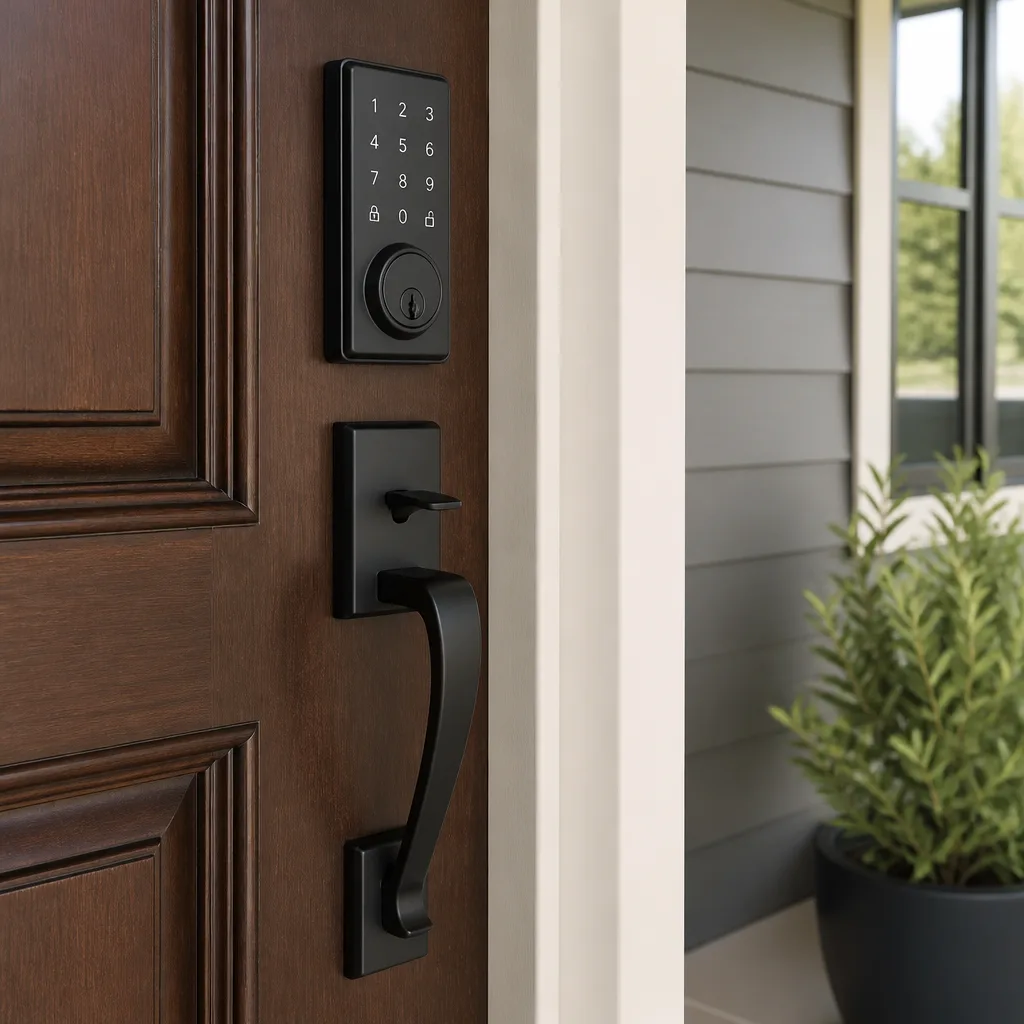 Smart locks
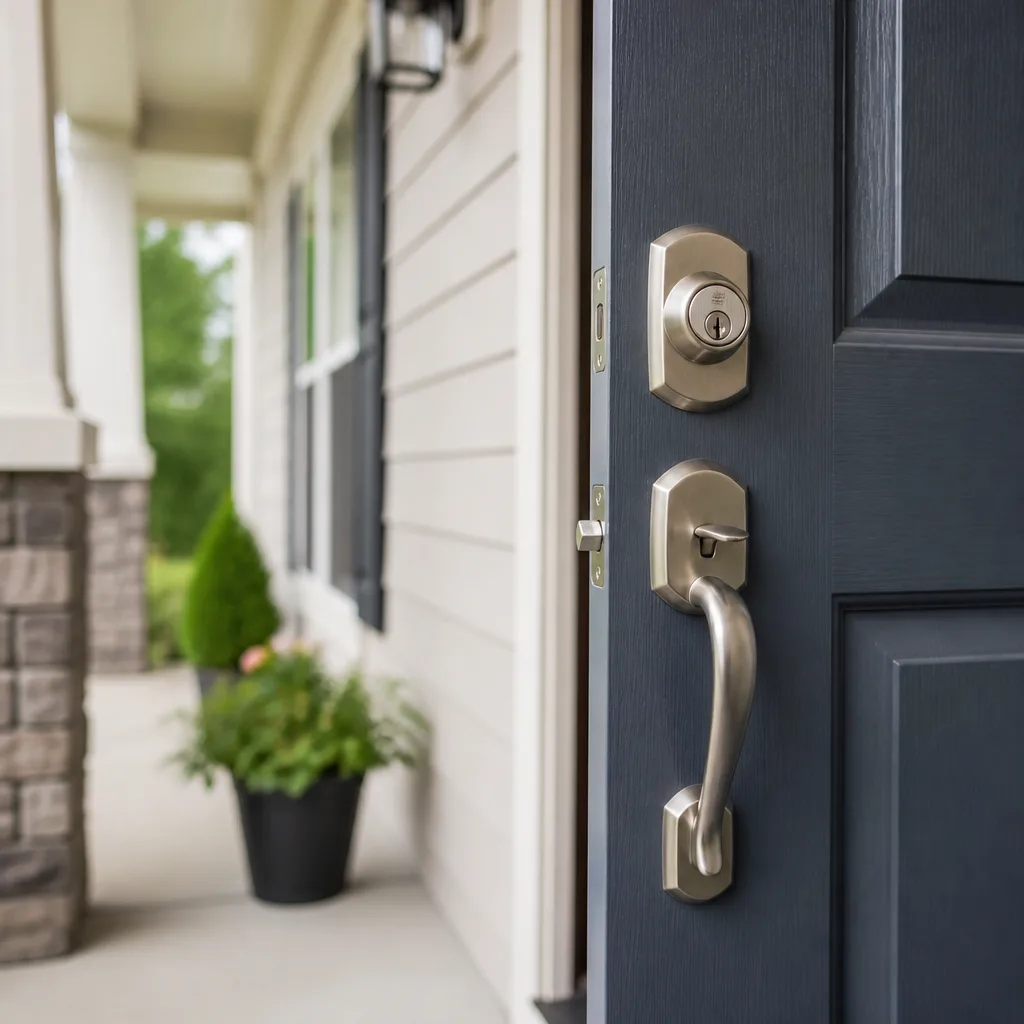 House lockouts
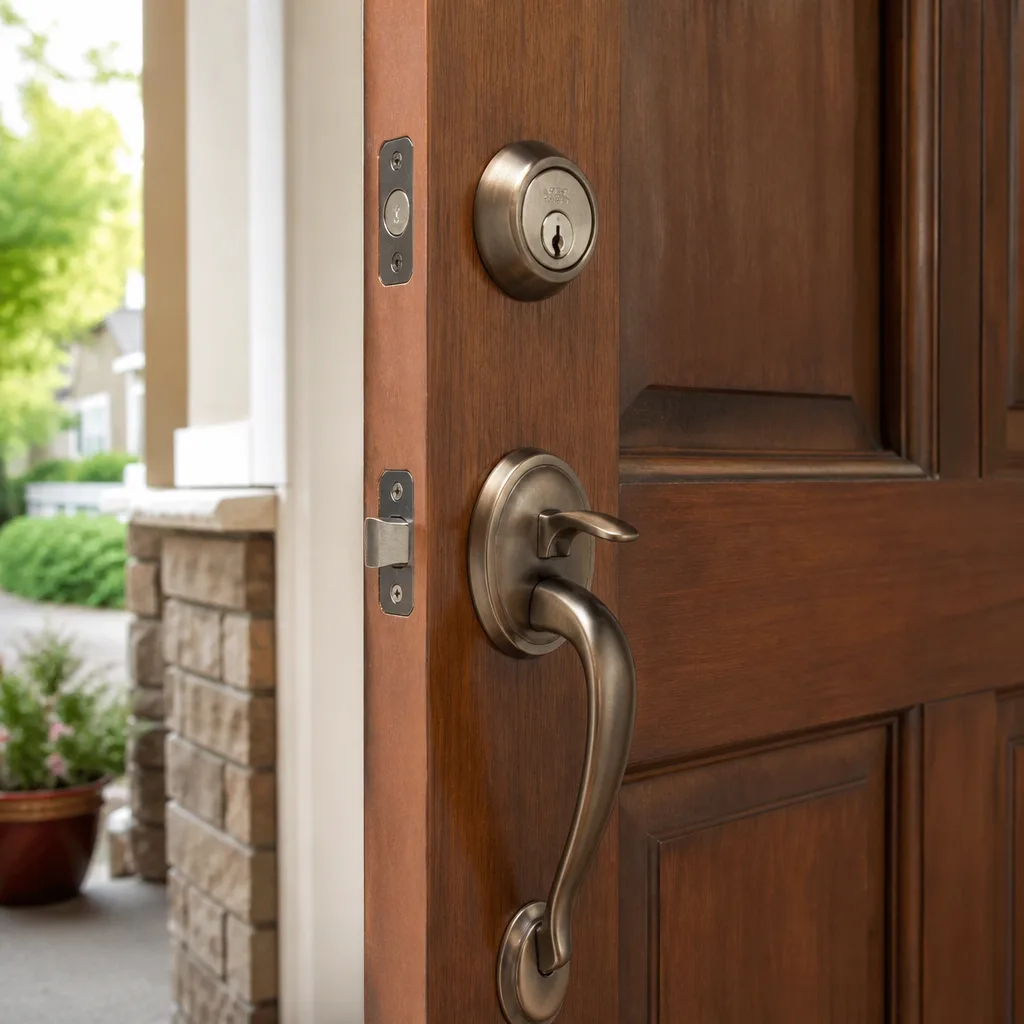 Re-keying
 Deadbolt upgrades
 Schlage
 Kwikset
 Car keys & fobs
Non-destructive entry first, always - and we re-key Schlage, Kwikset, and Baldwin locks on the spot while you watch
You get a price before we start. It does not change when we arrive. No surprises.
Get your free estimateDIY vs Professional Locksmith: The Bellevue Homeowner’s Decision Guide
Rekeying a Kwikset SmartKey lock looks like a two-minute YouTube job. It is, until the reset tool slips mid-turn and the cylinder locks permanently in a half-rotated position, and now the door won’t open and the lock needs a drill-out and full replacement. The tool costs $10. The repair costs $150. Bellevue homeowners face this exact decision dozens of times a year: grab a screwdriver on a Saturday afternoon, or call someone who has already made every mistake on the books and knows how to avoid them. This guide walks through which lock tasks belong in the DIY column, which ones quietly become expensive failures, and how to tell the difference before you start.
Styles & brands we work with
Quick Answer
Most Bellevue homeowners can safely handle basic maintenance like lubrication and standard deadbolt swaps on pre-drilled doors. Rekeying, high-security hardware installation, smart lock retrofits on non-standard doors, and any lock repair involving a lockout or damaged cylinder are where DIY attempts get expensive, because the failure modes aren’t visible until the lock is already broken. The real question isn’t whether you can learn the task. It’s what a failed attempt costs in hours, tools, and replacement hardware compared to the professional rate. For a detailed look at current pricing, see our Locksmith Cost Breakdown: The Bellevue Homeowner’s Reference for 2026.
Table of Contents
- What Bellevue Homeowners Can Safely DIY
- What Belongs in Professional Territory
- The Hidden Failure Modes of Popular DIY Lock Tasks
- When DIY Voids Manufacturer Warranties
- The Real Cost Breakdown: DIY vs Professional
- How to Assess Your Door and Lock Before Deciding
- Bellevue-Specific Factors: Climate, Settlement, and Door Misalignment
- Common Mistakes to Avoid
- When to Call a Professional
- Frequently Asked Questions
- The Bottom Line
What Bellevue Homeowners Can Safely DIY
Some lock tasks are genuinely homeowner territory. They require basic tools, have clear visual feedback when something is wrong, and don’t carry a catastrophic failure mode if you get the details slightly off. We tell Bellevue customers the same thing every time: if the task involves removing and replacing a component that was designed to be removed and replaced, you’re probably fine. If it involves taking apart a mechanism that was never meant to come apart, stop.
The Safe DIY List
- Lubricating a sticky lock cylinder or latch. Graphite powder or a Teflon-based dry lubricant, inserted into the keyway and worked through with the key. Never use WD-40 or liquid oil, which attracts dust and gums up the pins over time. This fixes in fifteen seconds – poor lubricant choice makes it worse, usually permanently.
- Swapping a standard deadbolt on a pre-drilled door. Doors prepped to ANSI standard dimensions, meaning the 2-1/8 inch bore and 1 inch edge bore, are mechanically simple. A Schlage B60 or Kwikset 660 deadbolt drops in with a Phillips screwdriver and about 20 minutes. The key detail: the new deadbolt must be the same backset, usually 2-3/8 or 2-3/4 inches, as the hole.
- Replacing a doorknob or lever set on a standard door. Same principle as the deadbolt. Match the backset, keep the screws aligned, don’t force anything.
- Tightening a loose faceplate or strike plate. A 5-minute job with a screwdriver. Use longer screws in the strike plate, 3-inch screws driven into the door frame, and the door is meaningfully harder to kick in. This is the single highest-value security upgrade most Bellevue homeowners never do.
- Weatherstripping around the door frame. Not technically a lock task, but it prevents the door from warping and the lock from binding in Bellevue’s wet season. A door that swells puts pressure on the latch and deadbolt, accelerating wear.
The common thread: these tasks use parts designed for replacement by non-specialists. The manufacturer expects a homeowner to remove the old deadbolt and install a new one. The instructions are in the box. Nothing inside the lock is exposed. When you’re done, either the lock works or it doesn’t, and you can see which immediately.
The Deadline Test
Before any DIY lock job, ask yourself one question: what happens if I can’t finish this before I need to leave the house? Lubricating a lock at 2 PM on a Saturday with nowhere to be is safe. Starting a deadbolt swap at 7 PM on a weeknight, when your kids need to be at school in the morning and the door is in pieces, is how Bellevue homeowners end up calling our Emergency Locksmith in Bellevue service at 10 PM with a door that doesn’t lock. Time pressure is the single biggest contributor to DIY lock failures.
What Belongs in Professional Territory
The pro column isn’t about skill gatekeeping. It’s about identifying tasks where the failure mode is invisible until the component is already damaged, and where repairing that damage costs more than the professional service would have cost in the first place.
Rekeying Any Lock
Rekeying means changing the internal pins inside the lock cylinder so the old key no longer works and a new key does. On a traditional pin-tumbler lock, like a standard Schlage or Kwikset cylinder, this requires disassembling the cylinder, replacing the old pins with new ones matched to the shape of the new key, and reassembling it without letting a single spring or pin fly across the room. A single missing pin means the cylinder either doesn’t work at all or works inconsistently, and by the time you notice, the lock is fully disassembled on your kitchen table.
On a Kwikset SmartKey lock, the rekey process uses a reset tool and a specific rotation sequence. The cylinder never gets taken apart, which sounds simpler, and it is, which is exactly why it’s dangerous. One wrong turn and the internal recoding mechanism locks up permanently. There is no way to reset it. The cylinder is dead, and the entire lock needs replacement.
Our Rekey Locks in Bellevue service handles this daily. The reason we exist as a service line is that rekeying is the single task where the gap between “looks simple” and “is actually unforgiving” is the widest.
High-Security Hardware Installation
Medeco, Abloy, and Mul-T-Lock cylinders are built to different tolerances than consumer-grade locks. The pins interact differently, the keyways are restricted, and the installation requirements are tighter. Abloy cylinders, for example, use a rotating disc mechanism instead of pin tumblers. Installing one on a door that wasn’t prepped for it isn’t a screwdriver job. It’s a machining job, and getting it wrong damages a cylinder that costs north of $100 before you even factor in the lock body.
These brands also carry strict warranty terms. Which brings us to the next section.
The Hidden Failure Modes of Popular DIY Lock Tasks
Every DIY lock failure shares the same anatomy: the task looks simple from the outside, the critical failure point is hidden inside the mechanism, and the repair costs two to three times what the original professional service would have cost. Here is where Bellevue homeowners actually lose money.
Kwikset SmartKey Rekey Attempts
The SmartKey cylinder is a brilliant piece of design. Instead of traditional pins, the cylinder contains a recoding mechanism that reconfigures itself to accept a new key when you run through a specific sequence. The process takes about 30 seconds when done correctly. The problem: the mechanism has a fail-deadly mode. If the reset tool is inserted at the wrong angle, or if you turn the sequence out of order, or if you use the wrong generation of reset tool, the internal wafers bind. The cylinder is now permanently locked in its current state. No amount of jiggling fixes it. A new SmartKey cylinder costs $30 to $60 depending on the trim, and the entire lock has to be removed and replaced. A professional rekey costs less than the replacement hardware.
Smart Lock Installation on Non-Standard Doors
August, Yale Assure, Schlage Encode, and other smart locks assume a door with standard prep: a properly sized cross-bore, a correctly set backset, a door frame that is square and plumb. Many Bellevue homes, particularly in older neighborhoods like Crossroads or Lake Hills, have doors that have settled. The frame is slightly out of square. The cross-bore is a hair off-center. The door itself has swollen from decades of Pacific Northwest humidity.
A smart lock installed on a misaligned door binds. The motor inside the lock strains against the resistance, and over a few months, the motor burns out. The lock was $200 to $300. The warranty doesn’t cover failure caused by installation on an out-of-spec door, because the manufacturer has no way to verify that. Every manufacturer warranty includes an installation clause, and a misaligned door voids it.
Multi-Lock Rekey Systems
Homes with a front door, back door, garage entry door, and a storage room all keyed to the same key are convenient, until you try to rekey one cylinder by yourself and get the pin depths slightly wrong. Now that one door works, but the others don’t, because rekeying a cylinder to match existing keys requires precise pin length calculations. You’re not just rekeying one lock. You’re rekeying one lock to a specific, existing key, and that’s a different skill entirely. Get it wrong and you’ve created a lock that no longer matches the system, which means you either live with it or replace the cylinder.
Lost Key Extraction from a Damaged Cylinder
When a key breaks off inside a cylinder, the two most common homeowner responses are a pair of needle-nose pliers and a drill. Pliers often push the broken key fragment deeper into the keyway. Drilling destroys the cylinder and usually scores the door. Professional key extraction uses spiral extractors that grip the broken key from inside the keyway and pull it straight out without damaging the cylinder. The tool-set costs less than $30. The judgment about when to use it and what angle to approach costs years.
When DIY Voids Manufacturer Warranties
High-security lock manufacturers write their warranties for professional installation. This isn’t arbitrary. It’s because Medeco, Abloy, and Mul-T-Lock have spent decades building a reputation for security that depends on the lock being installed correctly, and they have no way to verify a homeowner’s installation quality. If the lock fails, they need to know someone qualified installed it.
What the Fine Print Actually Says
Medeco’s residential warranty terms specify that the lock must be installed by a qualified locksmith or the warranty is void. Abloy’s warranty language includes similar installation requirements. Mul-T-Lock’s restricted key systems can’t be serviced by homeowners at all because the key blanks aren’t available to the public, the patent-protected keys can only be duplicated through an authorized dealer with the owner’s key card.
This matters for Bellevue homeowners for one specific reason: home insurance. If a break-in occurs and the insurance adjuster determines that the lock was modified or installed improperly by the homeowner, the claim can be denied or reduced. This is rare, but it happens, and it happens most often with high-security hardware that was installed by someone who didn’t understand the requirements. A professional installation creates a paper trail. A DIY installation doesn’t.
The Schlage and Kwikset Equation
Schlage and Kwikset are more forgiving. Their standard residential lines are designed for homeowner installation, and their warranties generally remain valid regardless of who installs the lock, as long as the installation is correct. The caveat: Schlage’s higher-end lines, including the Schlage Encode smart lock and Schlage’s commercial-grade deadbolts, carry stricter warranties. A homeowner install of a Schlage Encode on a misaligned door that leads to motor failure is a classic denied claim.
The rule of thumb: if the lock costs more than $100 and the brand name carries a restricted keyway, the warranty assumes professional installation. If it’s a $25 deadbolt from the hardware aisle, the manufacturer assumes you’re installing it yourself.
The Real Cost Breakdown: DIY vs Professional
The DIY decision usually starts with a price comparison, and the price comparison usually stops at the cost of the part. That’s the wrong way to run the math. Here is the actual cost accounting for the most common lock jobs in Bellevue. If you’re planning ahead for unexpected situations, our Locksmith Emergency Preparedness Guide for Bellevue Homes covers how to avoid after-hours premiums.
Deadbolt Replacement
| Item | DIY Cost | Professional Cost |
|---|---|---|
| Hardware (standard Schlage B60 or Kwikset 660) | $35 to $60 | Included in service quote |
| Tools | $0 if you own a Phillips screwdriver; $10 to $15 if you don’t | None |
| Time | 30 to 60 minutes including trip to hardware store | 15 to 20 minutes on-site |
| Failure risk | Low if door is standard prep; high if backset mismatch | None |
| Total realistic cost | $35 to $75 | $90 to $160 installed |
The deadbolt replacement is the closest call in the DIY decision. If you have a standard door and a Phillips screwdriver, you can realistically save $50 to $80. The risk is low. This is a legitimate DIY task.
Rekeying a Single Cylinder
| Item | DIY Cost | Professional Cost |
|---|---|---|
| Rekey kit (pin set, follower, plug extractor) | $25 to $80 | None |
| Time | 2 to 4 hours first time, including YouTube learning curve and at least one failed attempt | 10 to 15 minutes per cylinder |
| Failure risk | High: lost pins, mangled springs, SmartKey lockup | None |
| Cost of failure | $30 to $60 for new cylinder plus another 1 to 2 hours; $100 to $250 if door is damaged | None |
| Total realistic cost | $25 to $310 depending on outcome | $65 to $110 per cylinder |
This is where the math stops making sense. The professional rate for rekeying a single cylinder in Bellevue is roughly $65 to $110. The DIY kit costs $25 to $80, takes hours of learning, and carries a realistic chance of a $30 to $60 replacement cylinder. You’re not saving money. You’re spending time and risk to save maybe $20 on the optimistic case, and losing $100 on the pessimistic case.
Smart Lock Installation
| Item | DIY Cost | Professional Cost |
|---|---|---|
| Smart lock hardware | $150 to $300 | $150 to $300 (same hardware) |
| Installation tools | $0 to $40 for chisel, drill bits, hole saw if door needs modification | None |
| Time | 1 to 3 hours; 4+ hours if door needs boring | 45 to 90 minutes |
| Failure risk | Moderate to high on misaligned doors | None |
| Warranty | At risk on misaligned doors | Installation documented |
| Total realistic cost | $150 to $340 plus potential $150 to $300 replacement if motor fails | $150 to $300 hardware plus $85 to $150 installation |
The smart lock installation is the highest-stakes DIY call. The hardware is expensive, the consequences of misalignment are invisible for months, and the warranty exposure is real. A professional installation in Bellevue typically adds $85 to $150 to the hardware cost. Compare that to the cost of replacing a burned-out $250 smart lock in eight months, and the professional installation pays for itself the first time it doesn’t fail.
How to Assess Your Door and Lock Before Deciding
Before you commit to any path, run through these six checks. They take ten minutes and they determine whether the job is a clean swap or a slow-motion train wreck.
- Measure the backset. The backset is the distance from the edge of the door to the center of the bore hole. It’s either 2-3/8 inches or 2-3/4 inches. If you buy a lock with the wrong backset, it won’t fit, period. Measure it before you buy anything.
- Check the bore diameter. Standard doors have a 2-1/8 inch cross-bore for the lock body and a 1 inch edge bore for the latch. Older Bellevue homes sometimes have smaller non-standard bores that require drilling to enlarge. This is not a beginner task.
- Test the door alignment. Open the door halfway and let go. If it swings open or closed on its own, the frame is out of square. Check the reveal, the gap between the door and frame: it should be even all the way around. If it’s tight at the top and wide at the bottom, or vice versa, the door has settled.
- Inspect the strike plate. The strike plate is the metal plate on the door frame where the latch and deadbolt enter. If the deadbolt scrapes against the strike plate when you lock the door, the door is misaligned. A new lock won’t fix that. The door needs adjustment first.
- Identify the lock brand. Look at the face of the lock. Schlage, Kwikset, and Yale stamp their names on the faceplate or keyway. If you can’t identify the brand, you can’t know whether you’re dealing with a standard pin-tumbler cylinder or a proprietary mechanism like SmartKey.
- Check for smart lock compatibility. Smart locks require that the deadbolt throw and retract freely with zero resistance. If the deadbolt is even slightly stiff, the smart lock motor will struggle against it. Fix the mechanical alignment before installing the electronic component.
If all six checks come back clean, you have a standard door with a standard lock and a DIY deadbolt swap is reasonable. If any check fails, especially three or four, you’re looking at door repair plus lock installation, and that’s a professional job.
Bellevue-Specific Factors: Climate, Settlement, and Door Misalignment
Bellevue’s climate does something specific to doors. The wet season runs from October through April, with humidity levels routinely above 80 percent. Wood doors absorb moisture and expand. The dry summer months pull that moisture back out, and the doors contract. Over years of this cycle, wooden doors warp. Composite and metal doors don’t warp the same way, but the wood frames around them still settle.
The result: a higher percentage of Bellevue homes have misaligned doors than homes in drier climates. This isn’t a commentary on construction quality. It’s what happens when a region gets 40 inches of rain a year and then dries out every summer. Door frames shift. Strike plates no longer line up. Deadbolts start to bind.
This matters for the DIY decision because lock installation on a misaligned door is not a lock task. It’s a door repair task that happens to involve a lock. The pros who work on Bellevue doors every day know how to adjust the strike plate, shave the door edge, or reset the hinge to bring the door back into alignment before the new lock goes in. A homeowner installs the lock, the deadbolt binds, and now the door doesn’t lock properly. The lock isn’t defective. The door is out of spec.
Neighborhood-Specific Reality in Bellevue
Homes in older Bellevue neighborhoods, the ones built in the 1960s and 1970s around Crossroads, Woodridge, and Lake Hills, have had five or six decades of seasonal expansion and contraction. Many of these homes still have their original doors. Some still have their original locks. A homeowner in those neighborhoods replacing a deadbolt is more likely to encounter a non-standard bore, a settled frame, or a door that has been shaved and re-shimmed multiple times over the decades. It’s not the same job as a deadbolt swap in a 2018 construction in Factoria.
Newer Bellevue construction tends to have standard doors and standard prep. The DIY deadbolt swap is straightforward there. The variable is the age of the door, not the skill of the homeowner.
Common Mistakes to Avoid
- Using WD-40 on a lock cylinder. WD-40 is a solvent and water displacer, not a lubricant. It washes out the factory grease, leaves a thin film that attracts dust, and the lock gets stickier within months. Use graphite powder or a dry Teflon lubricant instead.
- Starting a SmartKey rekey without the correct reset tool generation. Kwikset has released multiple generations of SmartKey cylinders, and the reset tools are not fully backward compatible. Bellevue homeowners have bricked more SmartKey cylinders with the wrong tool than with any other single error.
- Buying a lock before measuring the backset. The hardware store aisle is full of locks with 2-3/8 inch backsets and 2-3/4 inch backsets on the same shelf. Guess wrong, and you’re back at the store before you’ve finished the job.
- Installing a smart lock on a door where the deadbolt already requires force to throw. The smart lock motor isn’t stronger than your hand. If you have to press on the door to get the deadbolt to line up, the smart lock will fail. Fix the door first.
- Rekeying one lock in a multi-lock house and creating a system mismatch. Either rekey every lock on the same key together, or accept that you’ll have two keys. Doing it piecemeal creates a key situation worse than the one you were trying to fix.
- Drilling out a cylinder as a first response to a broken key. Drilling destroys the cylinder and often damages the surrounding door hardware. Professional key extraction preserves the cylinder in most cases. The drill is a last resort, not a first move.
- Ignoring the door, frame, and weatherstripping and hyper-focusing on the lock itself. In Bellevue’s wet climate, the door and frame are usually the source of lock problems. A new lock on a warped door is a new lock that doesn’t work.
When to Call a Professional
Call a locksmith when the lock is already damaged, when the job involves a mechanism you can’t see inside, when a deadbolt is binding and the door needs alignment work before any lock hardware touches it, or when the hardware costs more than $100 and the warranty matters. The failed DIY attempt is the most expensive kind of lock job because it means paying for the correct repair plus the replacement of whatever was broken in the attempt. Belmont Lock & Key offers free estimates in Bellevue, call (855) 473-2502, and we’ll give you a straight answer before you touch a screwdriver. If you’re evaluating contractors, our How to Hire a Locksmith Contractor in Bellevue: A Step-by-Step Guide explains what to look for. From Kwikset to Medeco, we work with what you have.
Frequently Asked Questions
A professional locksmith in Bellevue typically charges $65 to $160 for a standard residential job like a deadbolt replacement or single-cylinder rekey, plus hardware cost. Emergency lockout service is a different category with its own immediately available dispatch. Get a phone quote before anyone is dispatched and confirm it’s the price on the invoice. Call Belmont Lock & Key home at (855) 473-2502 for exact pricing on your specific lock.
No, not in any realistic accounting. A DIY rekey kit costs $25 to $80 with a meaningful failure rate that adds a $30 to $60 replacement cylinder plus two to four hours of work. A professional rekey costs $65 to $110 per cylinder and takes 15 minutes. The math only works in the DIY direction if you plan to rekey many locks over several years and place a zero value on your time.
You can, and we see Bellevue homeowners succeed at this regularly when they follow the exact sequence with the correct reset tool generation. The failure mode, a permanently locked cylinder from a mistimed rotation, is unrecoverable and requires full lock replacement. The risk-free path is professional rekeying, which costs less than the replacement hardware if the attempt fails.
High-security cylinders from Medeco and Abloy are the hardest to install correctly because their tolerances are tighter and their keyways are designed to resist manipulation. A standard door prep doesn’t automatically accept these cylinders without modification, and the warranty assumes professional installation. Smart locks on misaligned doors run a close second because the installation looks correct on day one and fails silently over time.
Schlage and Kwikset are the two most common lock brands in Bellevue, and any competent local locksmith works with them daily. The differentiator is experience with the full brand range, including high-security lines like Medeco, Mul-T-Lock, and Abloy, which require specialized tooling and training that generalist locksmiths don’t always have.
Most Bellevue locksmiths will install customer-supplied hardware, including Belmont Lock & Key, as long as the hardware is new and compatible with the door prep. The caveat: if the lock fails later, the manufacturer may require proof of professional installation, so keep the invoice. The warranty conversation is easier when the locksmith supplied the hardware, because there’s one warranty point of contact.
The Bottom Line
The DIY-vs-professional lock decision isn’t about confidence or handiness. It’s about failure modes, and specifically whether the failure mode is visible and recoverable. Lubricating a lock or swapping a standard deadbolt on a square door is a homeowner task with clear feedback and cheap consequences. Rekeying a cylinder, installing high-security hardware, or putting a smart lock on a settled Bellevue door is a professional task where the failure hides until it’s expensive. If the job involves taking apart a mechanism you can’t see, or if the failure of that mechanism costs more than the service, call (855) 473-2502. The Car Key Replacement in Bellevue and Rekey Locks in Bellevue service lines both start with a phone estimate, and we’ll tell you honestly whether the job is DIY territory before you spend a dollar.
Written by the team at Belmont Lock & Key, serving Bellevue since 2013. Browse more guides & resources on keeping your home secure.