Last updated October 30, 2026
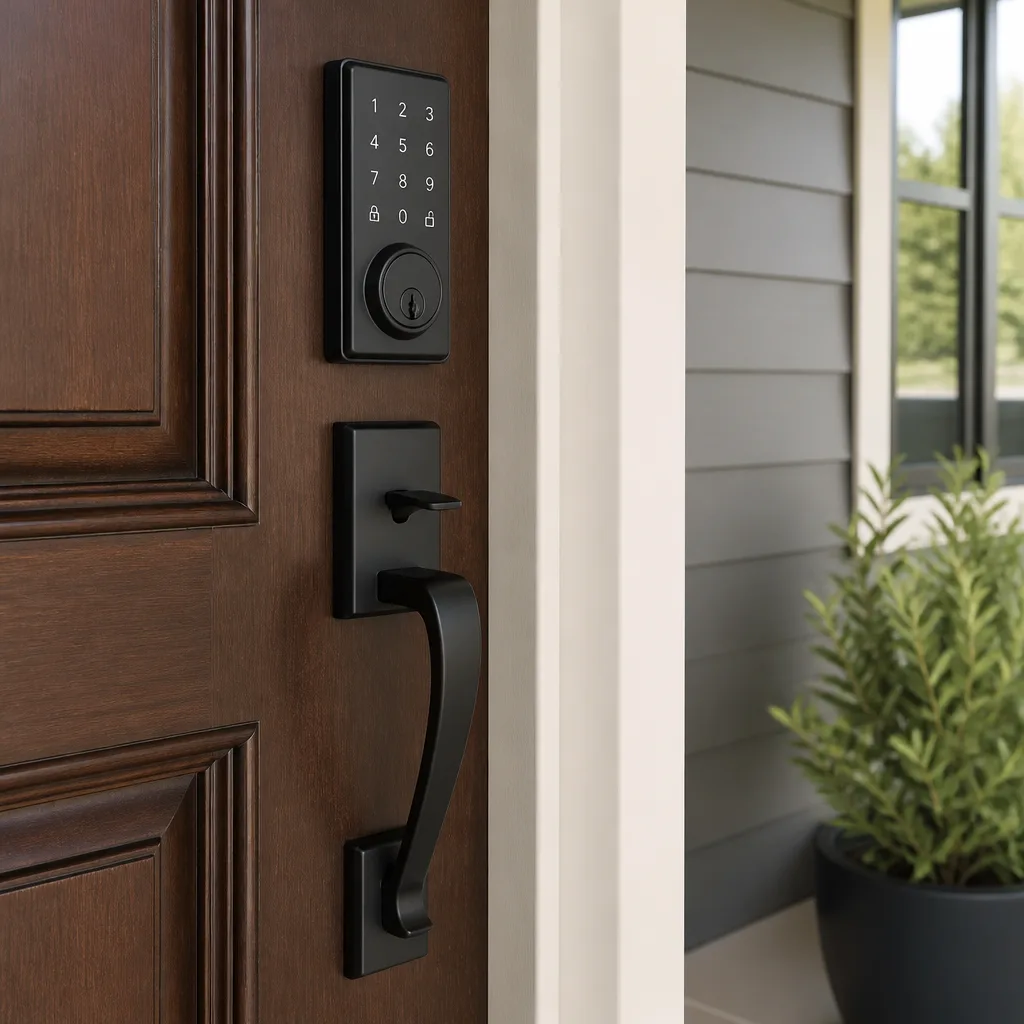 Smart locks
 House lockouts
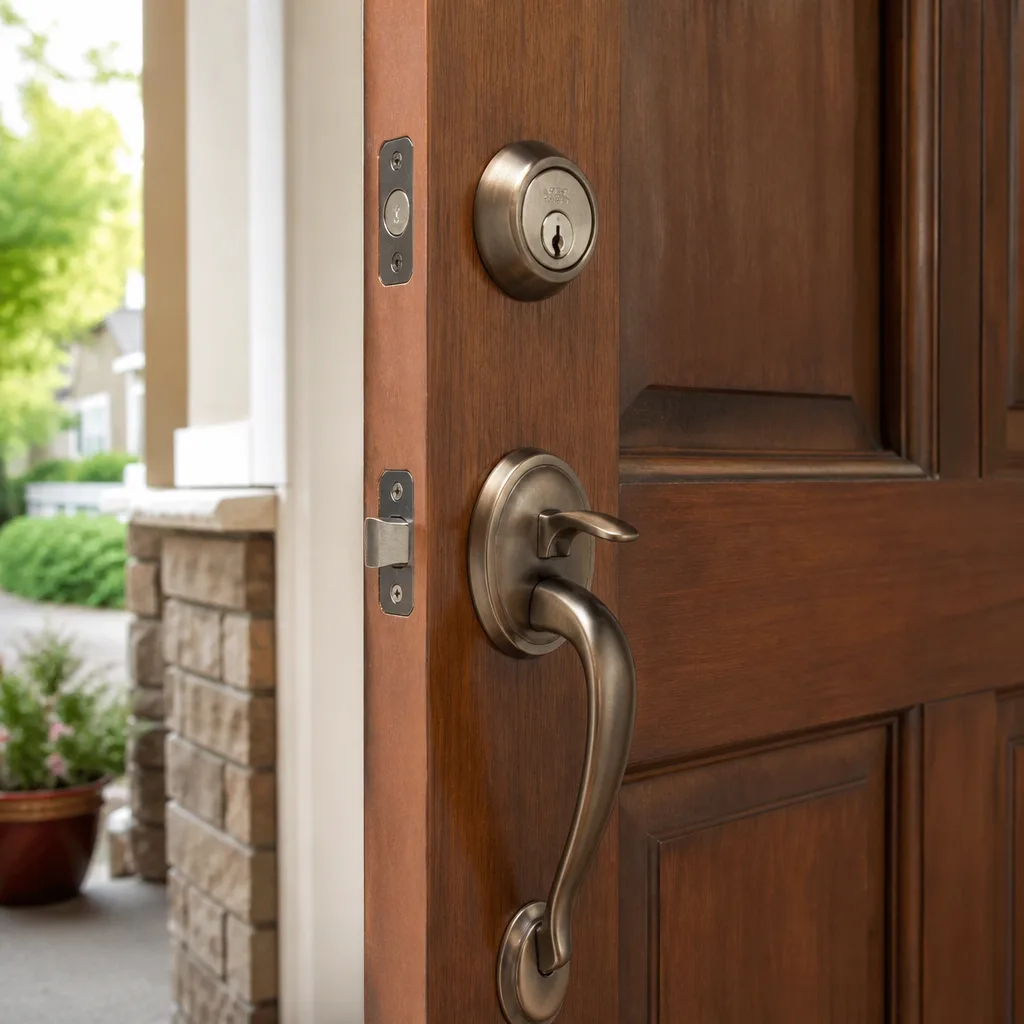 Re-keying
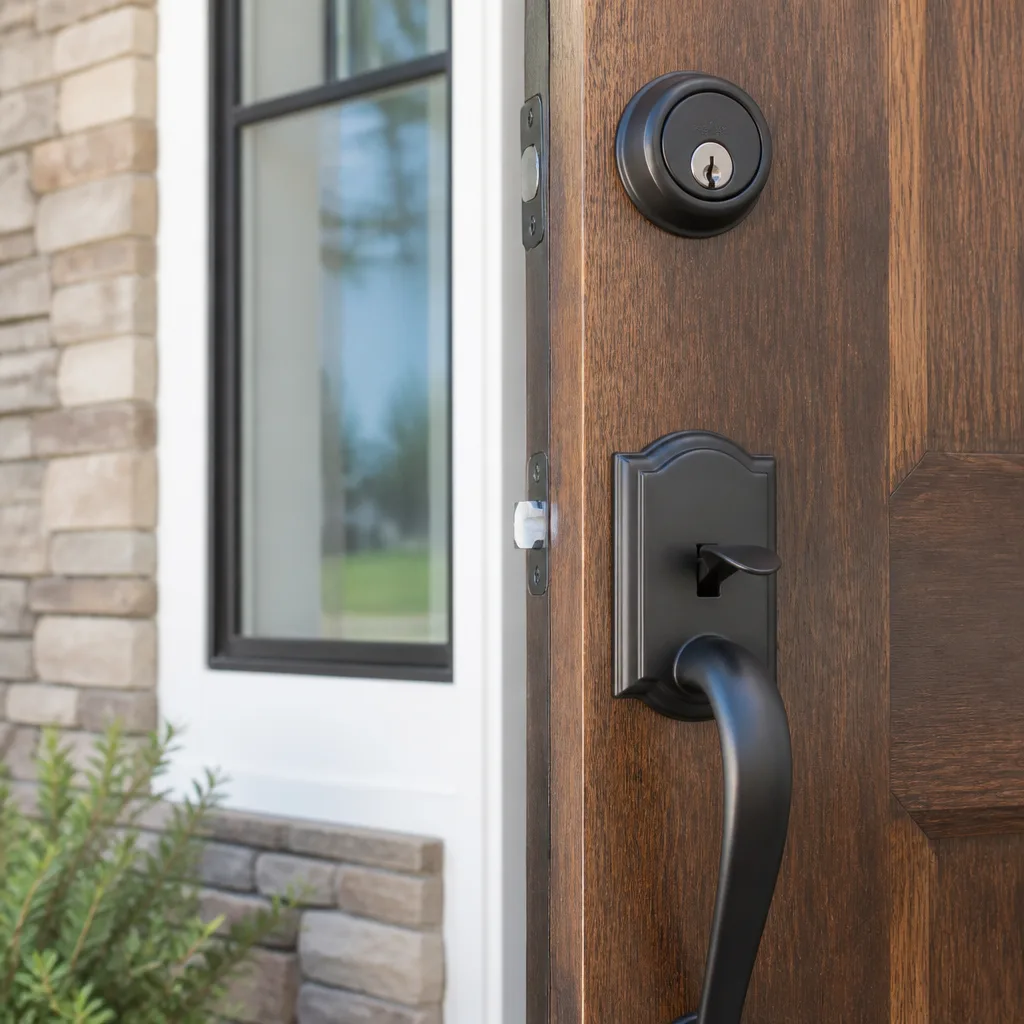 Deadbolt upgrades
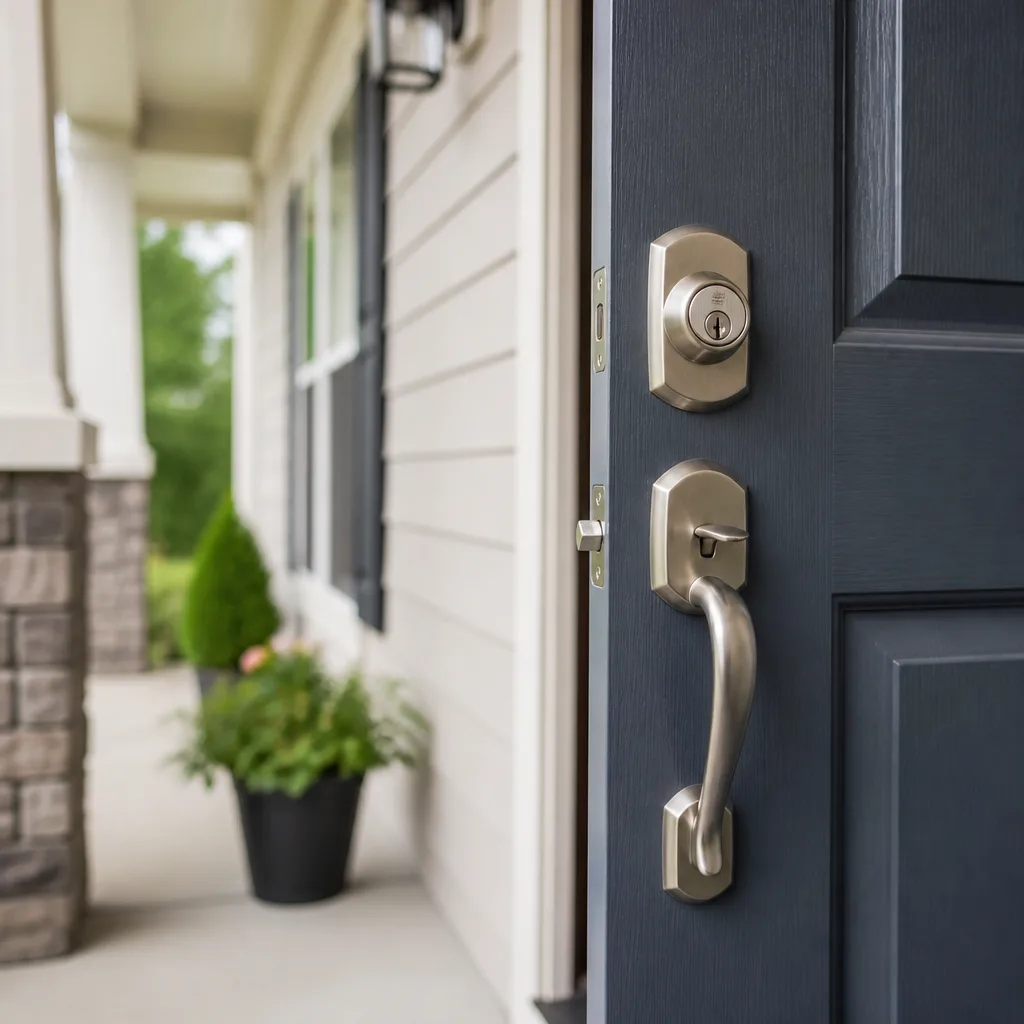
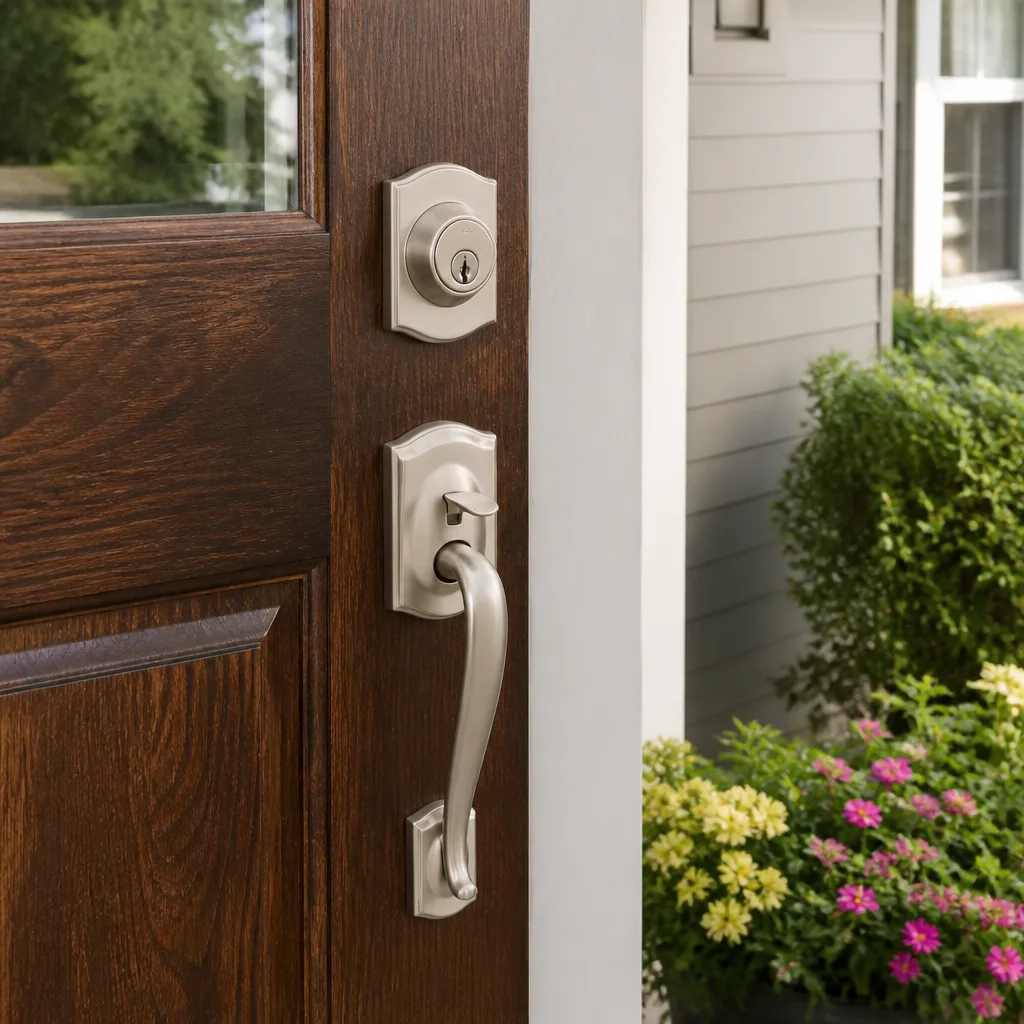 Schlage
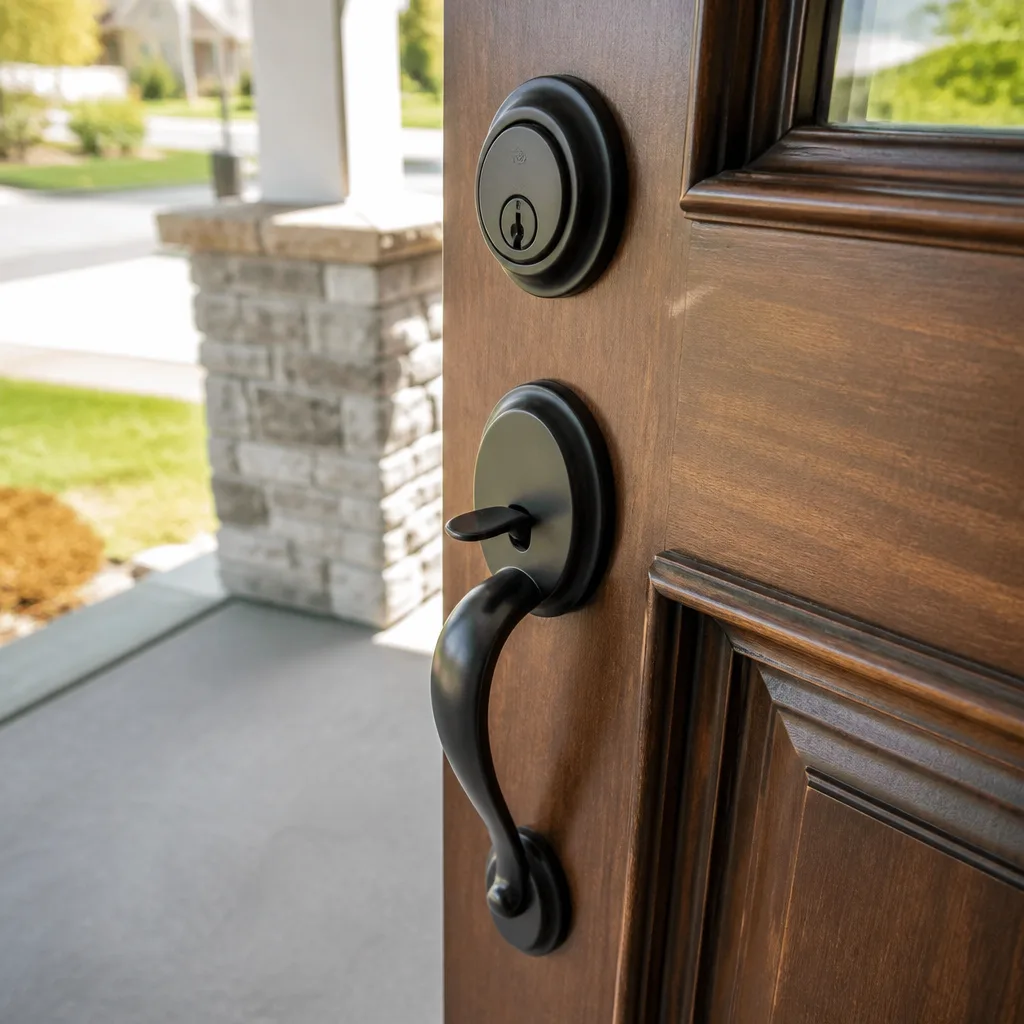 Kwikset
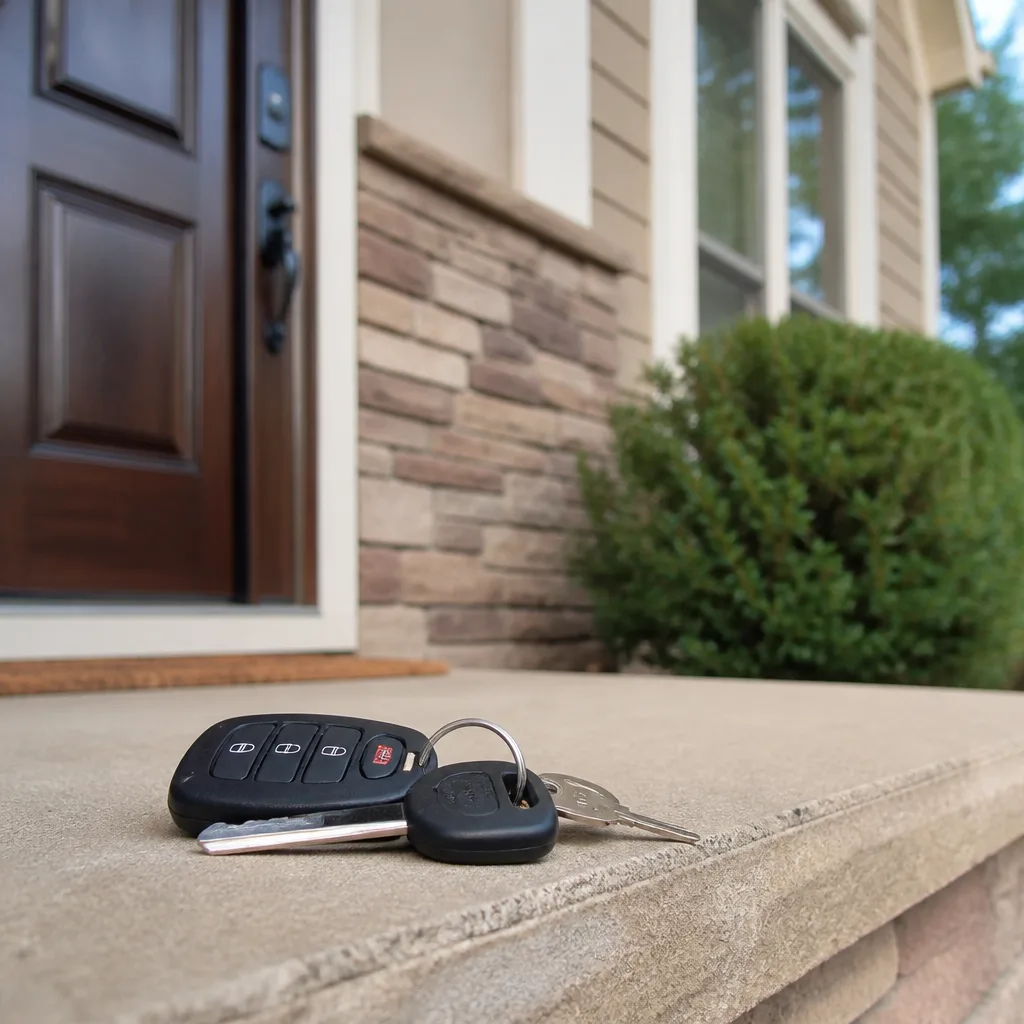 Car keys & fobs
Non-destructive entry first, always - and we re-key Schlage, Kwikset, and Baldwin locks on the spot while you watch
You get a price before we start. It does not change when we arrive. No surprises.
Get your free estimateHow to Hire a Locksmith Contractor in Bellevue: A Step-by-Step Guide
There’s a documented pattern in the locksmith trade that doesn’t get talked about enough: a company runs ads with a local Bellevue number, dispatches a contractor who isn’t trained on the lock they’re about to touch, drills a cylinder that a competent tech could have picked in under five minutes, then hands you an invoice for twice the phone quote. It happened in Bellevue last year, and it happens somewhere in the Seattle metro every week. This guide gives you a repeatable hiring process that filters out bad actors before anyone puts a drill to your deadbolt, and you can find more guides & resources on our blog. By the end, you’ll know exactly what to verify, what to ask, and how to spot a scammer from the first thirty seconds of a phone call.
Styles & brands we work with
Quick Answer
Hiring a locksmith in Bellevue comes down to three steps: verify the company’s Washington State license before you book, ask four specific questions over the phone to confirm you’re talking to a real local shop and not a lead-gen call center, and get a written estimate that names the exact hardware and labor before anyone is dispatched. The legitimate locksmith will welcome all of it. The scam operation will deflect, rush you, or drop the price to close the call.
Table of Contents
- Step 1: Verify the Washington State License in Under Two Minutes
- Step 2: Ask Four Phone Questions That Filter Out Call Centers
- Step 3: Know What a Written Estimate Should Actually Include
- Step 4: Why a Local Bellevue Shop Beats a National Franchise
- Step 5: Red Flags to Watch During the Job
- Step 6: Understanding the Three Core Locksmith Services
- Common Mistakes to Avoid
- When to Call a Professional
- Frequently Asked Questions
- The Bottom Line
Step 1: Verify the Washington State License in Under Two Minutes
Washington requires locksmiths to carry a state-issued license, and the state makes it easy to check. Go to the Washington State Department of Labor & Industries contractor lookup, type in the business name or license number, and confirm the company is listed as active with a locksmith specialty. This takes less than two minutes and it eliminates the most common type of locksmith fraud: the unlicensed operator who buys Google ads, rents a local Bellevue phone number, and sends out a subcontracted tech with no verifiable credentials. For details on the regulatory side, see our guide to Locksmith Permits, Codes & Inspections in WA: What You Need to Know.
Here’s the step-by-step verification process we recommend:
- Ask the company for their Washington State contractor license number on the phone. If they hesitate, stumble, or say they’ll “get back to you,” the call is over.
- Open the Washington State L&I contractor search and enter the number. You want to see the exact business name and a status of “Active.”
- Confirm the license is held by the company name you’re hiring, not a different entity. Shell-company name swaps are a known tactic.
- Check for any complaints or disciplinary actions listed on the L&I record. A clean record isn’t everything, but a pattern of complaints tells you plenty.
- Book the job. Write the license number in your phone’s notes and verify it matches the technician’s paperwork when they arrive.
The Bellevue market sees a steady flow of scams because it’s a wealthy ZIP code with dense multifamily housing and a steady stream of first-time homeowners. That combination makes it a target. A company like Belmont Lock & Key has a documented business presence and a verifiable license, which is exactly the kind of operation you want to confirm before scheduling.
Step 2: Ask Four Phone Questions That Filter Out Call Centers
The biggest structural problem in locksmith hiring is that many of the phone numbers you’ll find online aren’t locksmiths at all. They’re lead-generation call centers, often located out of state, that take your information, then sell the job to the cheapest available tech in the area. The call center agent has never seen a lock cylinder and can’t answer basic technical questions. Your job is to find that out in the first minute of the call.
Ask these four questions, in this order, every single time:
- “What’s your Washington State contractor license number?” A legitimate Bellevue locksmith answers instantly. A call center reads you a script about how “all our technicians are licensed,” which means nothing. You asked for a number.
- “What lock brands do your techs work with most often?” A real locksmith has a specific answer: Schlage and Kwikset for residential, Medeco and Mul-T-Lock for high-security, maybe Baldwin or Yale for decorative hardware. A call center agent says “all brands” or “whatever you have.” The lock brand on your door matters, and so does the locksmith who knows it.
- “Can you quote me a total price over the phone, including labor?” A real locksmith gives you a range based on the service you described. A call center gives you a low teaser number, usually under $40, and won’t commit to anything else. That number is fiction.
- “Where is your shop located?” Ask for a physical address in or near Bellevue. A real company has one. A lead-gen operation says “we service your area” and changes the subject.
If they pass all four questions, you’re probably talking to a real locksmith. If they fail any one of them, especially the license number or the shop address, hang up and call the next company. There’s no shortage of legitimate options in Bellevue, and the cost of skipping this diligence is a drilled lock, an inflated invoice, and a door you can’t secure tonight.
Step 3: Know What a Written Estimate Should Actually Include
The phone estimate is the pre-screen. The written estimate is the contract. Before any technician touches your locks, you should have something in writing, whether emailed or on paper at your door, that itemizes exactly what you’re paying for. Vague language is the primary tool of the locksmith scammer, so learn to read estimates like a contracts attorney.
A legitimate written estimate includes:
- A service call or dispatch fee, stated as a flat dollar amount in writing, not described verbally.
- Labor, quoted as a line item or clearly folded into the total. It should be specific to the job: “labor for deadbolt rekey” is fine. “Labor as needed” is not.
- Hardware, named by brand and model. If they’re replacing a cylinder, the estimate should say Schlage B60 or Kwikset 980, not “new lock.”
- A total price, clearly stated, with tax if applicable.
- Your address and the date of service, so there’s a record of who quoted what and when.
- Accountability. A local shop lives in the same market you do. Bad reviews hurt them directly. A franchise with a registered agent in Delaware doesn’t feel a Yelp complaint the same way.
- Consistency of technicians. Local shops tend to send the same people to Bellevue jobs. You can ask for the tech who did your neighbor’s rekey, and actually get them.
- Hardware fluency. A local locksmith who carries Schlage, Kwikset, Medeco, Baldwin, and Mul-T-Lock inventory can actually show you the lock they’re about to install. A franchise tech often brings whatever’s on the truck.
- Faster and cheaper for repeat work. The same shop that does your Emergency Locksmith in Bellevue callout can rekey the new house when you move. One relationship, one trusted point of contact.
- Calling the first number in the Google ads. The sponsored results at the top of the page are bought, not earned. Scroll past them to the organic listings and start there. The scam operations spend heavily on ads because that’s their entire customer acquisition model.
- Not verifying the license before scheduling. You already know how to do the two-minute check. Skipping it means hiring blind. There’s no excuse for this one.
- Accepting a verbal quote with no written estimate. A phone number quoted without a written record is worth nothing. Get it in writing, whether email or text, before the tech arrives.
- Letting a tech drill without an explanation. This is the single most common way homeowners get overcharged. If the drill comes out, demand to know why picking isn’t working. A real locksmith will explain it without hesitation.
- Believing the “from $19” service fee. In Bellevue, a legitimate locksmith service call alone runs well above that before any labor or hardware. The teaser price exists to get a dollar figure in your head that the final invoice will ignore.
- Not asking about brand expertise. If your new home has Medeco hardware or Baldwin finish work, a tech who only knows Kwikset cylinders isn’t qualified. Ask the brand question every time.
- Paying cash and hoping for the best. Cash payments have no dispute path. A credit card gives you recourse if the work is wrong or the price is inflated. If a Bellevue locksmith won’t take a card, that’s a sign.
What should make you pause: any estimate that uses the phrase “starting at” for labor, any line item labeled “miscellaneous,” any total that’s left blank to be “filled in on site,” or any refusal to put numbers in writing because “it depends on what we find.” A real locksmith in Bellevue has done thousands of jobs and knows what they cost. They can give you a number. Rekey Locks in Bellevue work, for example, is priced per cylinder and quoted up front. There’s no mystery to it.
One more thing about estimates: the price quoted on the phone or in writing should be the price on the invoice. If a company advertises a $29 service call and then arrives with a drill, a “security upgrade” pitch, and a $400 invoice, you’re in a scam. Walk away. Pay the dispatch fee if you agreed to it in writing, and call someone else. The trade has a well-earned reputation for bait pricing, which is why the best Bellevue locksmiths quote real, defensible numbers from the first call.
Step 4: Why a Local Bellevue Shop Beats a National Franchise
Locksmithing is a trade where the local-versus-national distinction matters more than in almost any other service industry. A plumber or electrician working for a national chain still has to pull permits and pass inspections. A locksmith doesn’t. The quality gate is the person in your doorway, and that person is only as good as the shop that trained them, paid them, and stands behind their work.
National locksmith franchises operate on a franchisee model, and the quality varies wildly by territory. Some franchisees run excellent operations. Others buy the brand name, run the ads, and subcontract work to whoever picks up the phone that day. The name on the van isn’t a guarantee of anything. What you want is a company with a local Bellevue presence and a reputation tied to that location.
Here’s what a local shop gives you that a franchise dispatch system can’t:
A local shop also knows the Bellevue housing stock. The neighborhoods here skew toward newer construction with Schlage or Kwikset hardware in the entry-level homes, and a growing number of high-end properties with Baldwin, Medeco, or Mul-T-Lock cylinders. A tech who hasn’t worked in the market might show up with the wrong tools for the wrong lock. Local experience isn’t a marketing phrase. It’s a practical difference in the quality of the work.
Step 5: Red Flags to Watch During the Job
You’ve verified the license, asked the phone questions, and gotten a written estimate. Most of the risk is already gone. But the person at your door is the last line of defense, and there are a handful of behaviors that tell you to stop the job before it gets worse.
Red flag #1: They refuse to show credentials. The tech should be able to produce a Washington State locksmith license or a company ID that matches the business you called. If they get defensive or say they “left it in the truck” and don’t go get it, end the visit.
Red flag #2: They go for the drill immediately. Drilling is sometimes necessary. It’s also slower, messier, and more profitable than picking, which is why scammers drill. A competent locksmith will attempt to pick a standard lock first, and will explain to you why drilling is necessary if it comes to that. If the drill comes out in the first five minutes with no explanation, that’s a signal you’re watching a replacement sale, not a lockout service.
Red flag #3: The price changes after arrival. The estimate said $180. The tech says the door “has a security issue” and now it’s $450. If the work genuinely expanded, a legitimate locksmith will stop, explain the situation, and get your approval on a new written number before proceeding. The scammer just starts drilling and hands you the bill at the end.
Red flag #4: They demand cash only. This is a universal signal. Legitimate Bellevue locksmiths take credit cards, and card payments leave a paper trail. Cash-only demand means they don’t want the trail.
Red flag #5: The invoice doesn’t match the estimate. New line items, unnamed “parts,” extra labor fees. Refuse to pay the difference, photograph the invoice, and contact the company directly. If it’s a real business, they’ll want to know a tech went off-script.
None of these red flags are subtle, and none of them are rare. The scam pattern works because people are stressed, in a hurry to get back inside, and too polite to question someone who appears to be a professional. The professionals don’t mind the questions.
Step 6: Understanding the Three Core Locksmith Services
Most lock work falls into three categories, and knowing which one applies to you will make every conversation with a locksmith faster and clearer. It also helps you avoid paying for a service you don’t need.
1. Emergency Lockout Service
This is the call you make when you’re standing outside your Bellevue house or apartment at 10pm with the keys on the kitchen counter. If you want to prepare before a crisis hits, read our Locksmith Emergency Preparedness Guide for Bellevue Homes. A real emergency locksmith dispatches a tech to your location, verifies you have a right to enter, and gets the door open with minimal damage. Good lockout work is fast and boring. Most standard residential locks can be picked or bypassed without drilling, and the best techs leave no visible damage at all.
2. Car Key Replacement
Modern car keys are less like keys and more like small computers. They have transponder chips, remote programming, and in some cases proximity detection. Replacing one requires a locksmith with automotive programming equipment and access to key codes for your vehicle’s make and model. This is not a generic service, and not every locksmith offers it. Car Key Replacement in Bellevue as a core service means the company invested in the tooling and training to handle it properly, rather than treating it as an afterthought. If you’ve lost all your car keys, this is the service you need.
3. Rekeying
Rekeying is the smartest security upgrade most people overlook. Instead of replacing the entire lock, a locksmith reconfigures the cylinder so the old keys stop working and a new key operates the lock. This is what you want after moving into a new Bellevue home, after a roommate or tenant leaves, or after a key goes missing. It costs a fraction of new hardware and achieves the same security outcome: the old key becomes useless. From Kwikset to Medeco, the principle is the same. The locksmith adjusts the pins, cuts new keys, and your old hardware stays but your old access disappears.
Common Mistakes to Avoid
Most bad locksmith hires share the same root causes. If you avoid these, you’ve done ninety percent of the work.
When to Call a Professional
There’s a temptation with locksmith work to attempt it yourself, and YouTube will happily show you how to rekey a cylinder or replace a deadbolt. Some of that is reasonable DIY territory, like swapping out a knob on an interior door. But the moment you’re dealing with an exterior lock, a car key with a chip, or a high-security cylinder, the stakes jump. A botched rekey can leave your door vulnerable without you knowing it. A botched car key programming can leave your vehicle immobilized. And a lockout in Bellevue at night isn’t the time to learn lockpicking. Belmont Lock & Key offers free estimates in Bellevue. Call (855) 473-2502 before you drill anything.
Frequently Asked Questions
A straightforward lockout in Bellevue typically runs $120 to $280, including the service call and labor. A rekey typically runs $20 to $35 per cylinder plus the service fee, so a standard three-door house rekey lands around $150 to $250. Car key replacement varies by vehicle, from around $180 for a basic transponder key to $500 or more for a proximity key with programming. The full price should be quoted on the phone before anyone is dispatched, and that price should be the price on the invoice. Call (855) 473-2502 for an exact quote, estimates are free.
It should be, and at a legitimate company it is. The phone quote should include the service call, labor, and any expected hardware, stated as a total before anyone gets in a truck. If the work scope changes once the tech sees the lock, a legitimate locksmith will get your written approval on a new number before proceeding. A company that quotes low and invoices high is running a bait-pricing model, and it’s one of the most common complaints against locksmiths in the Seattle metro.
Yes. Washington State requires locksmiths to hold a contractor’s license issued by the Department of Labor & Industries. You can verify any company’s license number online in under two minutes. If a locksmith can’t provide a license number on the phone call, do not book the job.
Rekeying is almost always the better choice. It changes the internal pins so all old keys are rendered useless, and it costs a fraction of replacing the hardware. The only reason to replace locks is if the hardware is damaged, worn out, or you want to upgrade to a different finish or security grade. For most new homeowners in Bellevue, a full-home rekey on day one is one of the highest-value security moves you can make.
Response time varies by time of day, traffic, and the location of the nearest available tech. Most emergency lockout calls in Bellevue are answered within thirty to sixty minutes from dispatch. When you call, ask for a specific estimated arrival window and get it in writing via text if possible.
A competent residential locksmith should be fluent in Schlage and Kwikset, the two most common brands in Bellevue homes. Beyond that, look for experience with Medeco, Mul-T-Lock, Baldwin, or Yale. Those brands appear in higher-end homes and commercial properties, and they require specialized keyways and tooling. Medeco and Mul-T-Lock in particular are high-security lines that many locksmiths won’t touch. The lock brand on your door matters, and so does the locksmith who knows it.
The Bottom Line
Hiring a locksmith in Bellevue is a process, not a panic decision. Verify the Washington State license before you book. Ask the four phone questions to filter out call centers. Get a written estimate with named hardware and a total price. Watch for the drill, the cash-only demand, and the arrival-time price bump. If a company passes every step without hesitation, you’ve almost certainly found a legitimate operator. If they resist at any point, walk away. Bellevue has a real locksmith market with real professionals. The process in this guide is how you find them.
Written by the team at Belmont Lock & Key, serving Bellevue since 2013.