Last updated October 30, 2026
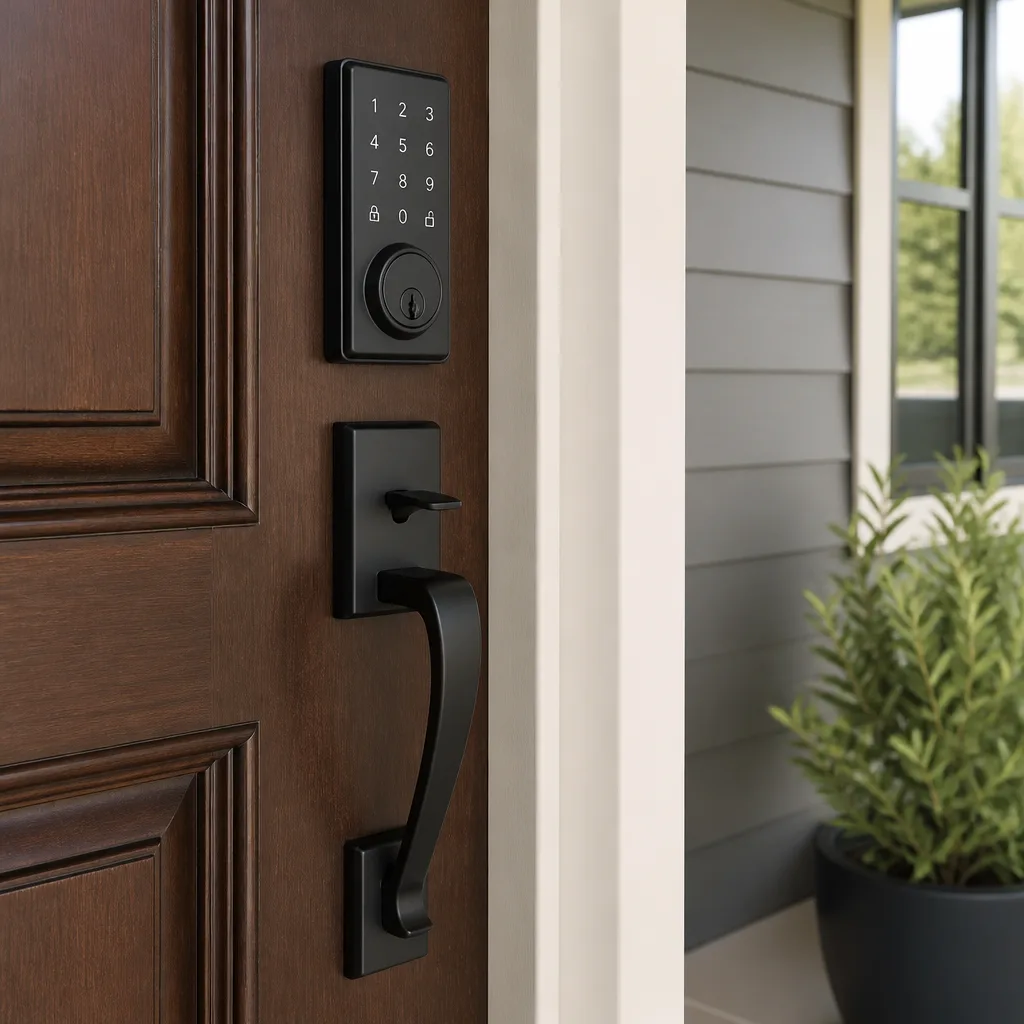 Smart locks
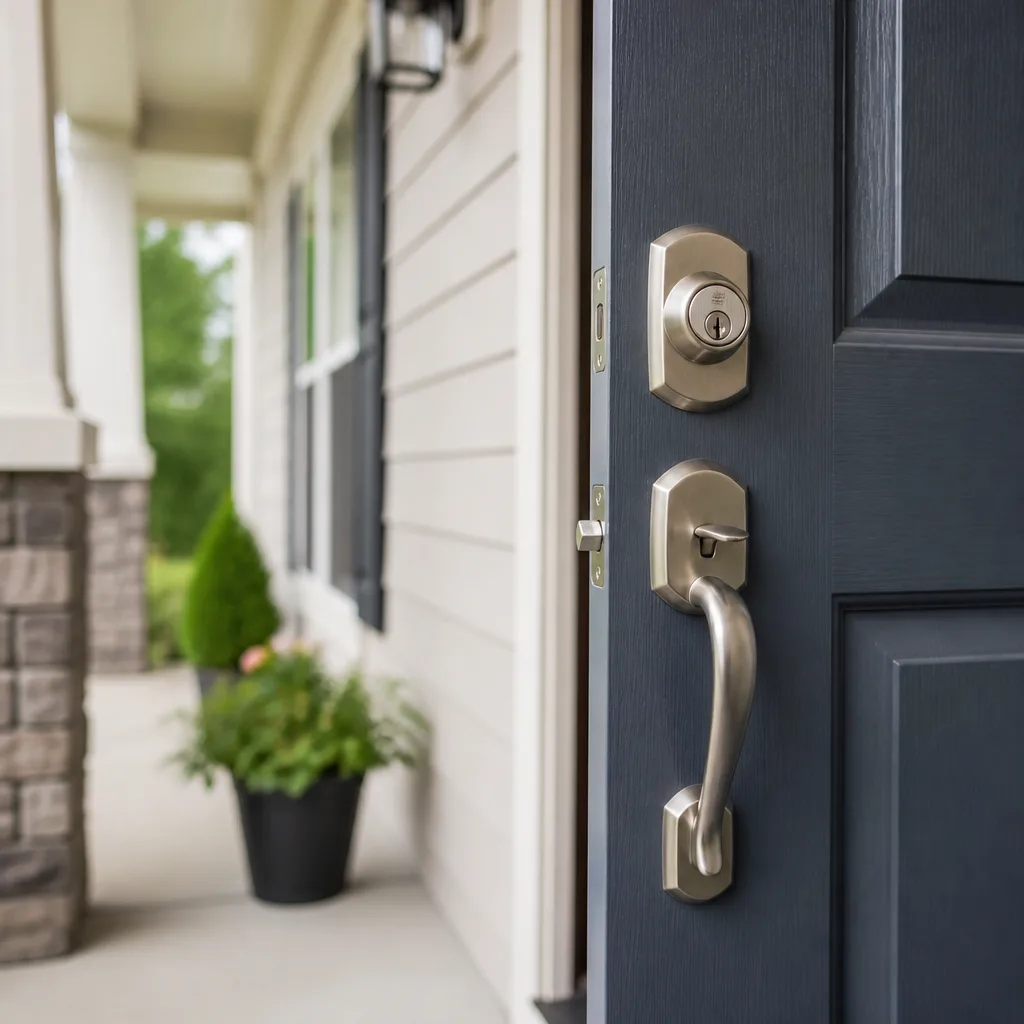 House lockouts
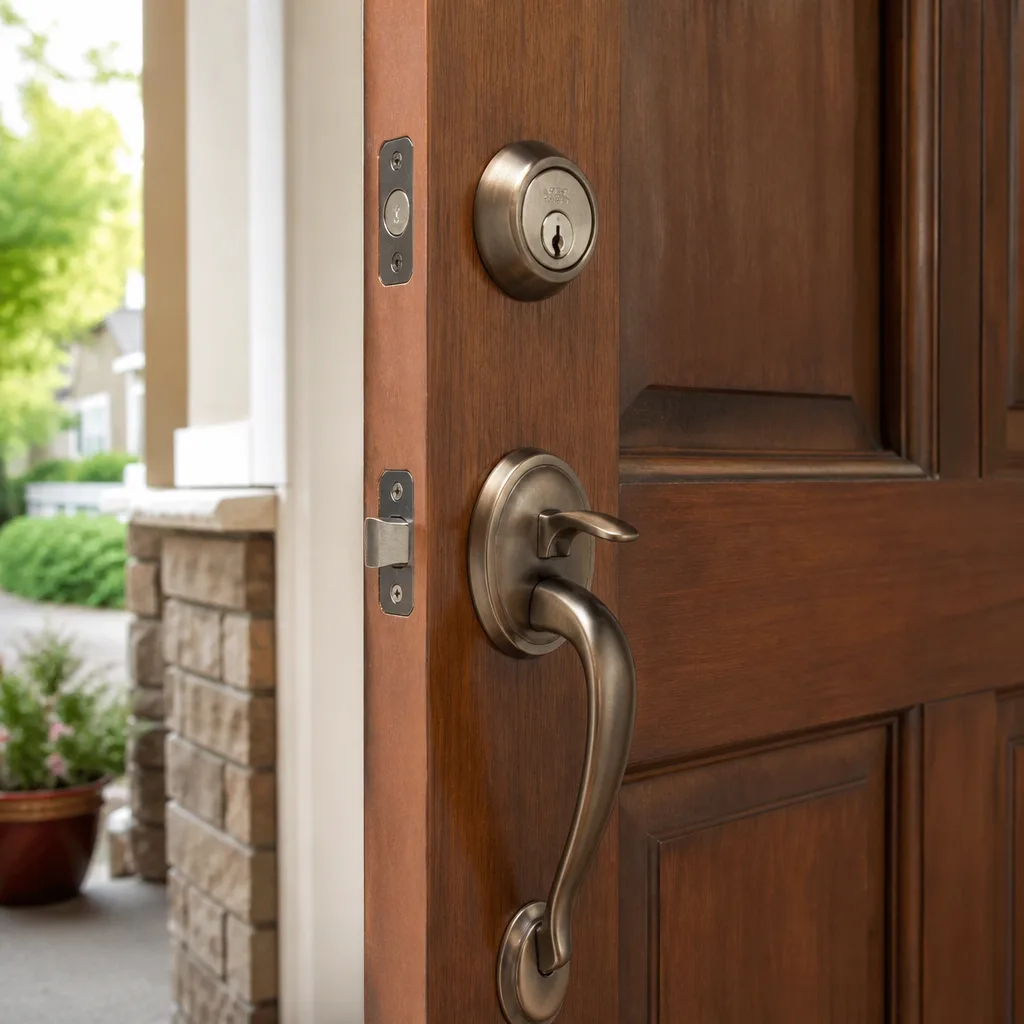 Re-keying
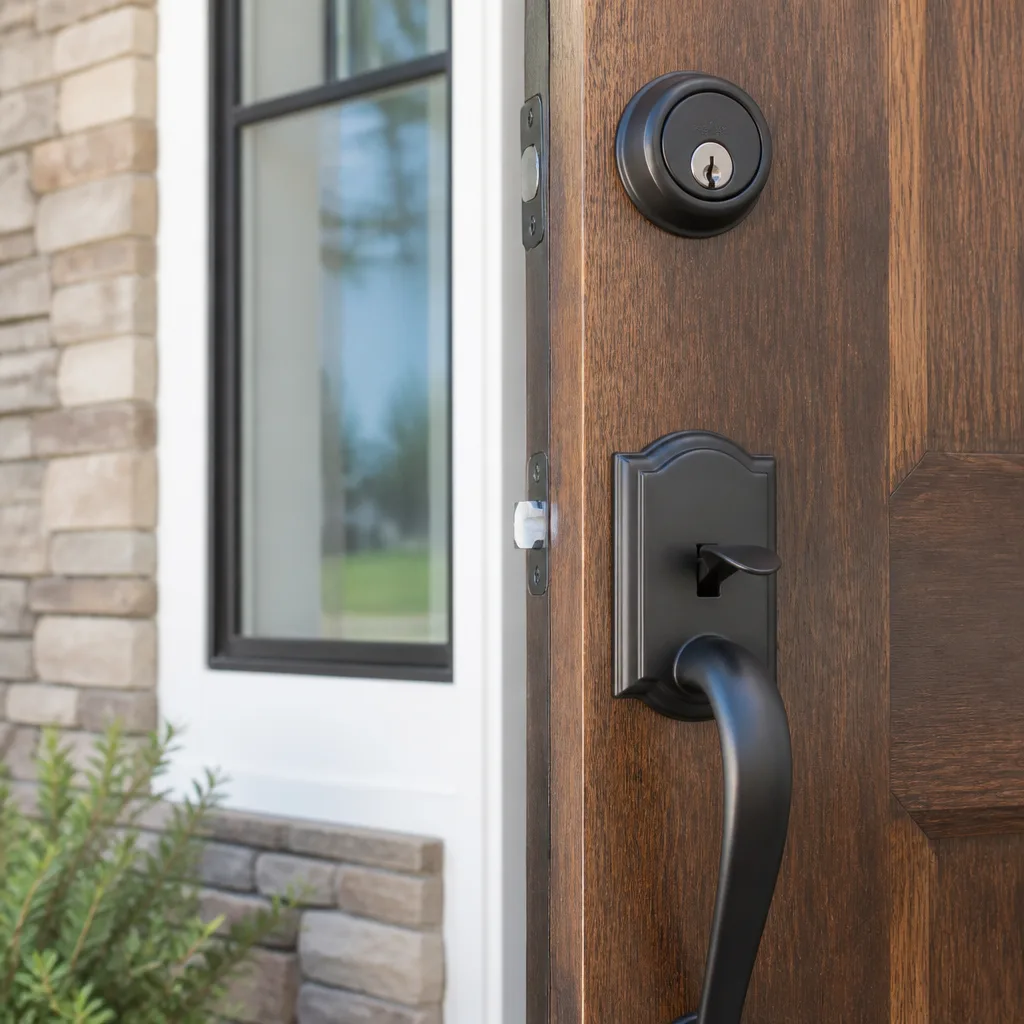 Deadbolt upgrades
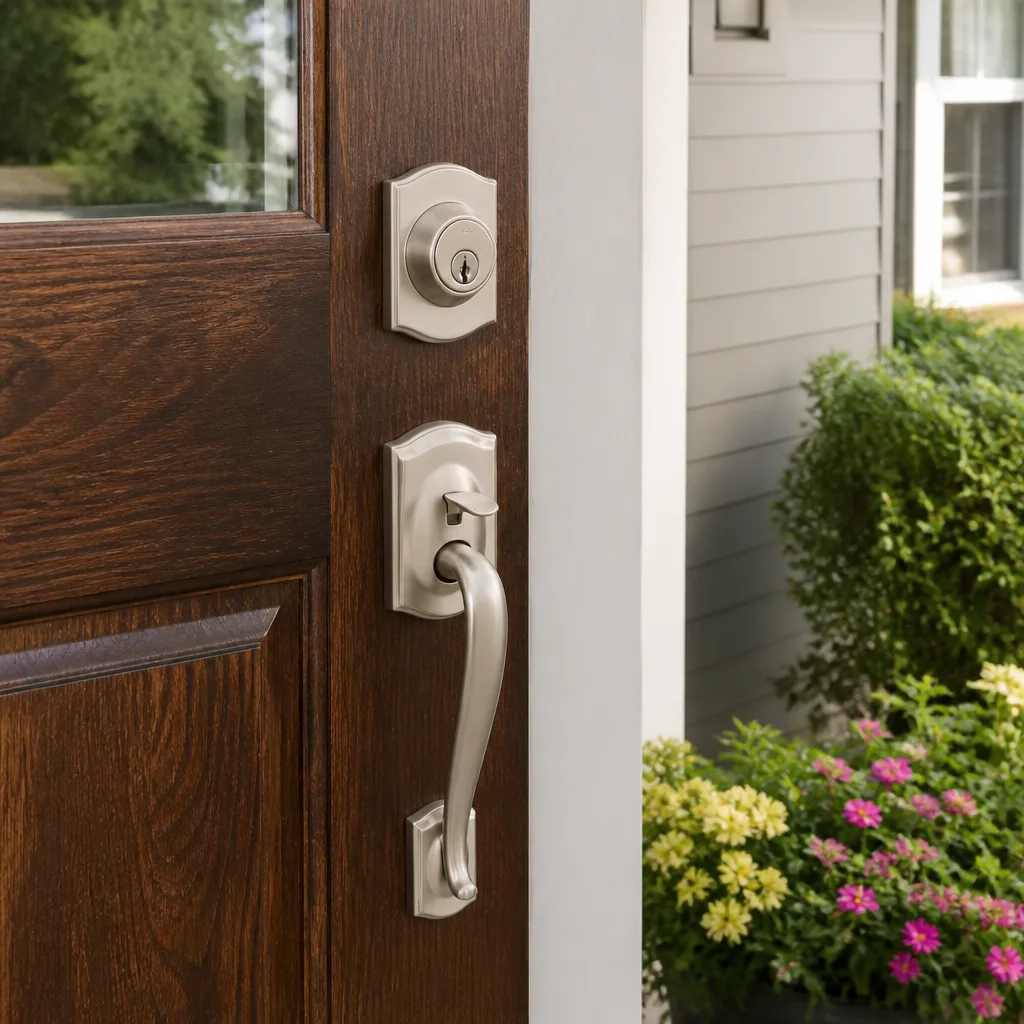 Schlage
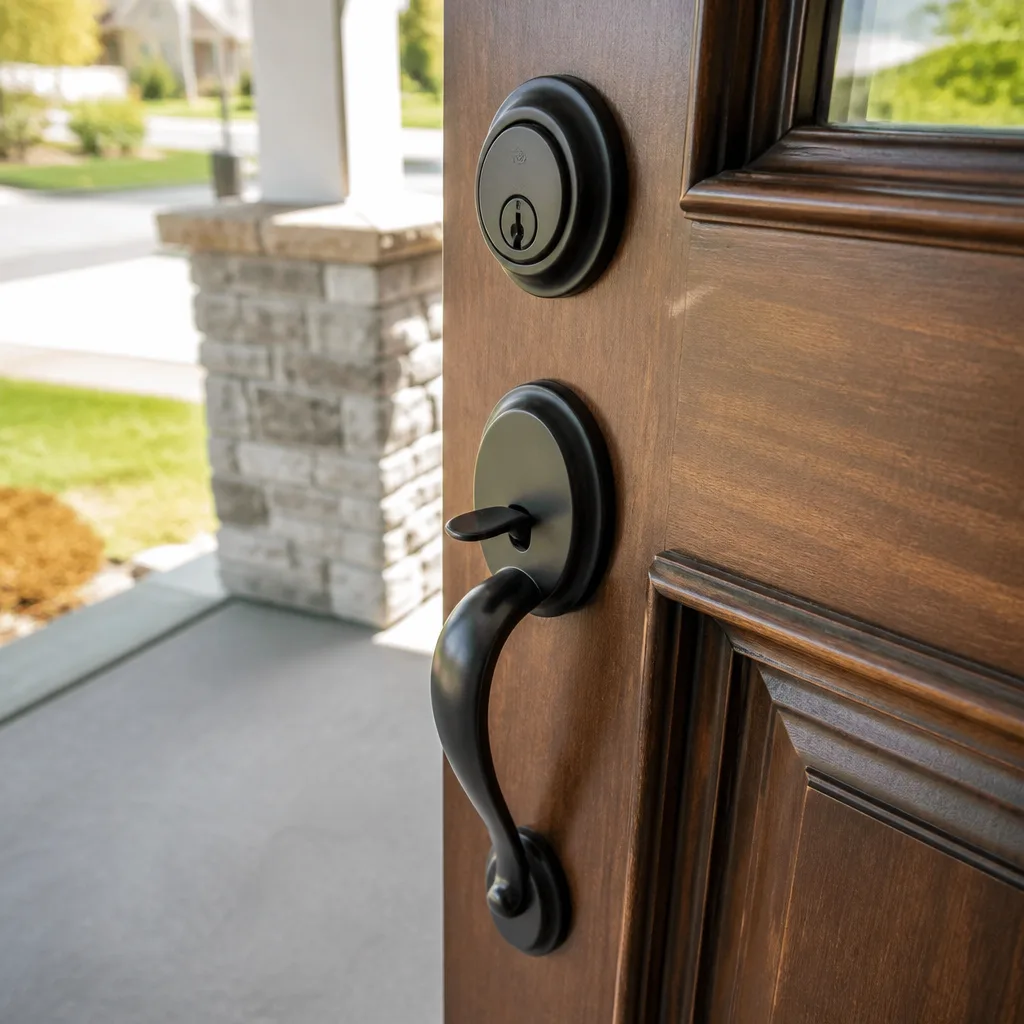 Kwikset
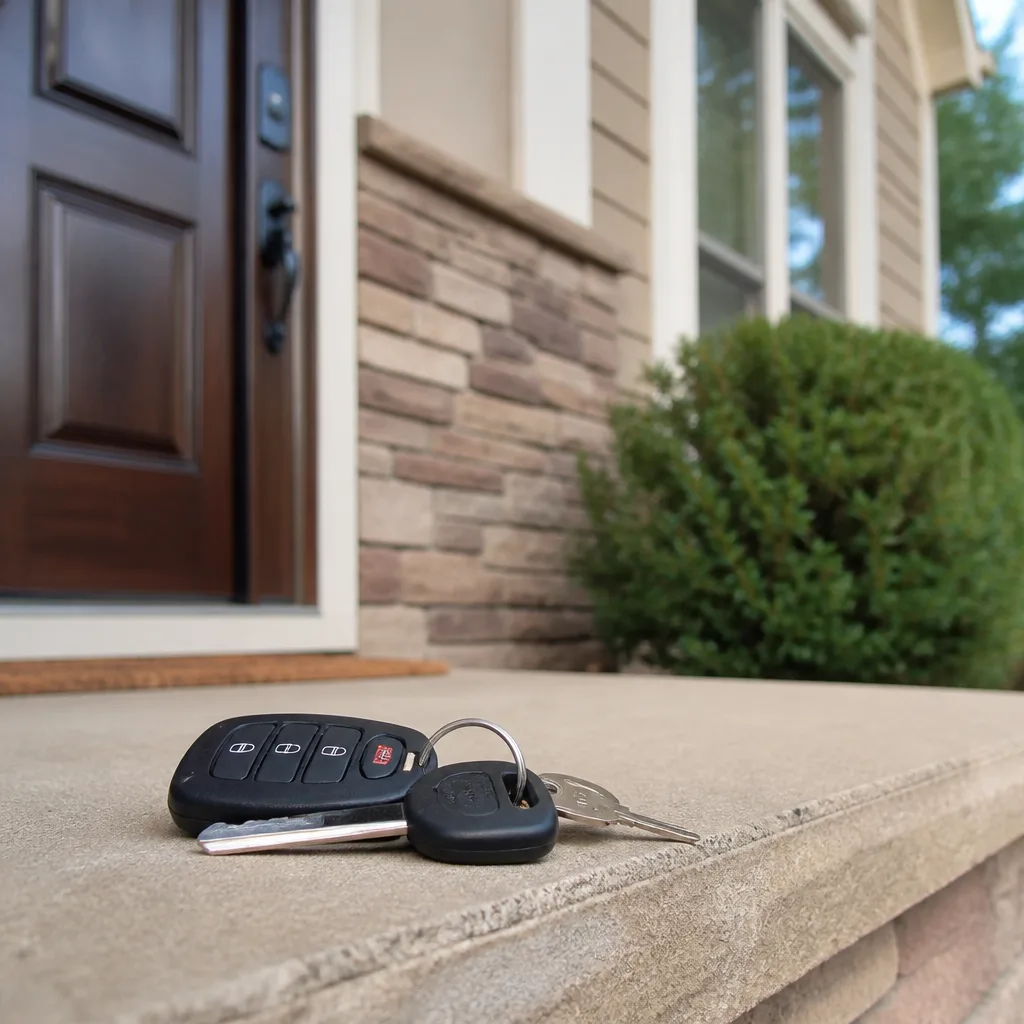 Car keys & fobs
Non-destructive entry first, always - and we re-key Schlage, Kwikset, and Baldwin locks on the spot while you watch
You get a price before we start. It does not change when we arrive. No surprises.
Get your free estimateLocksmith Permits, Codes & Inspections in WA: What You Need to Know
Washington is one of only a handful of states that licenses locksmiths at the state level. That sounds reassuring until you learn enforcement is almost entirely complaint-driven. What that means in practice: unlicensed locksmiths operate across Bellevue, King County, and the rest of Washington every single week, and homeowners who hire them absorb the financial and legal risk when something goes wrong. This guide explains exactly what Washington requires of locksmiths, which lock installations trigger building permits or code review in Bellevue, and how to protect yourself before you hand over your keys or your cash. For more guides & resources, see our blog.
Styles & brands we work with
Quick Answer
Washington State requires locksmiths to hold a valid license issued by the Department of Licensing, and homeowners should verify that license against the DOL’s online database before any work begins. Most single-family home lock changes and rekeys do not require a building permit in Bellevue, but commercial properties, multi-unit buildings, and any hardware that affects fire egress or ADA compliance can trigger code review and permitting. The liability gap between hiring a licensed locksmith and an unlicensed one is real, and knowing the difference starts with understanding what the license actually verifies.
Table of Contents
- What Washington’s Locksmith License Actually Requires
- How to Verify a Washington Locksmith License (Step by Step)
- Which Lock Installations Trigger Permits in Bellevue
- Residential vs. Commercial: Different Codes, Different Standards
- What ‘Bonded and Insured’ Actually Means in Practice
- The Liability Gap: What Happens When an Unlicensed Locksmith Damages Your Property
- How to Check If Your Existing Locks Are Code-Compliant
- Common Mistakes to Avoid
- When to Call a Professional
- Frequently Asked Questions
- The Bottom Line
What Washington’s Locksmith License Actually Requires
The Washington State Department of Licensing issues locksmith licenses under RCW 18.260, a statute that went on the books because consumers kept getting burned by unscrupulous operators. To get licensed, an applicant must submit to a fingerprint-based background check through the Washington State Patrol and the FBI, complete a locksmith training program or demonstrate equivalent experience, and carry a surety bond. The bond amount sits at $15,000, which is modest but meaningful: it exists to compensate consumers when a locksmith’s work causes financial harm.
Here’s what that license does not mean. It does not certify skill level. It does not test whether the locksmith can rekey a Medeco cylinder or cut an automotive transponder key. It also does not guarantee the locksmith has liability insurance. Licensing in Washington is a baseline of trust, not a mark of craftsmanship. That matters because a license number on a website or a van door tells you the person passed a background check and bought a bond. It does not tell you whether they can handle high-security hardware from brands like Abloy or Mul-T-Lock without butchering the lock.
In our experience servicing Bellevue homes and businesses, we regularly encounter locks installed or serviced by unlicensed individuals who did not understand the hardware they were touching. A Schlage deadbolt is forgiving. An Abloy Protec2 cylinder is not. The state license gives you recourse. It gives you a bond to claim against. That is its real value.
The takeaway for homeowners: a license is a floor, not a ceiling. Verify it, yes. But also ask what brands the locksmith is trained to service. A locksmith who only works on Kwikset is not the right call for a Baldwin mortise lock or a Sargent commercial lever set.
How to Verify a Washington Locksmith License (Step by Step)
Verifying a locksmith’s license in Washington takes about 90 seconds, and it is the single most effective step you can take before hiring anyone. The Department of Licensing maintains a free public lookup tool that shows license status, issue date, expiration date, and any disciplinary actions on file.
- Go to the Washington State Department of Licensing website and open the “Verify a License” tool.
- Select “Locksmith” from the profession dropdown menu.
- Enter the license number printed on the locksmith’s vehicle, website, or business card. If you don’t have the number, search by the business name or the individual’s first and last name.
- Check that the license status reads “Active.” Suspended, expired, or revoked licenses are a hard stop.
- Look at the “Actions” or “Disciplinary” section. Any complaints filed against the license will appear there.
- Confirm the business name on the license matches the name on the invoice you will be paying. Mismatches are a common red flag.
One caveat worth knowing: the DOL database updates in real time, but enforcement actions can lag. If you want extra assurance, ask the locksmith for their bond information directly. The surety company that underwrites the bond is required to confirm the bond is current, and a legitimate locksmith will have no problem providing that information within minutes.
In Bellevue, we tell every customer the same thing: if a locksmith hesitates to give you their license number, that is the entire conversation. You move on to the next call. The legitimate operators in this market do not hide their credentials.
Which Lock Installations Trigger Permits in Bellevue
Most homeowners assume that changing a lock never requires a permit. That assumption is correct for the majority of single-family home lock changes, deadbolt replacements, and rekeys in Bellevue. But the City of Bellevue’s building code, which adopts the International Building Code with local amendments, draws a clear line between routine lock replacement and work that changes a door’s function or fire rating.
A standard rekey or deadbolt swap on an existing residential door needs no permit. You are not altering the door, the frame, the fire rating, or the egress path. But these scenarios in Bellevue do trigger code review, and sometimes a permit:
- Installing a lock on a door that previously had no lock or hardware, especially in a commercial or multi-family building, where door hardware is part of the fire-rated assembly.
- Replacing panic bars, crash bars, or fire exit hardware on any commercial door. Egress hardware falls under the Bellevue Fire Department’s jurisdiction and must meet NFPA 101 life safety code.
- Installing electrically controlled locks, access control systems, or mag locks that interface with a fire alarm or elevator recall system. This work requires coordination with the fire marshal’s office.
- Installing double-cylinder deadbolts on rental units or any dwelling with more than one residential unit. Washington state code limits double-cylinder deadbolts in multi-family settings because they can trap occupants during a fire.
- Any hardware change on a door in a rated wall. If the door is in a 90-minute fire-rated corridor in a Bellevue office building, the replacement hardware must carry a matching fire rating label.
The practical rule: if you are in a single-family home in Bellevue and you are swapping out a standard deadbolt or having your existing locks rekeyed, you almost certainly do not need a permit. If you are in a commercial building, an apartment complex, or a building with fire-rated doors, assume the work needs review until proven otherwise. The City of Bellevue’s permit portal and the Bellevue Fire Department both field these questions daily, and both will tell you the same thing: egress hardware and fire-rated assemblies are not casual DIY territory.
Residential vs. Commercial: Different Codes, Different Standards
The difference between residential and commercial lock regulations in Bellevue comes down to occupancy and egress. A single-family home is governed by the International Residential Code, which is comparatively relaxed when it comes to door hardware. A commercial building in downtown Bellevue or the Bel-Red corridor is governed by the International Building Code and the International Fire Code, and those are a different animal entirely.
Commercial doors must meet fire rating requirements. If a door assembly is rated for 90 minutes of fire resistance, every piece of hardware on that door, including the lock, the latch, the hinges, and the closer, must carry a label certifying that it meets the same rating. You cannot put a residential grade Kwikset deadbolt on a commercial fire door and call it compliant. It will fail inspection, and potentially worse, it will fail during a fire.
Multi-family buildings in Bellevue, including the apartment complexes in the Crossroads and Lake Hills neighborhoods, occupy a middle space. Individual unit doors need to meet the same egress standards as commercial occupancies: no double-cylinder deadbolts, no locks that require a key to exit from the inside, and hardware that opens with a single motion. Common area doors, stairwell doors, and any door that serves as an exit path must meet commercial egress hardware standards. That means panic hardware, lever handles rather than knobs in many cases, and closers that meet ADA force requirements.
ADA compliance deserves its own mention because it is the most commonly overlooked standard in commercial lock work. The Americans with Disabilities Act requires that doors in public accommodations open with no more than five pounds of force, and that hardware be operable with one hand without tight grasping, pinching, or twisting of the wrist. Knob-style locks on commercial doors in Bellevue fail this test. Lever handles pass. A locksmith who does not know the difference can cost a building owner thousands in retrofit work.
For homeowners, none of this applies to a Bellevue single-family house. But if you own a rental property, a small office, or a mixed-use building, the code requirements are real and they are enforced. The City of Bellevue does not inspect lock work on existing single-family homes. It absolutely inspects commercial occupancy changes and new construction, and a non-compliant lock will hold up a certificate of occupancy.
What ‘Bonded and Insured’ Actually Means in Practice
The phrase “bonded and insured” appears on so many locksmith websites and van decals that it has nearly lost all meaning. In Washington, the bond is a requirement of licensure; you cannot hold an active locksmith license without holding a current $15,000 surety bond. Insurance is different. It is not required by the state, and a locksmith can be licensed and bonded while carrying zero liability insurance. That is legal, and it happens.
A surety bond is not insurance for the locksmith. It is a financial guarantee to the consumer. If a licensed locksmith damages your door, your frame, or your vehicle during a service call and refuses to make it right, you can file a claim against the bond. The surety company pays out up to the bond amount, then goes after the locksmith to recover the money. The bond is real protection, but it is finite. Fifteen thousand dollars covers a lot of door repairs. It does not cover a destroyed car door on a modern vehicle where the lock body is integrated into the door module.
Liability insurance works differently. It covers the locksmith’s legal obligation to you when the damage exceeds the bond, or when the damage involves something the bond does not cover. General liability policies for locksmith work typically run from $500,000 to $2 million in coverage, and any locksmith doing automotive work in Bellevue or surrounding areas should also carry garage-keepers liability, which covers damage to a customer’s vehicle while it is in the locksmith’s care.
What to ask before you hire:
- “Can you give me your Washington locksmith license number?” Then verify it on the DOL database.
- “Do you carry liability insurance, and what is the coverage amount?” Ask for a certificate of insurance if the job is significant.
- “Is your bond current, and who is the surety company?” A legitimate locksmith answers this without hesitation.
- “For auto work specifically: do you carry garage-keepers liability coverage?” This question separates full-service automotive locksmiths from generalists.
Belmont Lock & Key maintains the state-required bond for licensing and carries liability coverage appropriate to the scope of work we perform. If you are comparing locksmiths in Bellevue, ask the questions above. The answers will tell you more about a company than any website does.
For context on the full range of residential work a proper locksmith should handle, see our Belmont Lock & Key home page, which outlines the three service pillars we built the company around.
The Liability Gap: What Happens When an Unlicensed Locksmith Damages Your Property
Here is the scenario we hear about most in Bellevue: a homeowner gets locked out, searches online, calls the first number that appears, and gets a technician who drills the lock, installs a replacement cylinder that does not match the existing hardware, and charges $300 for the privilege. These are the Locksmith Warning Signs: A Bellevue Homeowner’s Reference Guide we warn customers about. Then the door sticks. Then the finish on the new lock does not match the Baldwin hardware on the rest of the house. Then the locksmith does not answer the phone.
At that point, the homeowner discovers that the person they hired was not licensed. There is no bond to claim against. There is no DOL complaint that leads anywhere productive. And because the technician was an independent operator working under a rented brand name, there is no business entity with assets to pursue. The homeowner eats the cost of a proper repair, and the unlicensed operator moves on to the next call.
This is the liability gap. It is not theoretical. It is the direct consequence of Washington’s complaint-driven enforcement model. The state does not proactively police unlicensed locksmith work. It waits for complaints, and by the time a complaint is filed, the homeowner has already absorbed the loss. The DOL can fine an unlicensed operator, and it occasionally does, but the fine does not compensate the homeowner. It just punishes the offender, and only if they can be located.
Licensed locksmiths in Washington carry the $15,000 bond specifically because this pattern was so common that the legislature stepped in. The bond gives you a real mechanism for recovery. Unlicensed operators have no bond, which means your only recourse is small claims court, and good luck serving papers on someone who operates from a cell phone and a rented van.
The lesson from Bellevue’s market specifically: the city’s high number of short-term rental units, apartment conversions, and tech-industry turnover means property owners are constantly hiring locksmiths on short notice. That pressure creates opportunity for unlicensed operators. Slowing down long enough to verify a license takes two minutes and eliminates the largest single risk in the transaction.
When we’re called to fix lock work done by someone else, the damage is usually predictable: misaligned strikes, cylinders installed without the proper tailpiece, finish mismatches, and deadbolts that bind under seasonal expansion. For tips on avoiding this, see our Seasonal Locksmith Care for Bellevue: Year-Round Homeowner’s Guide. Fixing that kind of work costs more than doing it right the first time. We see this across Bellevue, from older homes in the Wilburton area to newer construction in Eastgate.
How to Check If Your Existing Locks Are Code-Compliant
If you bought a home in Bellevue recently, or if you inherited locks from a previous owner, you may be wondering whether your current hardware meets code. For a single-family home, the compliance bar is low but not zero. For a rental or commercial property, the bar is meaningfully higher.
Here is a practical checklist that walks through the most common code issues we find:
- Check for double-cylinder deadbolts on residential exits. A double-cylinder deadbolt requires a key to open from the inside. If your Bellevue home has one on a door that serves as an emergency exit, and especially if you have children or elderly residents, it is a fire safety hazard and violates egress expectations for any multi-unit dwelling. Single-family homes are not uniformly prohibited from having them, but the Bellevue Fire Department and every fire safety organization strongly recommends against them on primary exits.
- Test every door for single-motion egress. Stand inside the room, and try to exit using one motion with no key. If you have to unlock a deadbolt, twist a knob, and pull a handle separately, the door may not meet egress requirements for rental or commercial occupancy. Residential code is looser, but the test is still worth doing.
- Check commercial doors for lever hardware. If you own a small office, retail space, or any property open to the public in Bellevue, knob-style locks on entry doors likely violate ADA requirements. The fix is a lever handle, and the retrofit is straightforward for a locksmith equipped to work on commercial hardware.
- Look for fire-rated labels on any commercial or multi-family door. Open the door and look at the edge near the hinges. You should see a metal label or stamp indicating the fire rating. If the lock hardware on that door does not carry a matching rating, the assembly is non-compliant.
- Inspect strike plates and frame integrity. Code-compliant egress hardware must be mounted securely enough to function under stress. A loose strike plate with short screws is not a code violation on a single-family home, but it is a security weakness and a sign that the original installation was substandard.
- Check for keyed entry on fire exit stairwells. In commercial and multi-family buildings in Bellevue, stairwell doors must allow re-entry at no less than every four floors, and exit doors must never require a key from the egress side. If you can exit a stairwell into the building only with a key, the building has a fire code problem.
If any of these checks raise a question, the next step is a conversation with a locksmith who understands both the hardware and the code context. Not every lock problem is a code problem, but every code problem costs more to fix after the fact than before. For residents and property managers in Bellevue who want a second set of eyes on existing hardware, we perform code-compliance reviews as part of our standard locksmith assessment.
If you’ve recently purchased a home or taken over a lease and want your locks changed or rekeyed, our Rekey Locks in Bellevue service covers exactly that scenario, including compliance checks on the existing hardware.
Common Mistakes to Avoid
- Hiring based on price before verifying the license. An unlicensed locksmith can undercut legitimate operators because they skip the bond, the insurance, and the background check. The savings almost never survive contact with reality. In Bellevue, a $49 lockout special that turns into a $400 drilled-and-replaced lock is a pattern, not an exception.
- Assuming a permit is never required for lock work. True for most single-family home rekeys and deadbolt swaps in Bellevue. False for commercial doors, fire-rated assemblies, panic hardware, and access control systems. If the building has an occupancy permit, the rules are different.
- Installing double-cylinder deadbolts on rental units. Landlords sometimes think a double-cylinder deadbolt protects a vacant unit from break-ins through glass. What it actually does is create a fire hazard that violates egress requirements for multi-family occupancy and exposes the landlord to liability if a tenant is trapped during an emergency.
- Buying lock hardware from big-box stores without checking compatibility. The lock at the home center is cheap for a reason. It may not match the backset, the door thickness, or the finish of your existing hardware. We see Bellevue homeowners regularly replace a perfectly serviceable Baldwin lock with a hardware-store Kwikset because the package said “universal fit,” then call us when the door does not latch properly.
- Ignoring the bond and insurance question entirely. Most people never ask. The ones who do ask get answers that tell them everything they need to know. A locksmith who cannot produce a license number and bond information within a minute is not a locksmith you want touching your door, your car, or your commercial property.
- Treating automotive locksmith work as interchangeable with residential work. Modern car key programming requires vehicle-specific diagnostic equipment and up-to-date software. A locksmith who focuses on homes is not automatically qualified to cut and program a key for a late-model vehicle. The tooling investment is significant, and shopping on price alone for car key work in Bellevue leads to damaged ignition cylinders and bricked key fobs.
- Not documenting the condition of your door and hardware before work begins. Take photos. If a locksmith damages your property, the photos are your evidence. If they do the job right, the photos cost you nothing.
When to Call a Professional
If the job involves a commercial door, a fire-rated assembly, an access control system, or any hardware that affects how people exit a building in an emergency, that is not a DIY project, and it is not a job for a handyman with a drill. The code context alone justifies a professional who understands Bellevue’s adoption of the IBC and IFC and who works with rated hardware regularly. A licensed locksmith who can service Schlage, Kwikset, Medeco, and Abloy will also understand the difference between a residential deadbolt and a fire-rated mortise lock. That difference matters more than the price of the call. Belmont Lock & Key offers free estimates in Bellevue – call (855) 473-2502 to talk through your lock situation before you commit to anything.
Frequently Asked Questions
Licensed locksmith work in Bellevue typically runs $90 to $180 for a service call plus the cost of parts and labor, depending on the job. A standard rekey on a single door generally falls in the $60 to $120 range in labor, while car key replacement can run from $150 to $450 depending on the vehicle’s year, make, and key type. See our Car Key Replacement Maintenance Checklist for Bellevue Homeowners for ways to protect your investment. High-security hardware from brands like Medeco or Abloy carries a higher price because the cylinders and the labor to service them are more specialized. Call (855) 473-2502 for an exact quote – estimates are free, and the price we quote on the phone is the price on the invoice.
With a legitimate Bellevue locksmith, yes. The Washington locksmith trade has a well-documented problem with bait pricing, where a low quote on the phone becomes a much higher charge on site. At Belmont Lock & Key, the full price is quoted before anyone is dispatched, and there is no call-out surcharge added on arrival. If another locksmith will not commit to a price over the phone, treat that as a warning sign and call someone else.
Yes. Rekeying existing locks on a single-family home in Bellevue requires no permit and no city inspection. The work does not alter the door, the frame, or the fire rating of the assembly. The same is generally true for replacing a standard deadbolt or entry knob on a residential door. Permits and code review enter the picture when the door is in a commercial building, a multi-family building, or carries a fire rating.
Go to the Washington State Department of Licensing website, open the “Verify a License” tool, select “Locksmith” from the profession list, and search by license number or business name. An active license status means the locksmith passed a fingerprint-based background check and holds the required $15,000 surety bond. No license, no hire. Call (855) 473-2502 if you’d like us to walk you through the verification steps.
The Washington locksmith bond covers consumer losses caused by a licensed locksmith’s unlawful or incompetent work. If a locksmith damages your door, your vehicle, or your property and refuses to fix it, you can file a claim against the bond with the surety company. The bond is not insurance for the locksmith, and it is not a guarantee of workmanship. It is a consumer protection mechanism that only licensed locksmiths are required to carry.
Yes. Automotive key replacement requires programming equipment that is specific to each vehicle manufacturer, and the cost is driven by the key type, not the locksmith’s hourly rate. A basic transponder key for an older vehicle is relatively inexpensive. A proximity key or keyless entry fob for a late-model vehicle requires dealer-level programming tools and costs more. Our Car Key Replacement in Bellevue service is built around that tooling, not bolted onto a residential shop.
Verify the locksmith’s license before you agree to anything, even in an emergency. The two minutes it takes to check the DOL database are the difference between a legitimate $100 to $200 lockout call and a $400 nightmare with a drilled lock and a replacement cylinder that does not match your hardware. Our Emergency Locksmith in Bellevue page explains what to expect from a legitimate emergency call, including how pricing works and how fast we can typically respond.
The Bottom Line
Washington’s locksmith licensing exists to protect you, but it only works if you verify it. The state license confirms a background check and a $15,000 bond; it does not confirm skill, and it does not replace insurance. Most lock work on single-family homes in Bellevue needs no permit, but commercial, multi-family, fire-rated, and ADA-relevant hardware is a different world where a code mistake costs real money. Before you hire anyone, check the license, ask about the bond and insurance, and verify that the locksmith understands the hardware you have. Two minutes of verification prevents the most expensive 30 seconds in the trade. Written by the team at Belmont Lock & Key, serving Bellevue since 2013.