Last updated October 30, 2026
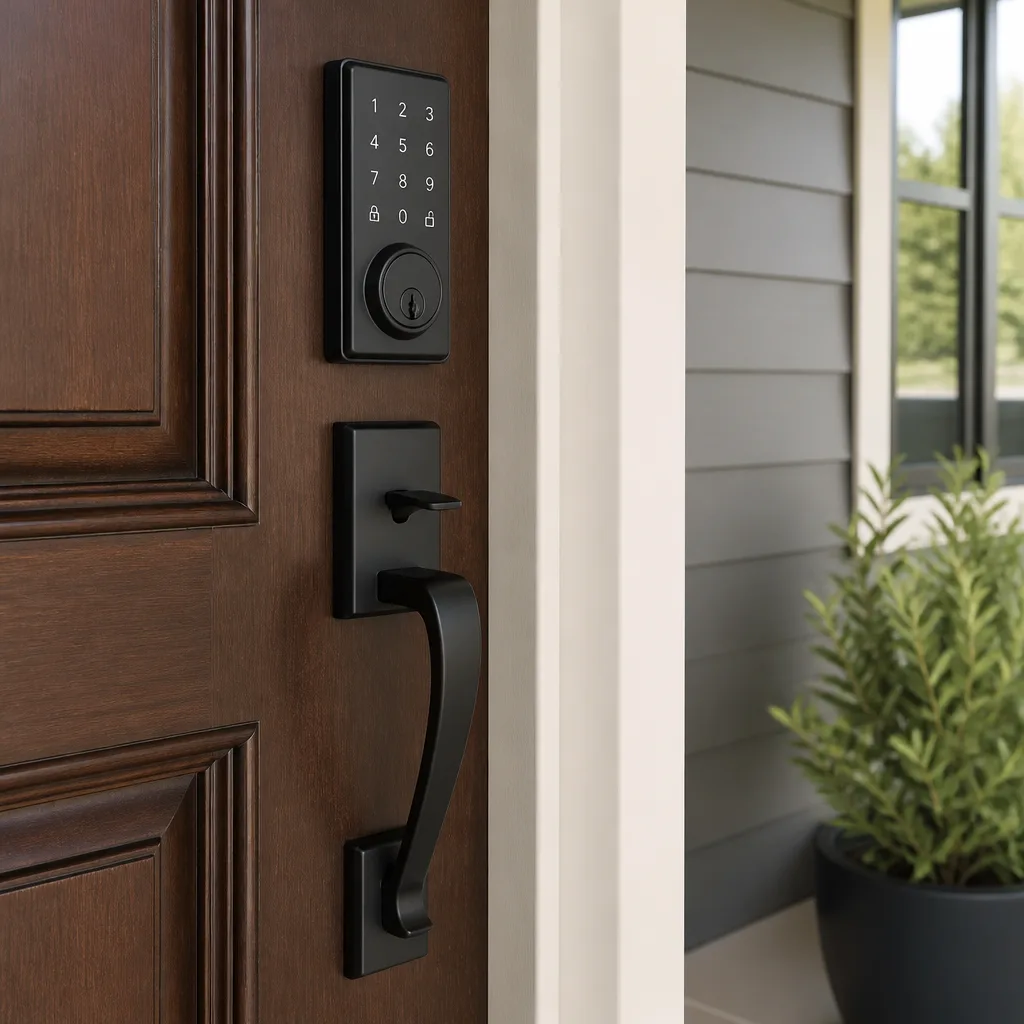 Smart locks
 House lockouts
 Re-keying
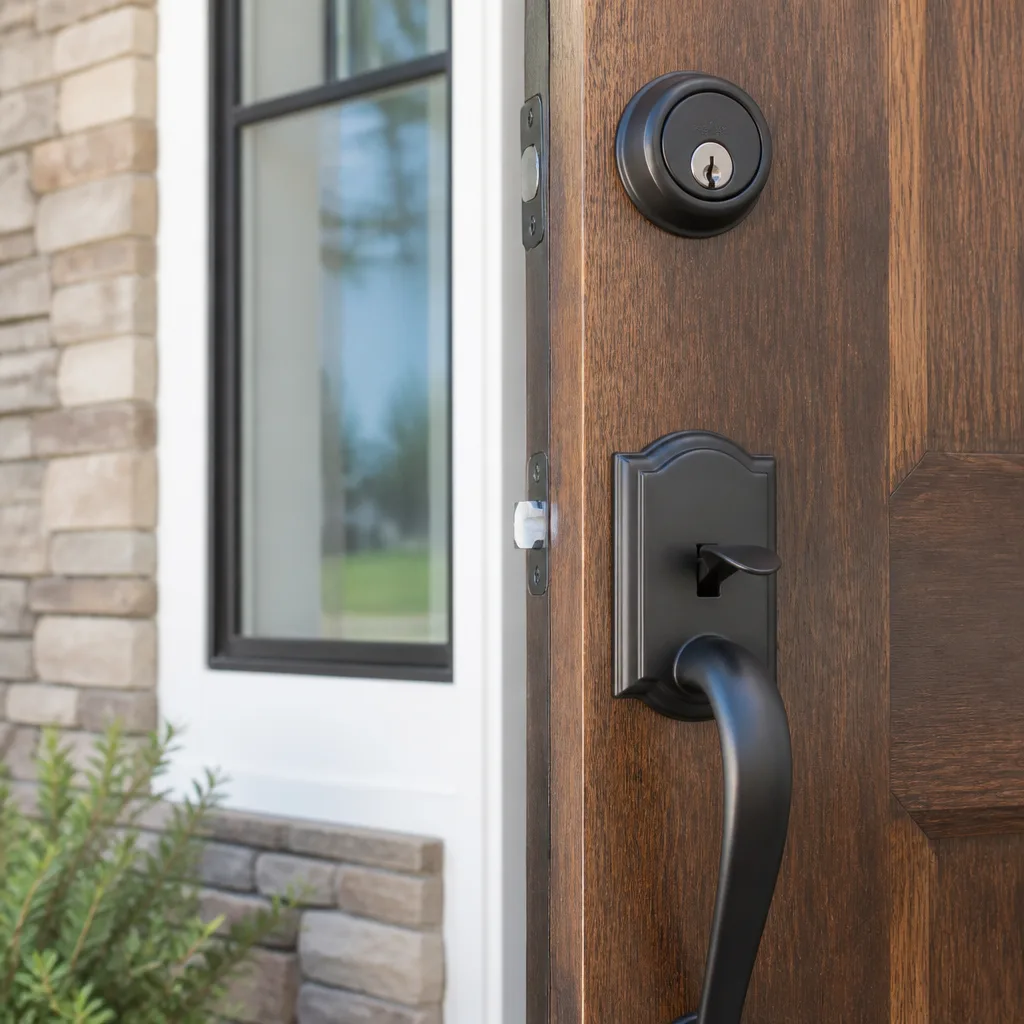 Deadbolt upgrades
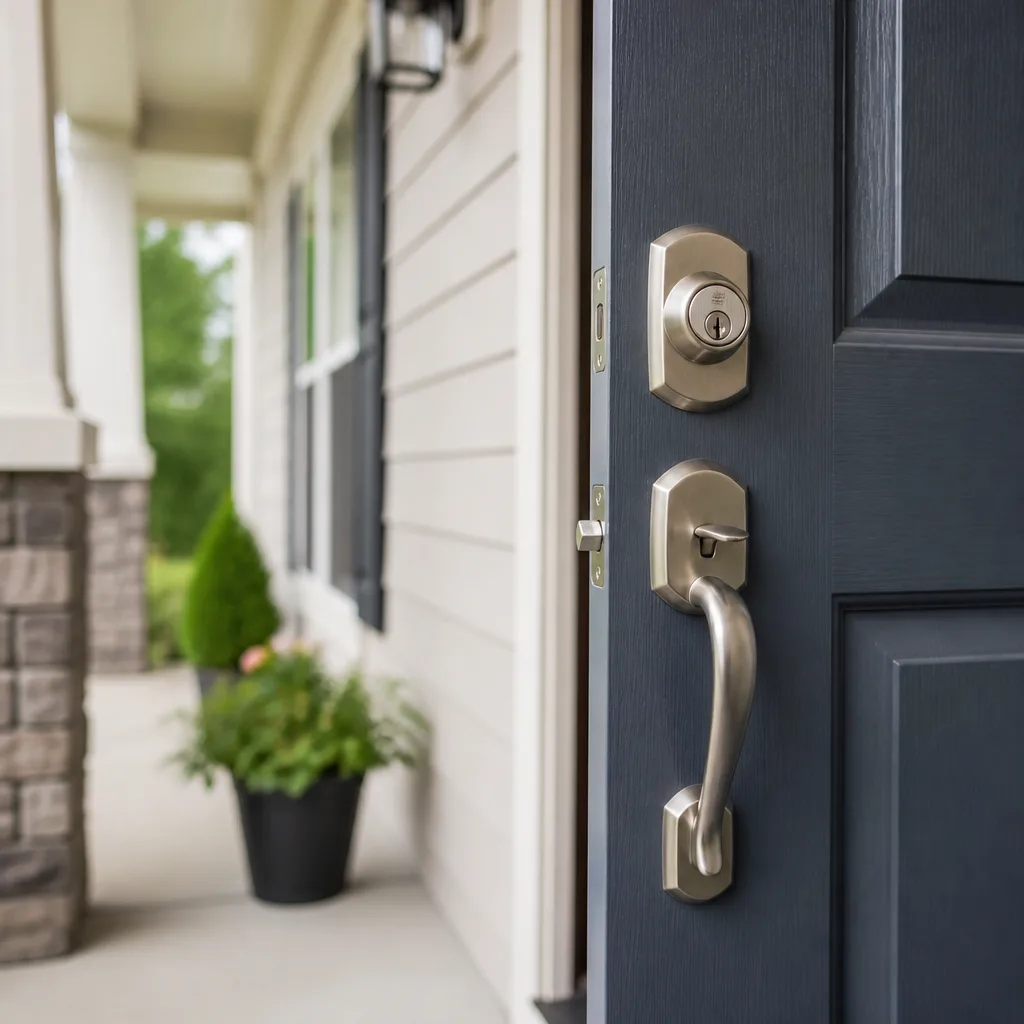
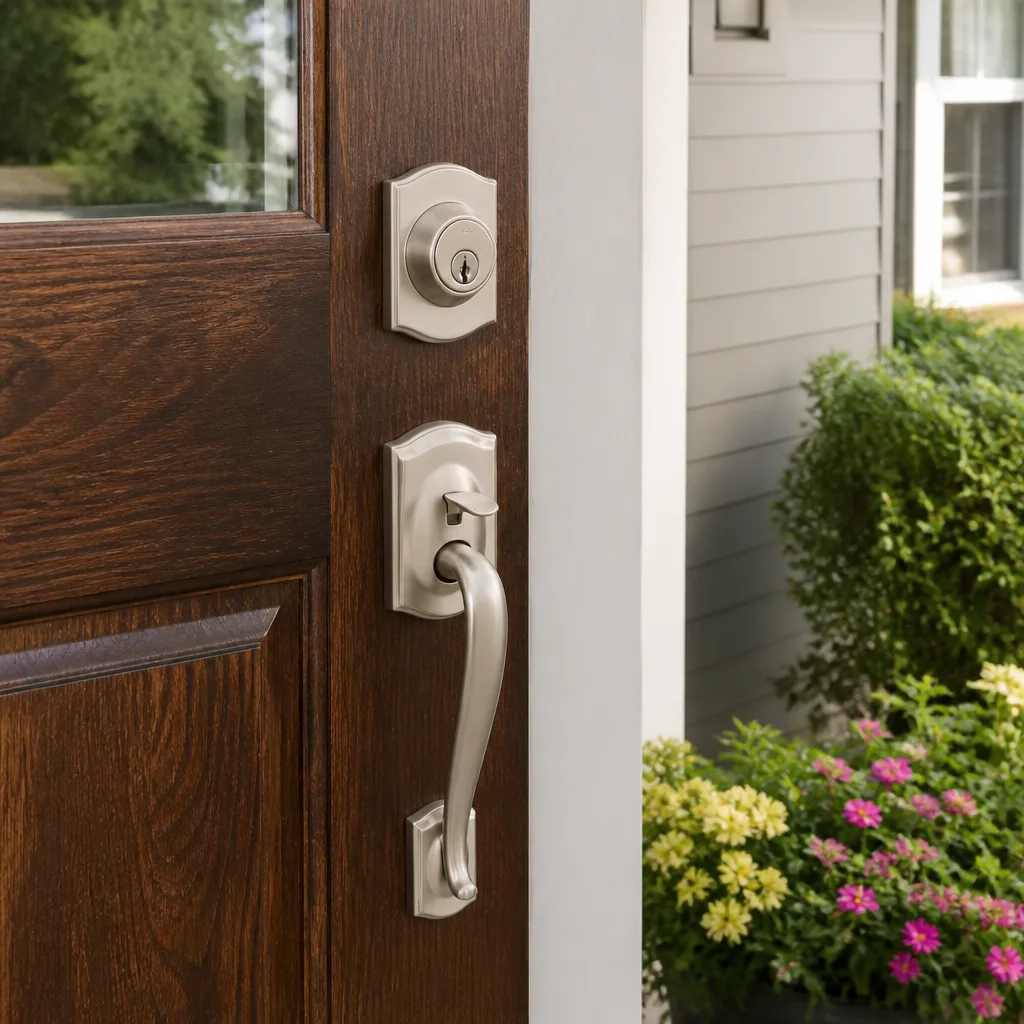 Schlage
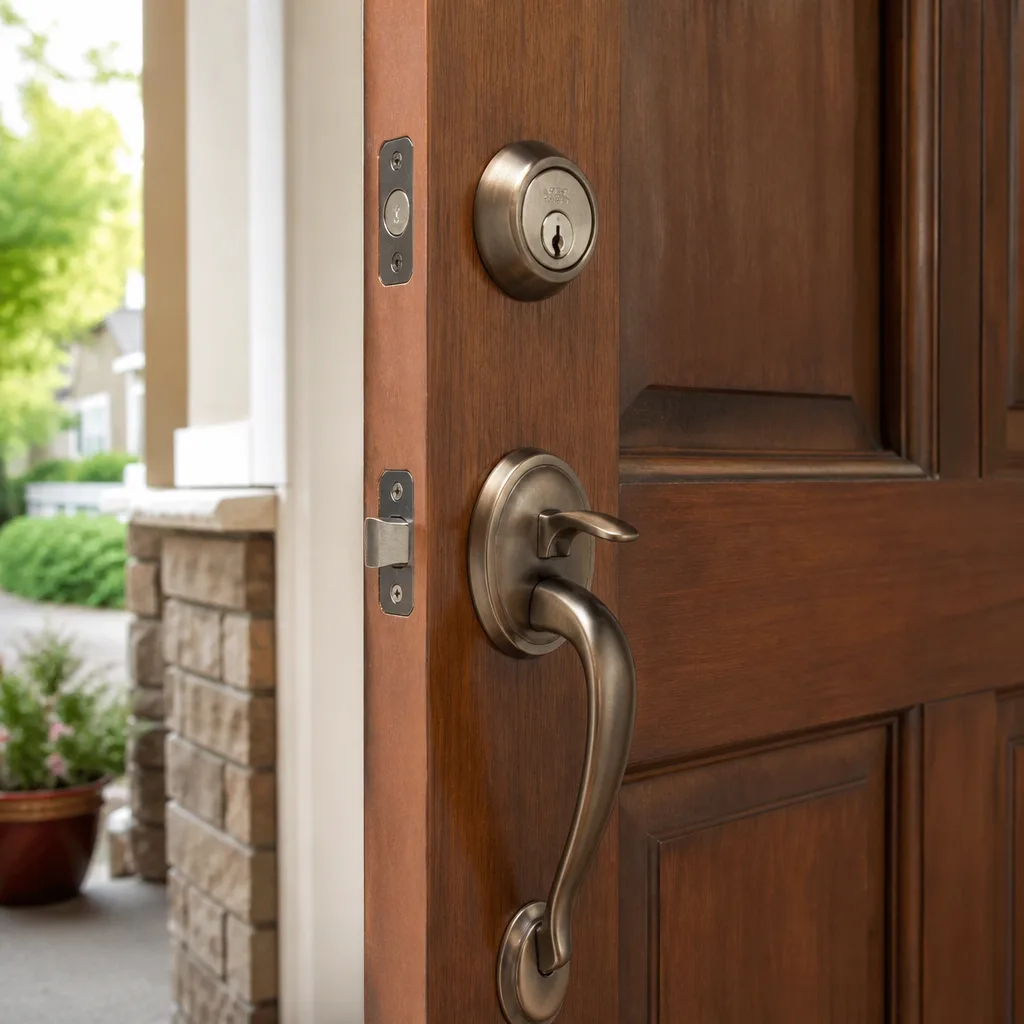
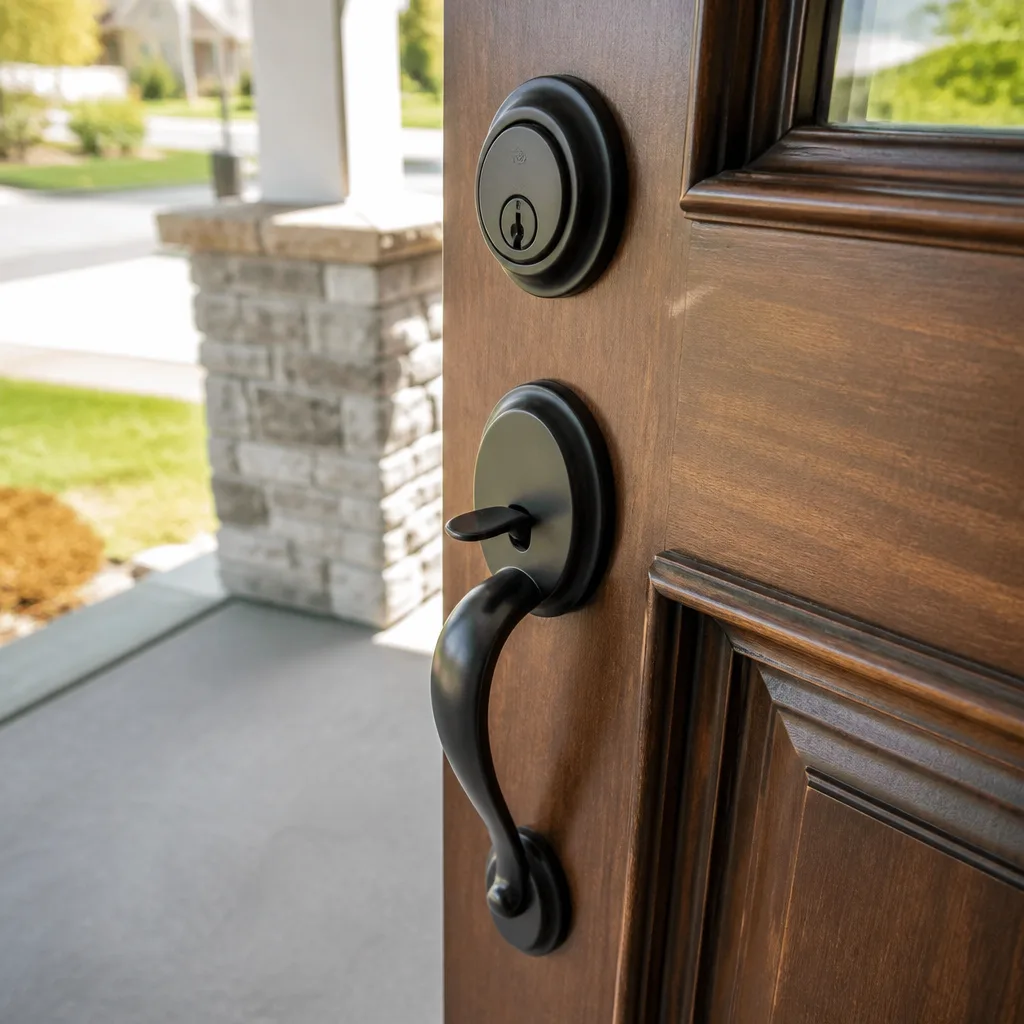 Kwikset
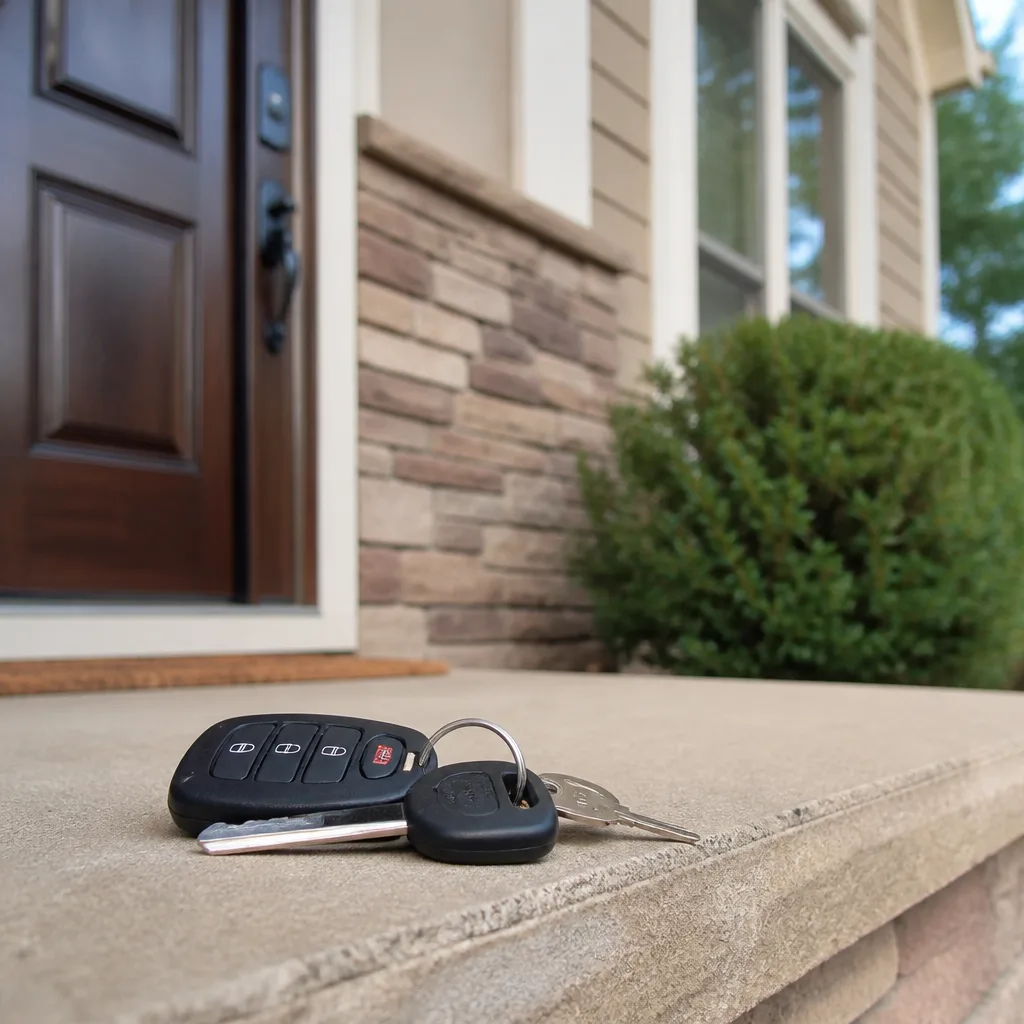 Car keys & fobs
Non-destructive entry first, always - and we re-key Schlage, Kwikset, and Baldwin locks on the spot while you watch
You get a price before we start. It does not change when we arrive. No surprises.
Get your free estimateLocksmith Emergency Preparedness Guide for Bellevue Homes
Most lockout calls don’t happen at noon on a Tuesday. They cluster between 10pm and 2am, when you’re tired, your keys are somewhere on the other side of a deadbolt, and every minute outside feels longer than it is. Break-in response calls spike on weekends, often Sundays, when homeowners return from trips to find a door jamb splintered or a window forced. Neither pattern is random. Both are moments when a clear plan, thought through in advance, measurably reduces cost, stress, and the chance of making a bad situation worse. This guide builds that plan for Bellevue homeowners, covering what to prepare now, what to do in the first ten minutes of a lock emergency, and how to know when a lock problem is bigger than a quick fix.
Quick Answer
A Bellevue homeowner’s lock emergency plan comes down to three documents you create before anything goes wrong: a locksmith contact you’ve already vetted, your insurance company’s emergency claims line, and a written inventory of every lock and key on your property. When an emergency hits – a lockout, a break-in, or a failed smart lock – you follow a short sequence: secure the immediate area if there’s damage, call your locksmith with your lock brand and model ready, and document everything for insurance before anyone touches the hardware. The homeowners who handle lock emergencies calmly are the ones who prepared that sequence in advance.
Styles & brands we work with
Table of Contents
- The Three Documents Every Bellevue Homeowner Should Have Before a Lock Emergency
- How to Handle a Break-In Before the Locksmith Arrives
- Smart Lock Failure Scenarios in Bellevue and How to Pre-Configure for Each
- The Value of Knowing Your Lock Brand and Model Before a Crisis
- Creating a Household Key Plan: Copies, Emergency Access, and Rekeying Triggers
- How Bellevue’s Climate and Housing Stock Affect Lock Performance
- What a Bellevue Lock Emergency Actually Costs
The Three Documents Every Bellevue Homeowner Should Have Before a Lock Emergency
We’ve seen the difference between a homeowner who fumbles through a lockout at midnight and one who handles it in twenty minutes. The difference is almost never skill. It’s preparation, and preparation in this case means three specific documents kept somewhere accessible, ideally both physically and on your phone.
First, a locksmith contact you’ve already evaluated. Not a name you’ll search for while standing in a parking lot with dead car keys. Not the first sponsored ad result. A locksmith you’ve called during business hours, asked about their service area, confirmed they work on your lock type, and saved in your contacts. When you’re locked out, the last thing you want to do is vet a stranger. If you drive, this contact should be someone who handles both residential and car key replacement, because a single locksmith who covers both eliminates the second call you didn’t know you’d need.
Second, your insurance company’s emergency claims line. Break-ins don’t wait for business hours, and the first call after 911 should be to your insurer, not to a contractor. Having that number in your phone, separate from your regular agent’s office line, saves you from navigating an automated phone tree while standing in your own damaged doorway. Bellevue homeowners with policies from major carriers should check whether their policy includes lock replacement coverage, because many do, and the claims adjuster will want specific documentation that we’ll cover below.
Third, a written lock inventory. Go through your Bellevue home and write down every exterior door, every deadbolt, every smart lock, every keypad, and every window lock. Note the brand and, if you can find it, the model or cylinder type. Note which keys open which doors. Note who has copies of which keys. A simple spreadsheet or even a notes-app list works. This document serves two masters: it makes insurance claims faster because you know exactly what was damaged or stolen, and it makes your locksmith faster because they arrive knowing whether they’re working with a standard Schlage deadbolt or a high-security cylinder that requires specialized tooling.
Keep all three documents in a shared family note or a paper folder in a known drawer. Update the key inventory whenever you rekey, replace hardware, or hand out a new key. In our experience, the lock inventory is the one homeowners consistently skip, and it’s the one that pays off fastest when something goes wrong.
How to Handle a Break-In Before the Locksmith Arrives
A break-in is not just a lock problem. It’s a crime scene, an insurance event, and an emotional shock all at once. The order of operations matters, and doing things out of order can compromise a police report or an insurance payout. Here is the sequence we recommend to Bellevue homeowners, based on what we’ve seen work and what we’ve seen go wrong.
- Do not enter the home if there’s any sign the intruder may still be inside. Back away from the house, get to a safe distance, and call 911 from your car or a neighbor’s home. An open door with no other sign of entry is still an open door. Let police clear the property.
- Once police have cleared the home, photograph everything before you touch anything. Photograph the damaged door or window from multiple angles. Photograph the interior rooms as they look when you first walk in. Photograph any items that appear moved or missing. These photos become the foundation of your insurance claim, and they cost you nothing but five minutes.
- Do not attempt to repair or “fix” anything yet. Do not push the door jamb back into place. Do not sweep up glass. Do not re-lock the door if the lock is broken. The claims adjuster and, if needed, the police investigator, need to see the scene as it was found. A broken door that’s been partially repaired tells a confusing story.
- Call your insurance emergency line. Report the break-in, get a claim number, and ask specifically what the policy covers for lock replacement, rekeying, and temporary security measures. Some Bellevue policies require a police report number before they’ll open a claim, so have that ready.
- Call your locksmith. Once you’ve documented the scene and spoken to your insurer, call your pre-vetted locksmith. Tell them: what was damaged, what lock brand and model are on the door, whether the door itself is damaged, and whether you need temporary security tonight. A good locksmith will ask those questions anyway, but having answers ready speeds up the whole process. In Bellevue, a break-in on a Sunday afternoon means you need service before nightfall, and the locksmith who arrives knowing your hardware is the one who fixes it in one visit.
The most common mistake we see is homeowners calling a locksmith before calling their insurer. The result is a locksmith who replaces or rekeys hardware, and then an adjuster who can’t verify what was actually damaged because it’s already been removed. That’s a claim delay you don’t need. Document first. Claim second. Repair third.
Smart Lock Failure Scenarios in Bellevue and How to Pre-Configure for Each
Smart locks fail in predictable ways, and Bellevue’s combination of older housing stock and newer tech adoption creates a specific set of failure modes. Here are the three scenarios we hear about most often, and what to configure now so you’re not standing on your porch with a dead keypad later.
Power outage. Bellevue gets wind storms that knock out power for hours or days, especially in neighborhoods with older tree-lined streets and above-ground lines. Most smart locks run on batteries, so a power outage alone won’t lock you out of your door. But the Wi-Fi network the lock depends on for remote access will go down. If you’re home and the lock’s keypad works on local battery, you’re fine. If you’re away and trying to grant remote access to a house sitter, you’re not. The fix: program a backup physical key for every smart lock, and know where that key lives. A smart lock without a physical key backup is a lockout waiting for the next windstorm.
Dead batteries. Every smart lock battery dies eventually, and the death often comes without warning or with a low-battery alert ignored for six weeks. When the battery dies completely, the keypad stops responding, and the app can’t reach the lock. The fix: set a calendar reminder to replace smart lock batteries every six to nine months, and tape a spare battery or a physical key in a location you’ll actually remember. If the keypad is completely dead and you have no backup, this is a Bellevue emergency locksmith call, and the locksmith will need to know whether it’s a deadbolt with a physical override or a keypad-only deadbolt that requires bypass methods.
Connectivity loss. Smart locks that rely on a bridge or hub can lose connection to the app even when the Wi-Fi is working normally. The symptom is usually a lock that works manually but can’t be controlled remotely, or an app that shows “offline” for no clear reason. The fix is usually a bridge reboot or re-pairing, but if you’ve configured your lock with a physical backup, you can ignore the connectivity problem until it’s convenient to fix it. If you haven’t, you’ve just discovered that your $250 smart lock is now a very expensive dumb lock you can’t open.
The through-line across all three scenarios: a physical key backup. Bellevue homeowners who keep one working mechanical key for every smart lock are never locked out by a battery, a storm, or a router reboot. Those who don’t learn the lesson the hard way, usually at night, usually in the rain.
The Value of Knowing Your Lock Brand and Model Before a Crisis
The lock brand on your door matters, and so does the locksmith who knows it. A Schlage deadbolt and a Medeco deadbolt are both called “deadbolts,” but the cylinder inside is a different world. A locksmith who arrives expecting a standard Kwikset and finds a high-security Mul-T-Lock has to pivot, and pivoting at midnight on a Bellevue doorstep is slower and more expensive than arriving prepared.
Here’s what knowing your hardware buys you when you call:
- Faster service. When you can say “it’s a Schlage Encode smart deadbolt” instead of “it’s, uh, one of the silver ones,” the locksmith knows whether they need smart-lock programming gear or just a rekeying kit.
- Accurate pricing. High-security cylinders like Medeco or Mul-T-Lock cost more to rekey or replace than standard consumer brands, and that’s because they require specialized pins and training. Knowing your brand ahead of time means the phone quote matches the invoice.
- Right parts on the right trip. A Yale smart lock needs different components than a Baldwin mortise lock. A locksmith who knows what they’re walking into carries the right parts and finishes the job in one visit instead of two.
- Smarter security recommendations. If you’re calling about rekeying after a tenant move-out, knowing whether you have grade 1 or grade 2 hardware changes the conversation. Some Bellevue homeowners discover they’ve been paying high-security prices for builder-grade locks, and others discover the opposite.
How do you find out your lock brand? Open the door and look at the face of the deadbolt. The brand name is stamped on most residential locks. If it’s not visible, look on the edge of the door for the latch plate. If you still can’t identify it, take a photo of the lock face and the keyway, and send it to your locksmith before they dispatch. A two-sentence text with a photo saves a thirty-minute round trip for a part that could have been on the truck.
From Kwikset to Medeco, we work with what you have. But we’d rather you tell us what you have before we’re standing in front of it.
Creating a Household Key Plan: Copies, Emergency Access, and Rekeying Triggers
Most Bellevue households don’t know how many keys exist to their own front door, and “I think my sister has one” is not a security plan. A household key plan is a simple document with three parts: who has keys, where emergency access lives, and what triggers a rekey.
Part one: who has keys. Write down every person who has a key to your home right now. Spouse, partner, kids with their own copies, parents, neighbors, housekeepers, dog walkers, contractors, landlords (if you rent), and anyone you handed a spare to during a trip or a renovation. The list is almost always longer than you think, and most homeowners are surprised to count ten or twelve keys to a home they think of as “secure.”
Part two: emergency access. Decide where emergency access lives. Options include a trusted neighbor within walking distance, a family member across town, or a lockbox with a code you change regularly. A key under the doormat or in a fake rock is not a plan, because every Bellevue burglar knows where to look for those. If you have a smart lock, your emergency access is the physical backup key, and it should live with a person or in a code-locked box, not under a planter.
Part three: rekeying triggers. A rekey is the cheapest security upgrade you can buy, and it’s almost always smarter than replacing hardware. Rekey Locks in Bellevue is a service that changes the internal pins so old keys stop working while the hardware stays in place. Here are the moments when a rekey should be automatic, not optional:
- After moving into a new home. You don’t know who the previous owner gave keys to. The listing agent, the staging company, the contractor, the neighbor who fed the cat. A rekey on day one is non-negotiable.
- After a divorce or relationship separation. Even amicable separations benefit from a clean key slate. It’s never about trust; it’s about certainty.
- After a tenant move-out. Bellevue landlords should rekey between every tenant, without exception. The cost is small compared to the liability of an old tenant’s key floating around.
- After a contractor or housekeeper with long-term access stops working for you. You don’t need to suspect wrongdoing to justify a rekey. You just need to eliminate the possibility.
- After a lost key. If a key with identifying information (like your address on a keychain) goes missing, rekey immediately. If it’s a nondescript key with no address, you still rekey, but with slightly less urgency.
Rekeying: the smartest security upgrade most people overlook. It costs a fraction of new hardware, takes less than an hour for most Bellevue homes, and resets your entire key ecosystem in one visit.
How Bellevue’s Climate and Housing Stock Affect Lock Performance
Bellevue’s climate is hard on locks in specific ways, and homeowners who don’t account for this end up with locks that fail at the worst possible moment. The city gets about 38 inches of rain a year, mostly between November and March, and the combination of moisture, mild temperatures, and older wooden doors creates a predictable pattern of lock problems.
Moisture and corrosion. Exterior locks on Bellevue homes face constant dampness for six months of the year. Standard consumer locks with exposed keyways collect moisture, which leads to internal corrosion and sticky, hard-to-turn cylinders. This is why some Bellevue homeowners notice their front door lock works fine in August and fights them in February. The fix isn’t WD-40, which actually attracts more grit over time. The fix is a dry graphite lubricant applied once a year, or better yet, a locksmith who can clean and lubricate the cylinder during a service call.
Wooden door expansion. Many Bellevue homes, especially in older neighborhoods, have solid wood doors that swell and contract with seasonal humidity. A deadbolt that aligned perfectly in dry August weather may scrape or bind in damp January, which means the door doesn’t latch properly or the deadbolt doesn’t fully extend. This is a door alignment issue, not a lock issue, but it often masquerades as a lock failure. A locksmith who services Bellevue homes regularly knows to check the strike plate and the door alignment before touching the lock itself.
Housing stock variety. Bellevue is a city of contrasts: mid-century ramblers with original hardware, 1990s subdivisions with builder-grade locks, and newer construction with smart home integration from day one. Each presents different lock challenges. A 1960s rambler may have a mortise lock that requires a locksmith with experience in older hardware, not just interchangeable cylinders. A 2020s home may have a smart lock tied to a security system that requires both a locksmith and a security integration specialist. Knowing which category your home falls into helps you pick the right professional before you need one.
Power outage frequency. We covered smart lock power outages above, but it’s worth restating: Bellevue’s wind storms and occasional ice events knock out power more often than most homeowners expect. A mechanical lock with a physical key is the simplest insurance against a storm-related lockout. Smart locks are convenient, but they should always exist alongside, not instead of, a keyed deadbolt on at least one entry door.
What a Bellevue Lock Emergency Actually Costs
Lock emergency pricing in Bellevue varies widely, and the spread between a fair price and an inflated one often comes down to whether you prepared in advance. Here’s what you should expect, based on the service you need.
- Emergency lockout (residential): $75 to $150 for a standard lockout during normal hours. Late-night or weekend calls add a premium, but the total should still be under $250 for a standard deadbolt or knob lock. High-security cylinders may cost more because the job requires more skill.
- Emergency lockout (automotive): $100 to $250 depending on the vehicle. Older cars with standard locks are on the low end. Newer cars with transponder keys or proximity fobs can run higher, especially if the car key replacement in Bellevue requires programming.
- Rekey after a break-in or move-in: $15 to $35 per lock for standard cylinders, plus a service call fee. A typical Bellevue home with three exterior doors rekeys for well under $200 all in. High-security brands like Medeco or Mul-T-Lock cost more per cylinder because the pins and labor are more specialized.
- Lock replacement after a break-in: $50 to $150 per lock for standard hardware, installed. If the door frame is damaged, expect additional carpentry work, which is often billed separately and may be covered by insurance.
- Smart lock troubleshooting: $75 to $150 for a service call that covers diagnosis and resolution of most battery, connectivity, and programming issues. If a new smart lock is needed, hardware costs range from $150 to $350 for quality units, installed.
Two pricing notes that matter. First, any locksmith you call should give you a full price on the phone before dispatching, and that price should match the invoice. If the person on the phone hedges or says “we’ll see when we get there,” that’s a red flag. Second, legitimate locksmiths in Bellevue don’t charge a surprise call-out fee that wasn’t disclosed upfront. The quote you get on the phone is the price you pay, and if it isn’t, you should say no. Call (855) 473-2502 for an exact quote before anyone is dispatched, and expect that quote to hold when the work is done.
Common Mistakes to Avoid
- Calling the first locksmith that appears in a panicked search. Sponsored listings are not endorsements. Bellevue homeowners who vet a locksmith in advance save themselves from bait-pricing and untrained operators. A thirty-minute phone call with a locksmith during business hours is the cheapest security investment you’ll ever make.
- Waiting until after a break-in to document what was damaged. Once a door is repaired or a lock is replaced, the insurance story gets muddy. Photograph first, repair second. Every time.
- Ignoring a smart lock’s low-battery warning for weeks. A dead keypad at 11pm after a dinner out is a lockout you could have prevented with a calendar reminder and a $6 battery. The warning exists for a reason.
- Using a hide-a-key under a rock or mat. Every intruder in Bellevue knows these spots. A trusted neighbor or a coded lockbox is access control. A fake rock is an invitation.
- Rekeying nothing after moving in. The previous owner’s keys, their family’s keys, and the listing agent’s keys are all still out there. A day-one rekey costs under $200 and eliminates every unknown key at once.
- Handing a key to a contractor without a plan for getting it back. Contractors lose keys, lend them to subs, and leave them in trucks. When the job is done, rekey or at minimum collect every copy you handed out. If you can’t account for them all, rekey.
- Assuming all locksmiths work on all lock types. A Medeco, Mul-T-Lock, or Abloy cylinder is not a Kwikset, and not every locksmith has the training or tooling for high-security work. If your Bellevue home has high-security hardware, confirm that your locksmith is fluent in that specific brand before you need them.
When to Call a Professional
Some lock problems are DIY-adjacent. A sticky deadbolt you can lubricate. A loose knob you can tighten. A smart lock battery you can replace. But several situations genuinely require a trained locksmith, and trying to fix them yourself usually makes the problem more expensive. Call a professional when: you’re locked out and every entry point is secured; your door was kicked in and the frame is damaged; a key broke off inside a cylinder; a high-security lock needs rekeying or repair; a smart lock stops responding to both the app and the keypad; or you’ve experienced a break-in and need new hardware plus a rekey on the same visit. In any of these, the cost of a professional is less than the cost of a botched fix. Belmont Lock & Key offers free estimates in Bellevue – call (855) 473-2502 and get a price before anyone is dispatched.
Frequently Asked Questions
If you’re locked out at night in Bellevue, first check every door and window for an unlocked entry point, then call a pre-vetted locksmith rather than searching for one from a parking lot. A residential lockout typically costs $75 to $150 during normal hours, with an after-hours premium that should keep the total under $250 for standard hardware. Call (855) 473-2502 for a phone quote before anyone is dispatched, and make sure that quote is the full price.
Most Bellevue locksmiths can reach most neighborhoods within 30 to 60 minutes for an emergency call, depending on time of day, weather, and how central your location is to their service area. The fastest way to get service is to call with your exact address, a description of the lock problem, and the lock brand if you know it, which lets the locksmith dispatch with the right tools and parts on the truck. For emergency locksmith service in Bellevue, call (855) 473-2502.
With a legitimate locksmith, yes. The price quoted on the phone should be the price on the invoice, with no surprise call-out fees, no “arrival surcharge,” and no inflated labor charges added after the fact. If a locksmith won’t give you a firm price over the phone or says they’ll “see when they get there,” end the call and try someone else. Estimates are free, and the good shops in Bellevue don’t play bait-and-switch pricing games.
Rekeying is usually the right call after a break-in if the lock hardware itself is undamaged and the break-in happened through an unlocked door or window. If the door was kicked in or the lock was drilled or pried, the hardware needs replacement, and that’s when you should also consider upgrading to higher-security hardware if you’re replacing anyway. Your insurance policy may cover either cost, so document the damage and speak with your adjuster before making the call. For rekeying in Bellevue, a full home typically costs under $200 for standard hardware.
The most common smart lock failure we see in Bellevue is a dead battery on a lock that has no physical key backup, which turns a convenience feature into a full lockout. Bellevue’s wet winters and wind storms also knock out Wi-Fi connectivity regularly, which disables remote access even when the battery is fine. Every smart lock should have a physical backup key stored with a trusted neighbor or in a coded lockbox, not under a mat or planter.
Start by asking the locksmith directly whether they’re certified or trained to work on the specific high-security brand on your door, because not every locksmith is. High-security cylinders require specialized pins, tools, and training, and a locksmith who works primarily on Kwikset and Schlage may not have what a Medeco or Abloy cylinder demands. Ask about the brand by name before you need service, not during an emergency. Belmont Lock & Key is equipped to service eight major lock brands, including Medeco, Mul-T-Lock, and Abloy, in addition to standard Schlage and Kwikset hardware.
The Bottom Line
A Bellevue lock emergency has a shape. It happens late at night or on a weekend. It involves a lockout, a break-in, or a smart lock that stopped listening. And it plays out better for homeowners who made three simple preparations: a vetted locksmith contact, an insurance emergency line, and a written lock inventory with brand and model for every entry point. If you take one action from this guide, make it the lock inventory. It’s thirty minutes of work that pays off in faster service, accurate pricing, and cleaner insurance claims. If you haven’t yet found a locksmith you trust, call (855) 473-2502, ask about pricing for a standard lockout and a rekey, and save the number. Whether you’re locked out or locking down, the plan is the same: know your hardware, know your numbers, and act in the right order.
Written by the team at Belmont Lock & Key, serving Bellevue since 2013.